
Pristine Guyana
— Small country, giant wildlife
Highlights
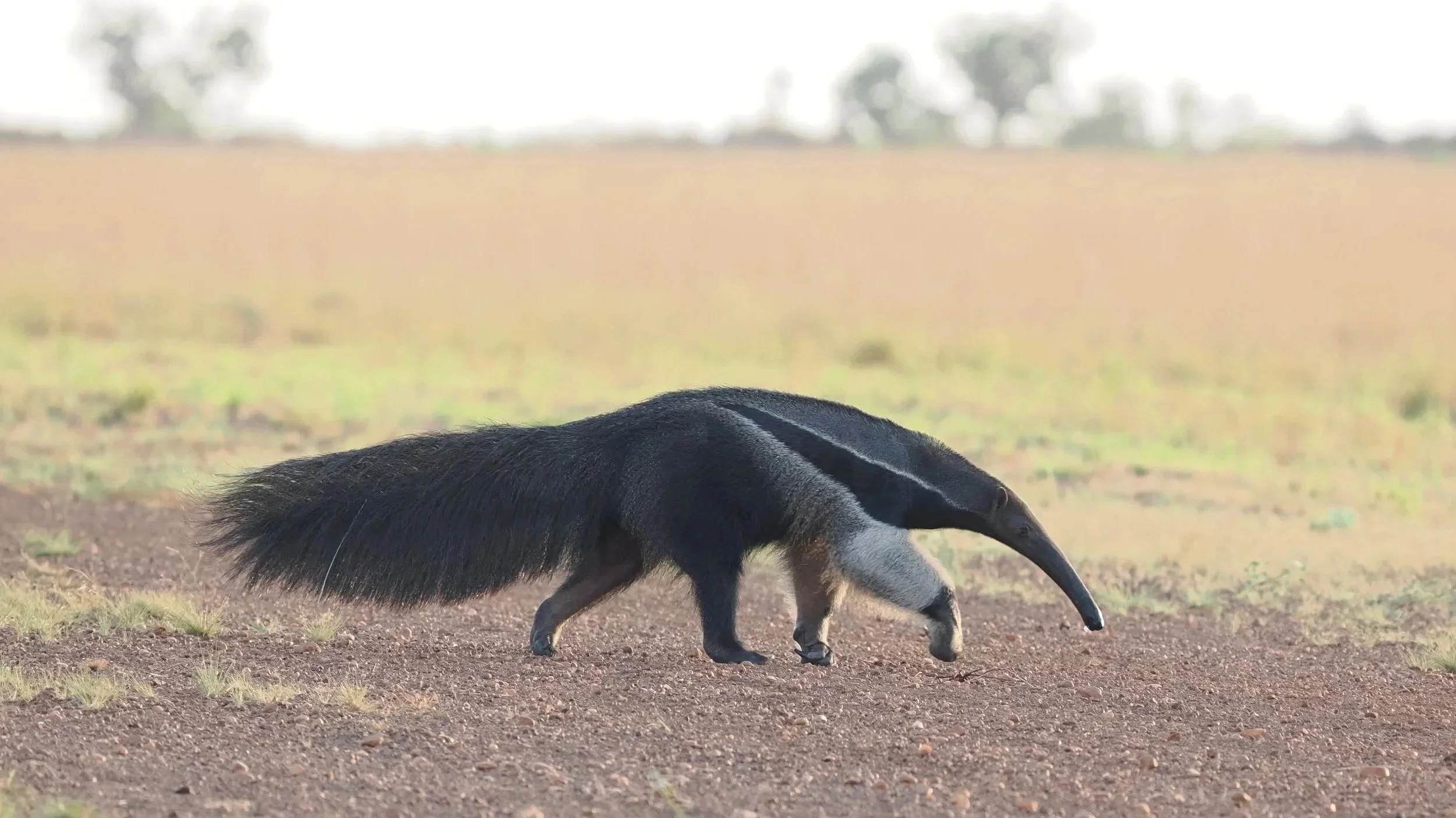
Heading out in search of Giant Anteaters and Giant River Otters
The spectacular Kaieteur falls, the world’s tallest single drop falls
Paddle the tranquil oxbow lakes to witness the stunning Amazonian Water Lillies blooming (the world’s largest lily)
Be enthralled when partaking in Black Caiman research
Search for the remarkable Goliath Bird-eating Spider
Notch up over 300 species of bird including a Guinian Cock-of-the-rock, Scarlet Ibis, Hoatzin and a plethora of Guianan Shield endemics
Enjoy up to six species of primate including Guianan Howler Monkeys and White-faced Saki’s
Immerse yourself in the Rupununi Ameridian way of life
Three guides: expert husband & wife team, Rachael & Dan Brown plus a local guide at each site
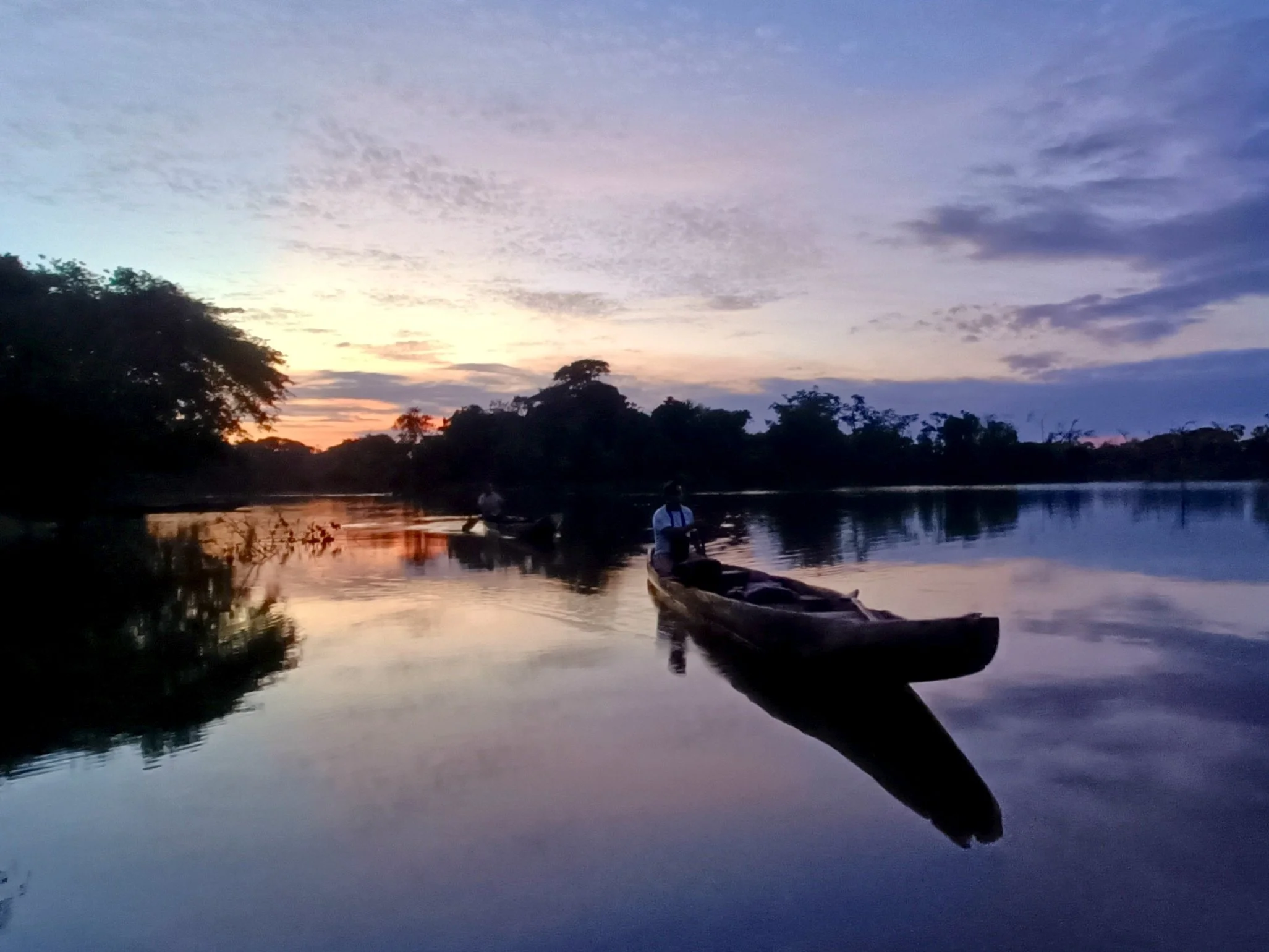
A dawn paddle through the Ox-bow lakes is always rewarding
Jump to…
Overview
Giant River Otter, Giant Anteater, Giant Armadillo, Goliath Bird-eating Spider, Gladiator Tree Frog, Arapaima, Black Caiman, Harpy Eagle all rank as the largest of their kind on the planet. For a country the size of the UK, its packs a massive punch when it comes to its wildlife.
Over 80 percent of this nation is forest and the central Rupununi region rivals the Pantanal in its mosaic of waterways and charismatic wildlife. It is a jewel in South America’s natural history and a place worthy of exploration. This tour has a massive sense of adventure as we traverse huge, unbroken expanses of forest by air, wend our way through the myriad waterways, paddle in dugout canoes through lily ponds, stand atop of epic waterfalls and stay in lodges and ranches beyond the back of beyond.
This English-speaking nation is a paradise for naturalists with an immense wealth of biodiversity. Over 800 species of bird, 225 mammals and over 800 reptiles and amphibians have been recorded with many considered Guiana Shield endemics. The country is also home to several indigenous tribes and we will meet with the Makushi and Wapashani people who run several of the Amerindian community lodges that we stay in. We will benefit from their expert knowledge as they guide us along forest trails, regale tales of encountering Jaguars and enlighten us on the uses of forest plants. This tour is like none other and offers the most immersive experience of Guyana available. Prepare to be awed by the small country and its giant wildlife!
With both Rachael & Dan as leaders, in addition to a local guide, you get the best leader to guest ratio around and triple the knowledge.
Itinerary
Day 1:
Arrive at Cheddi Jagan International Airport and transfer to our accommodation for the night at El Dorado Hotel, Georgetown.
Day 2:
We will start our day by visiting Georgetown’s Botanical Garden, a city park teaming with life. Amongst the waterways and mature trees we should encounter Snail Kite, Bat Falcon, Zone-tailed Hawk, Limpkins plus a variety of herons, Black-capped Donacobius, Lineated and Crimson-crested and the local endemic Blood-coloured Woodpeckers, Yellow-chinned Spinetail, Turquoise Tanager, Cinnamon Attila, Pied Water-Tyrant, Mouse-coloured Tyrannulet. Orange-winged and Festive Amazon are both possible as are Red-shouldered Macaws and Brown-throated Parakeet. The botanic garden also holds Squirrel Monkeys and Brown Capuchins and if we are lucky we may even find our first Spectacled Caimans. After breakfast we will visit the National park, another urban park where a number of West Indian Manatees can be found in one of the ponds.
After a bird-filled start to the day we will take a charter flight to Kaieteur Falls. This spectacular site is home to the world’s tallest single-drop waterfall on the planet where the Potaro River plunges 226 metres to the valley base beneath. We will fly into the small airstrip close to the falls in a bizarre forestscape dominated by giant tank plants (Bromeliads) which in themselves support a unique ecosystem which includes the endemic Golden Rocket Frog. The falls themselves are home to White-collered Swifts which breed behind the cascade whilst Cliff Flycatchers hawk from the cliff top and Coraya Wrens call from the undergrowth. With luck we will also have our first encounter with the enigmatic Guiana Cock-of-the-Rock.
We will then continue our flight deep into the Rupununi where we will land at Fair View Airstrip and transfer the short distance to our base for three nights at Iwokrama Lodge.
Days 3-4:
This fabulous Iwokrama River Lodge is situated on the banks of the Rupununi in the Iwokrama Protected Forest, a one-million-hectare pristine rainforest. Established in 1996 the Iwokrama International Centre for Rainforest Conservation and Development was established as a community project and continues to this day as an exemplary site ensuring local economic and social benefits from forest use and conservation as well as research and tourism. We will be based at the community-run lodge.
From your balcony watch Black Caiman, Pied Lapwings, Scarlet Macaws, White-throated Toucan and Guyanan Toucanets. In the forest we will look for the enigmatic Capuchinbird, Red-rumped Agouti, feeding flocks associated with ant swarms, yet more macaws including Blue and Yellow, and Red and Green, Red Fan Parrot and a plethora of reptiles and amphibians whilst being continually dazzled by butterflies including the electric blue Morpho’s and myriad Heliconius. The incredible White-faced Saki can also be found around the lodge.
After navigating the Rupununi we will ascend Turtle Mountain to take in the views, search for primates including Black Spider and Guianan Red Howler Monkeys and birds such as Golden-headed Manakin and Orange-breasted Falcon.
Our nocturnal activities will include a boat trip searching for Tree Boa’s, Black and Spectacled Caiman, Ladder-tailed Nightjar and amphibians whilst on land we will explore the forest at dusk where we hope to hear Marbled Wood-Quail as well as Rufous and Long-tailed Potoo. There is even the chance of Tapir or Jaguar in this area. We will also visit the rapids during the day where herons, egrets and Osprey wait for fish.
Day 5:
After a pre-breakfast walk at Iwokrama we will transfer though Iwokrama Rainforest to the Atta Rainforest Lodge and the Iwokrama Canopy Walkway. After settling into our new surroundings in this intimate forest clearing we will explore the nearby forest and the canopy walkway.
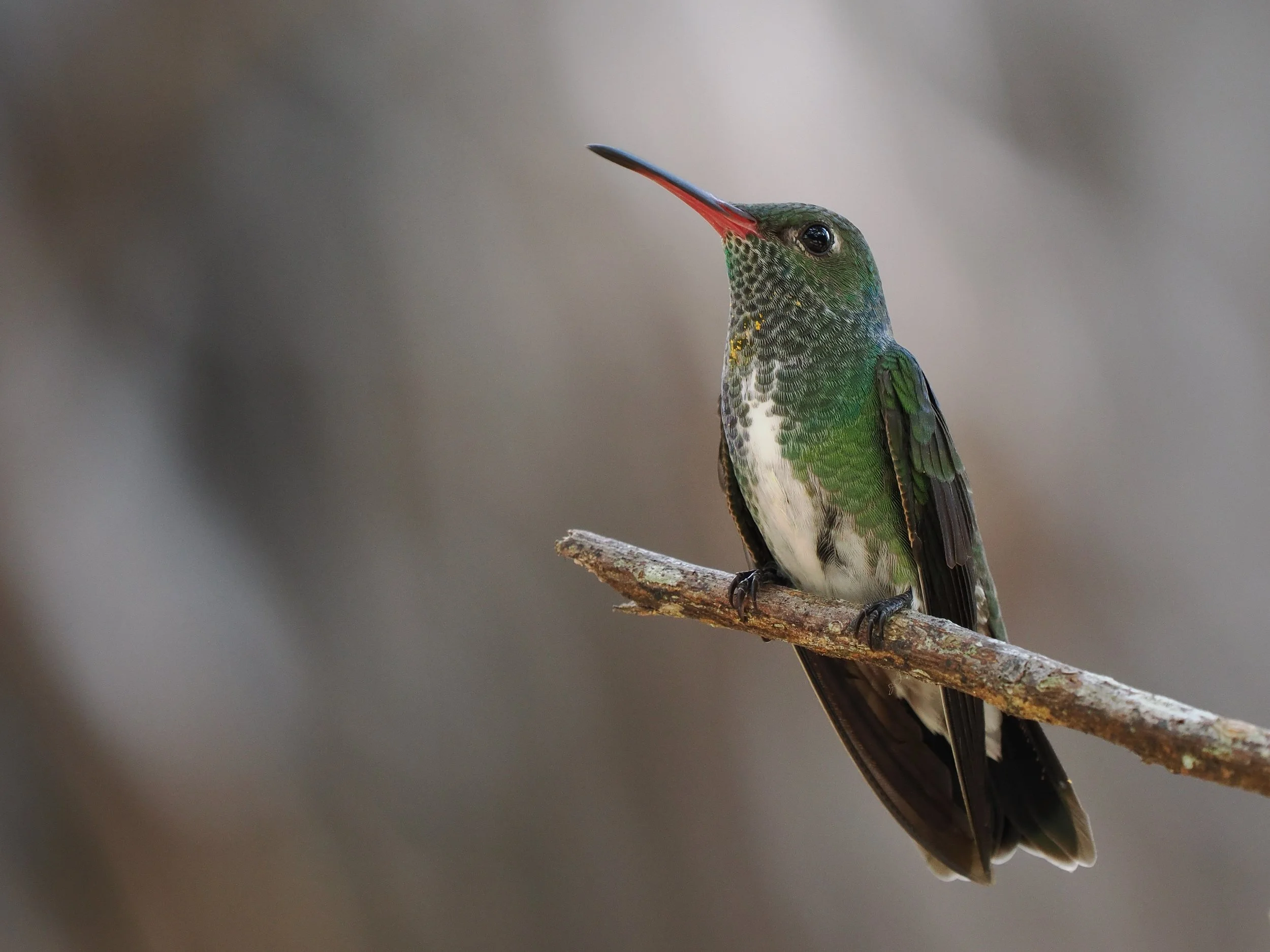
Even in the immediate vicinity of the lodge we should encounter the striking Black Curassow which roam the lawns in family gangs. The trees around the lodge often hold King Vultures in amongst the Blacks whilst White-throated and Channel-billed Toucans often announce their presence. A walk through the beautiful forest leads us to the canopy walkway elevated to 30m above ground level and affording a unique experience as we watch the activity in and over the canopy. Black-eared Fairy’s and Rufous-throated Sapphires (hummingbirds) buzz from flower to flower, Caica Parrots whizz overhead and both Guianan Red Howler and Black Spider Monkeys can be seen. The viewing platforms also offer a good chance to see species such as Pompadour and Purple-breasted Cotinga and Crimson Fruitcrow. As well as visiting the canopy walkway late-afternoon and to dusk we will also undertake a dawn visit to experience the forest waking up to a cacophony of calls and songs.
Around the lodge the trails offer plenty of great wildlife watching where Agouti and deer are regular and we will search for species such as Guianan puffbird, Guianan Toucanet, Green Aracari, Waved and Golden-collared Woodpeckers. After dusk our attention will turn to such rarities as White-winged Potoo and Spectacled Owl, as well as Blackish Nightjar and Short-tailed Nighthawk all of which occur nearby.
Day 6:
Our day will start with a dawn visit to the canopy tower and walkways where once again we can hope to encounter a plethora of species not to mention the cacophony of songs and calls emanating from the canopy. We will return to the lodge for breakfast and to pack our belongings.
On leaving Atta we will transfer to the Rupununi via a Guianan Cock-of-the-Rock lek. Yet another opportunity to see this outrageously striking bird up close. Once at the Kwatamang landing on the Rupununi we will board our boats for a transfer 45 miles downstream to Rewa Eco-lodge. This section of the river can be excellent for Giant River Otter and we also expect to find Black Caiman too.
Days 7-8:
The Amerindian village of Rewa is situated in the heart of the Rupununi at the confluence of the Rupununi and Rewa rivers, the lodge beautifully situated overlooking the latter. From this idyllic base we will explore the waterways for Giant River Otters, Spectacled Caiman, Sunbittern and Sun Grebe. As we navigate the rivers we should also encounter Yellow-billed and River Terns together with Black Skimmers and reptiles such as Yellow-faced Turtle, Black and Spectacled Caiman, and there is even the possibility of Green Anaconda here.
One morning we will take a boat to the base of the Arwarmie Mountain which we will then ascend to the ridge line to take in the spectacular views of the unbroken rainforest. Remarkably these mountain ranges are some of the oldest on the planet estimated at two thousand million years. As well as offering an incredible vista the ridge is an excellent place to see Red-and-Green, and Scarlet Macaws, White Bellbird, a plethora of raptors including four species of vulture, Ornate Hawk Eagle and Zone-tailed Hawk, Black Spider Monkeys can often been seen foraging in the canopy and as we ascend we will be looking out for Golden-headed and White-throated Manakins.
We will also make a specific outing to try and find Goliath Bird-eating Spider the largest spider on the planet. These spiders can have a leg span of up to 28cm (11in), a body length of up to 11.9cm (4.7in) and can weigh up to 175g (6.2oz). We may also see Guyanan Red Howler, Squirrel and Black-bearded Saki Monkeys and Orange footed Tamarins can also be found in the riparian forest. During the afternoon we will visit an oxbow home to the impressive Amazonian Water Lily (Victoria amazonica) not to mention the worlds largest freshwater fish, the Arapaima. The lily is Guyana’s national flower and with leaves up to 3m across it is a true giant! With luck we may even witness one of the flowers unfolding, the whole process taking around 30 minutes.
Day 9:
After a brilliant three days we will transfer back upstream to Kwatamang landing before taking an overland journey stopping at Pakaraima Mountain Lodge for lunch. In the afternoon we will once again board our transfer boats, this time at Genip Landing for a journey to Karanambu.
Days 10-11:
This lovely lodge sits just off the Rupununi at the confluence of gallery forest and savannah. Here the savannahs stretch for miles and offer us a very different wildlife experience. Karanambu Lodge is the home to the Mcturk family of Diane Mcturk fame, and it has a century of history associated with wildlife protection as well as making for a very comfortable base to explore waterways, woodland and savannah for a wealth of wildlife. And the list is a mouth-watering one. Giant Anteaters roam the savannah whilst Giant River Otters inhabit the rivers. Five species of kingfisher can be found on and around the oxbows that harbour an impressive number of giant Amazonian Water Lillies. The shadows are also home to the very impressive Agami Heron, and the diminutive Zigzag Heron is also possible amongst the 15 of so species of heron that occur around Karanambu. Savannah and White-tailed Hawks can be found in the grasslands together with a variety of open habitat species such as Double-striped Thick-knee, Bi-coloured Wren, Bearded Tachuri, Vermillion and Fork-tailed Flycatcher, Northern Crested Caracara and at dusk as many as seven species of Nightjar can be found including Nacunda. In the woodlands we may encounter Ferruginous Pygmy Owl, Violaceous Trogon, a plethora of woodpeckers, woodcreepers and antshrikes. By night we will also look for the impressive Venezuelen Suntiger or the recently described Brazilian Redhead Tarantulas.
The lodge itself is a brilliant place for stargazing whilst sipping a rum-punch, and the team do still take in orphaned animals for rehabilitation so don’t be surprised if there is something unusual running around.
Day 12:
We will transfer upstream from Karanambu to the Amerindian village of Yupukari village where Caiman House Field Station is situated on the way looking out for Giant River Otters, Capybara and Black Caiman. After settling in we will hear about the freshwater turtle and caiman projects being undertaken here, get a feel for village life and prepare ourselves to head out after dark to partake in the Black Caiman monitoring project. With luck we will succeed in capturing one (which can reach more than four metres in length) and watch the team measure, weigh and tag the Caiman before releasing it. We will also be looking out for Capybara and Short-tailed Nighthawks.
Day 13:
Our morning will start with a dawn paddle through the adjacent oxbow lakes in a traditional wooden dugout canoe. It’s a perfect way to explore these tranquil waterways and we should find as many as 60 species from Sungrebe and Band-tailed Nighthawk to Great Black Hawk and Crimson-crested Woodpecker and a plethora of flycatchers and allies that hawk from the boughs. Brown Capuchin Monkeys are likely together with Black and Spectacled Caimans.
After returning to Caiman House for breakfast we will transfer to Lethem for a flight to Georgetown in the afternoon.
Day 14:
An early start this morning will see us taking a boat trip out on the Mahaica river to see Guyana’s national bird the Hoatzin, which is found in abundance along this river system. The pheasant sized Hoatzin is herbivorous, eating leaves and fruit, and has an unusual digestive system with an enlarged crop which functions as a rumen. It also produces a horrible smell to scare away potential predators and hence its other name, the stink bird!
Our final full day will end with a boat trip on the Demerara River that flows out past Georgetown. The boat will navigate the tidal mangroves where we will find Rufous Crab Hawk and potential Crab-eating Racoon, waders such as Solitary, Spotted and White-rumped Sandpiper, Magnificent Frigatebird and Laughing Gull, Snowy, Cattle and Great Egrets but the highlight will be finishing off alongside a huge roost of herons and ibis which includes the neon Scarlet Ibis.
Day 15:
Our final morning will see us return to Georgetown Botanic Garden to see if we can pick up any new species and enjoy some very leisurely city park birding. Following breakfast back at the hotel we will transfer to Cheddi Jagan International Airport where the tour concludes.
The itinerary outlined is indicative and Wild Discovery reserves the right to alter the itinerary if conditions require.
Who we Support on this Tour
The South Rupununi Conservation Society
Trees for Life
Dates and Prices
| Set Departure Dates | Cost | Availability |
| Sat 8th to Sun 23rd January 2028 | £TBC* | Spaces available |
* Single room supplement £TBC applies.
Custom Tour
Why not recreate this experience with friends on dates that suit you? Build on our existing itinerary to customise your experience.
What’s included?
Expert services of a Wild Discovery leader and a local guide
Accommodation
All meals (B, L, D)
Soft drinks, tea, coffee
All transport from start to end location
All activities and excursions
Gratuities to external service providers
Support to our conservation partners
A native tree planted on your behalf in our woodland grove
What’s not included?
Travel before or after tour start/end
Trip cancellation Insurance or any other travel insurance
Visas
Alcoholic beverages
Other items of a personal nature, e.g. laundry, souvenirs, etc.
For full details of our Booking Conditions click here and complete the online booking form.
Gallery
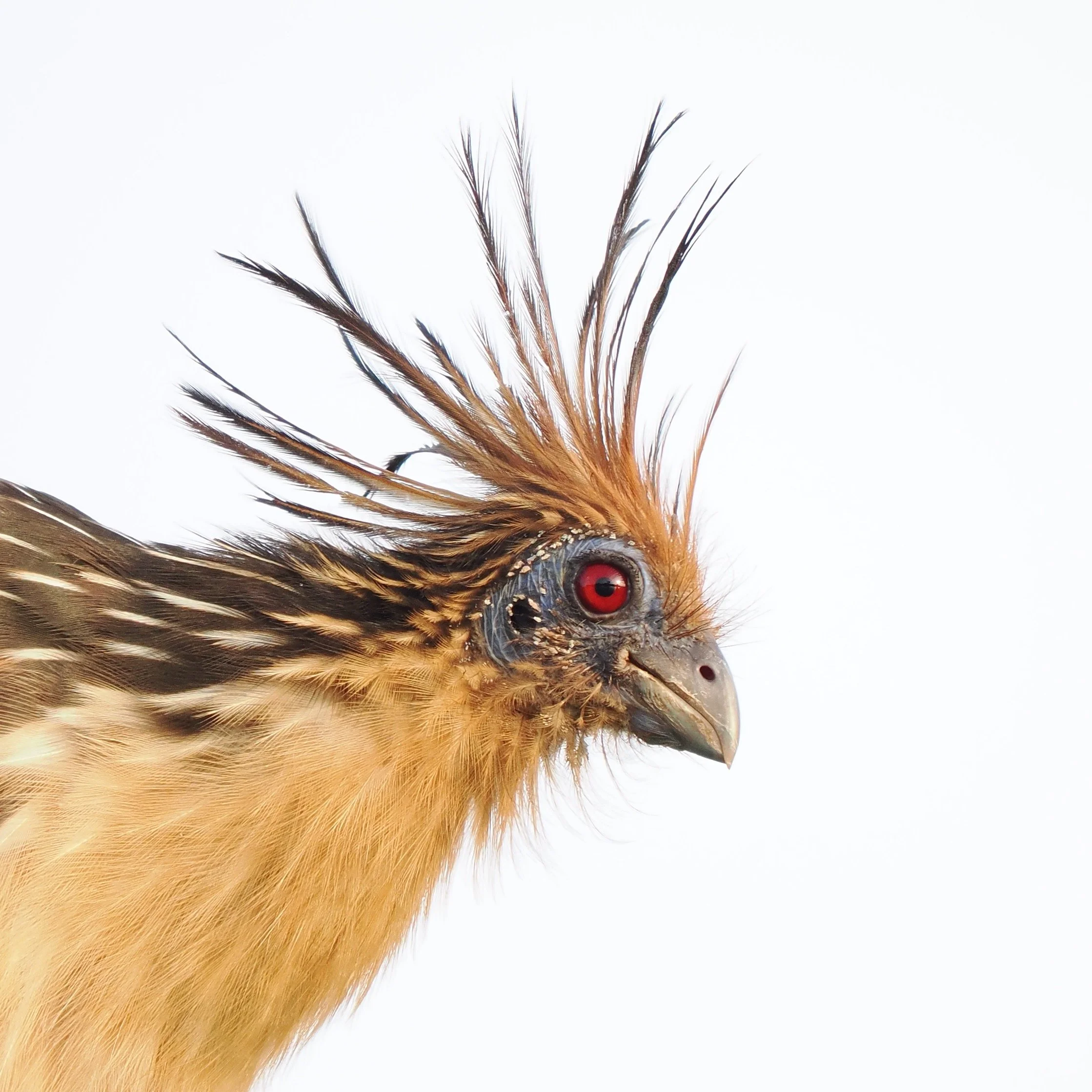
Hoatzin, the national bird of Guyana
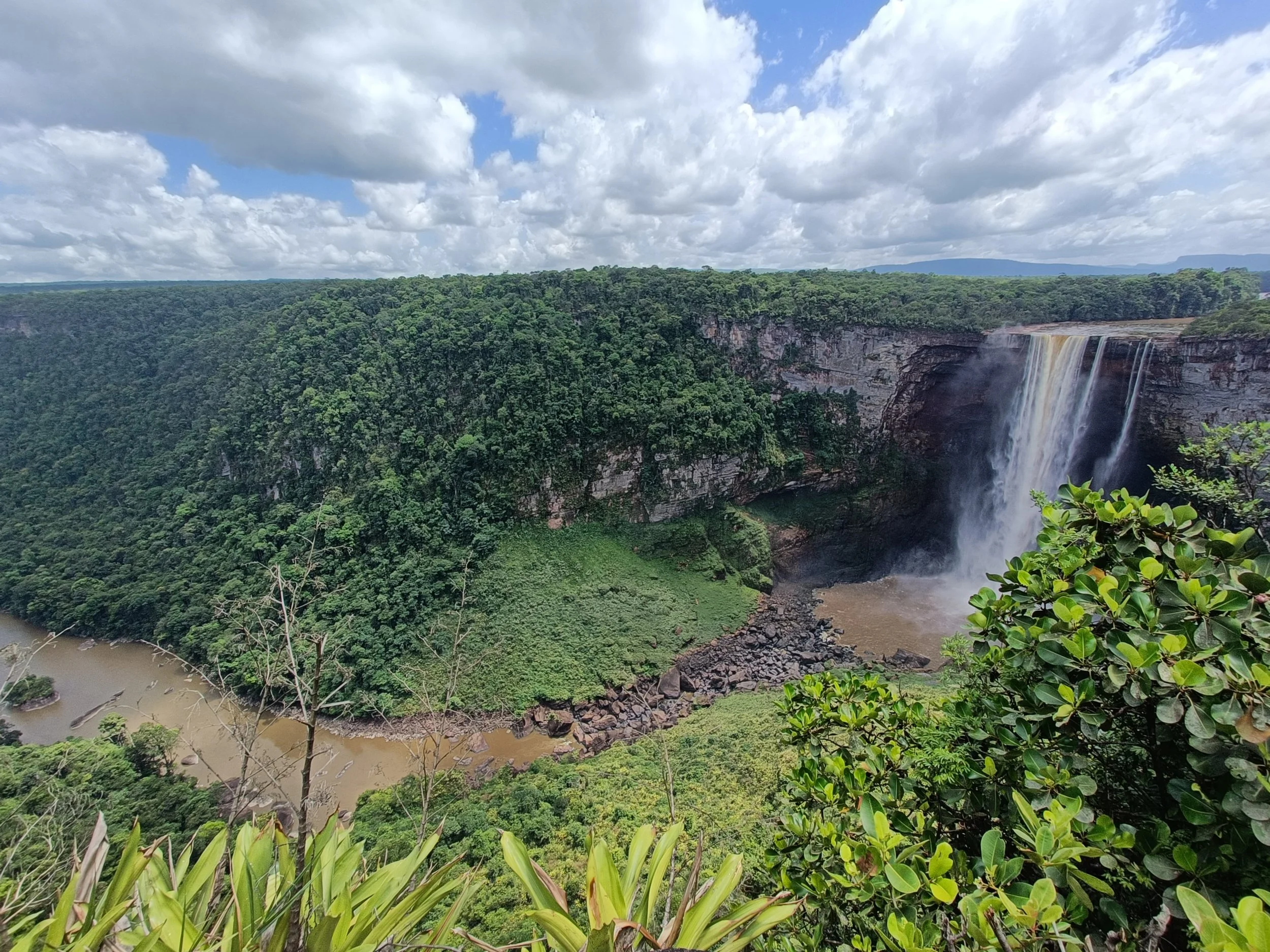
Kaieteur Falls - the highest single drop falls on the planet
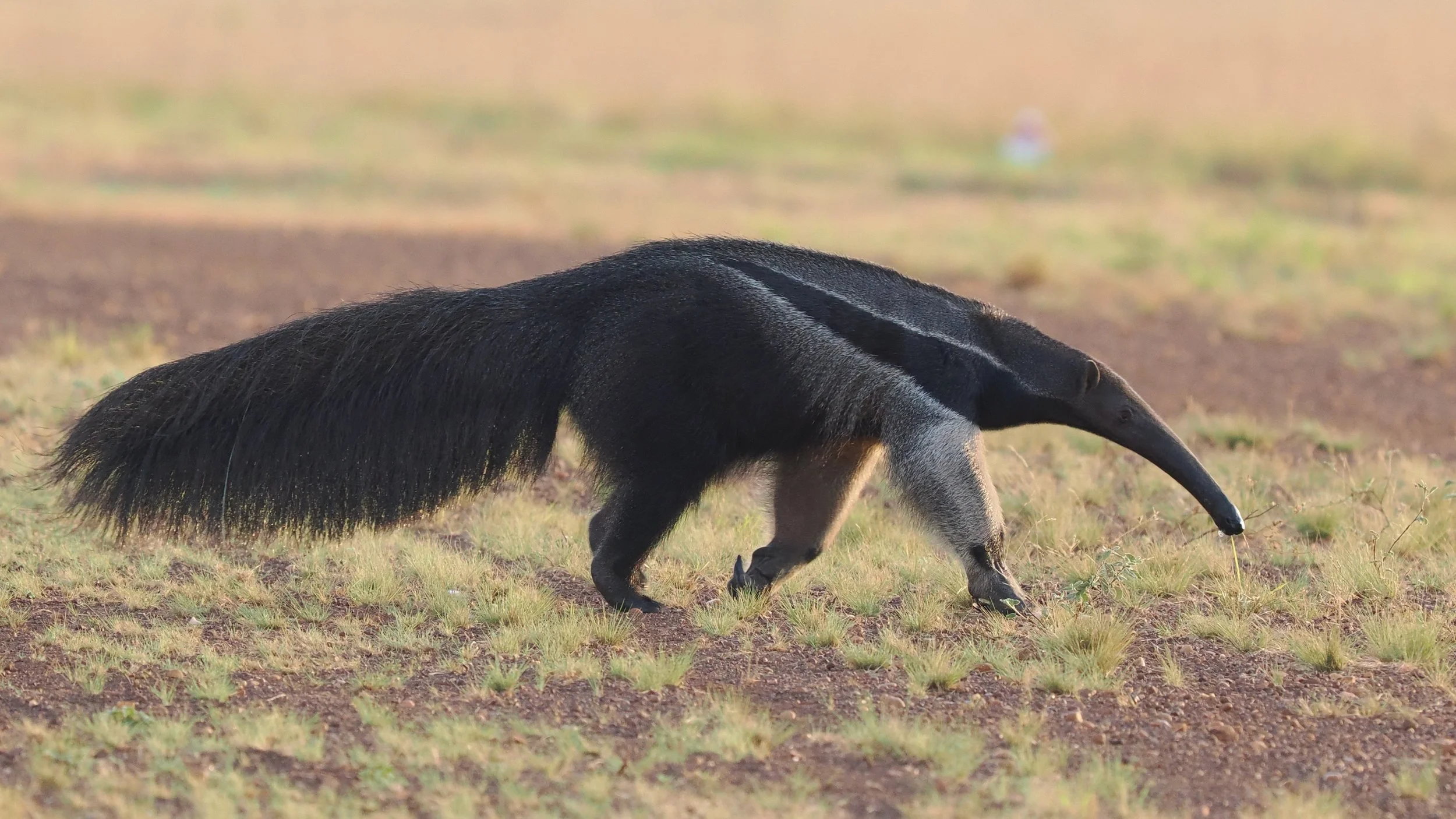
Giant Armadillo, a target at Karanambu
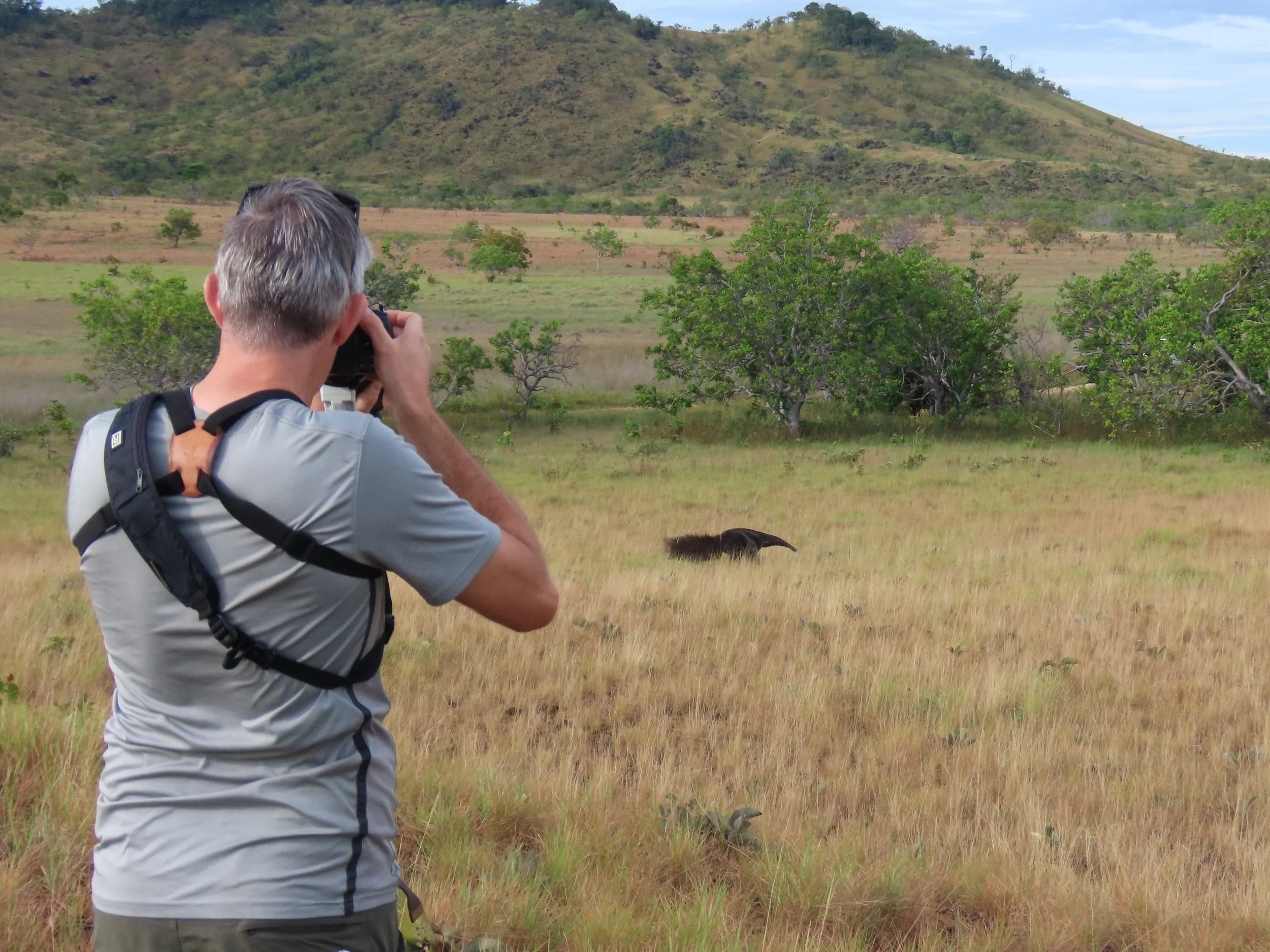
Giant Anteater spotting
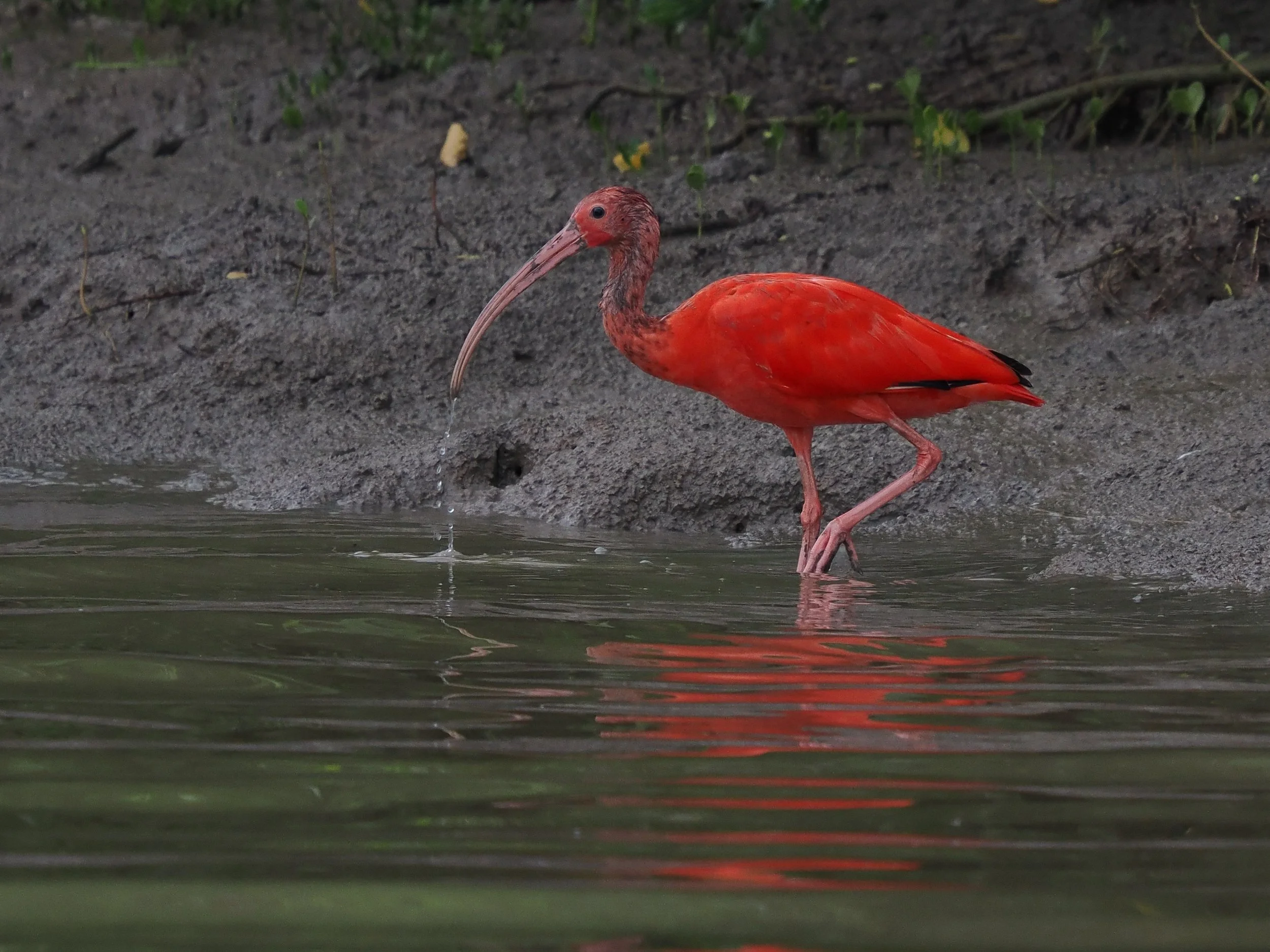
Scarlet Ibis, a species we hope to see along the coast

Blood-coloured Woodpecker - an endemic we may find along the coast
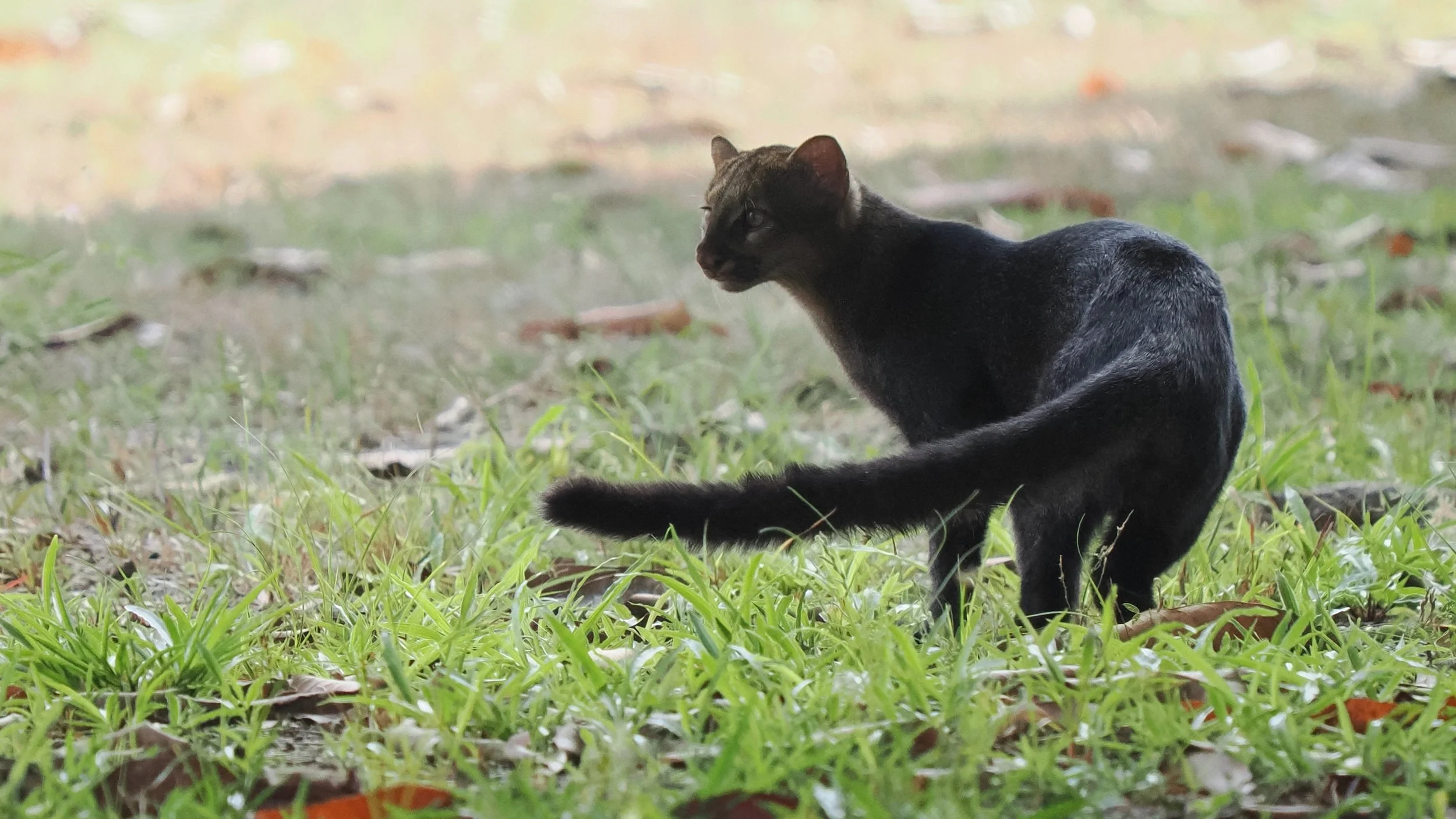
Jaguarundi, one of several species of cat possible on this itinerary.
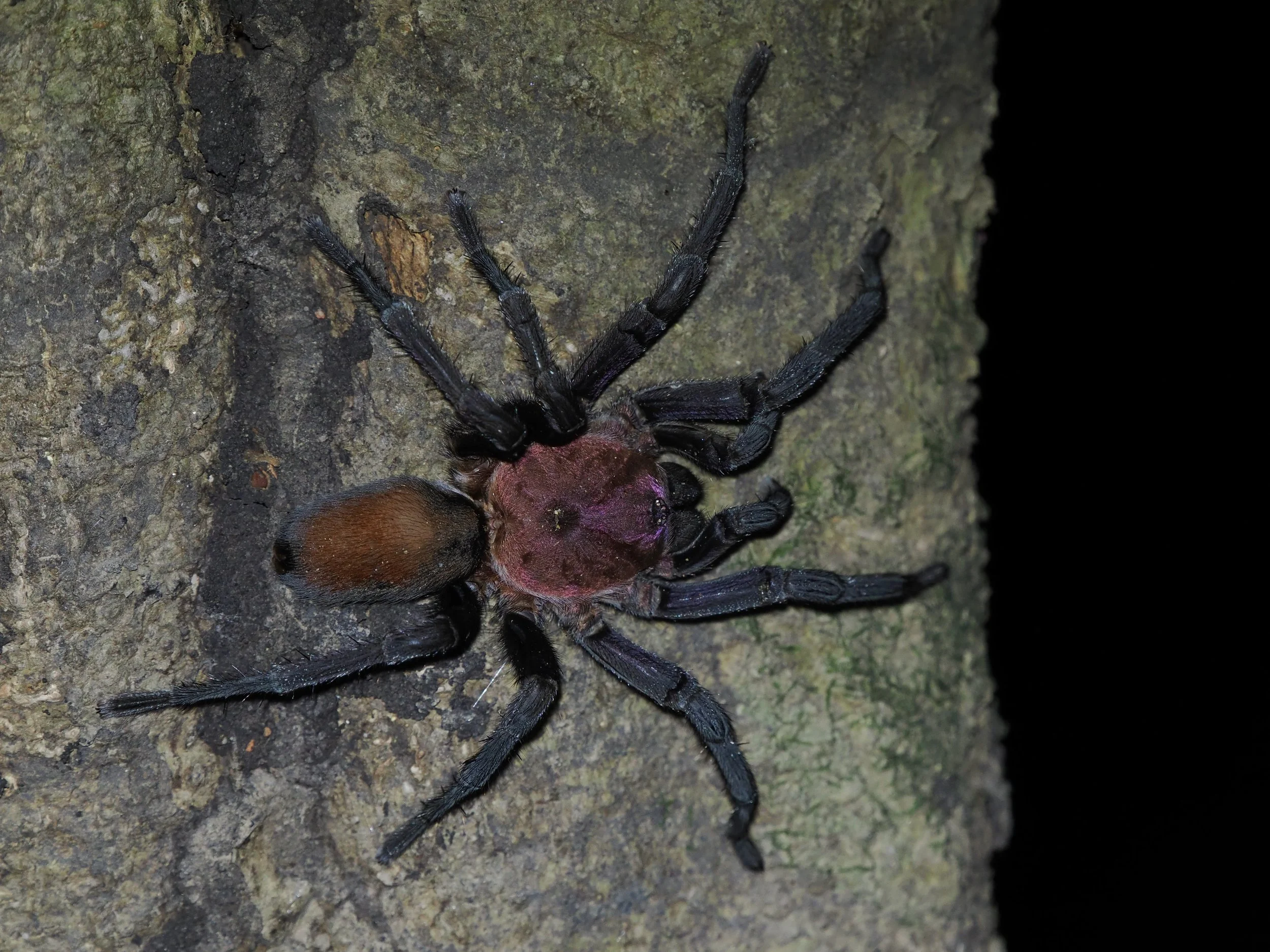
Brazilian Redhead Tarantuala, only recently described to science.
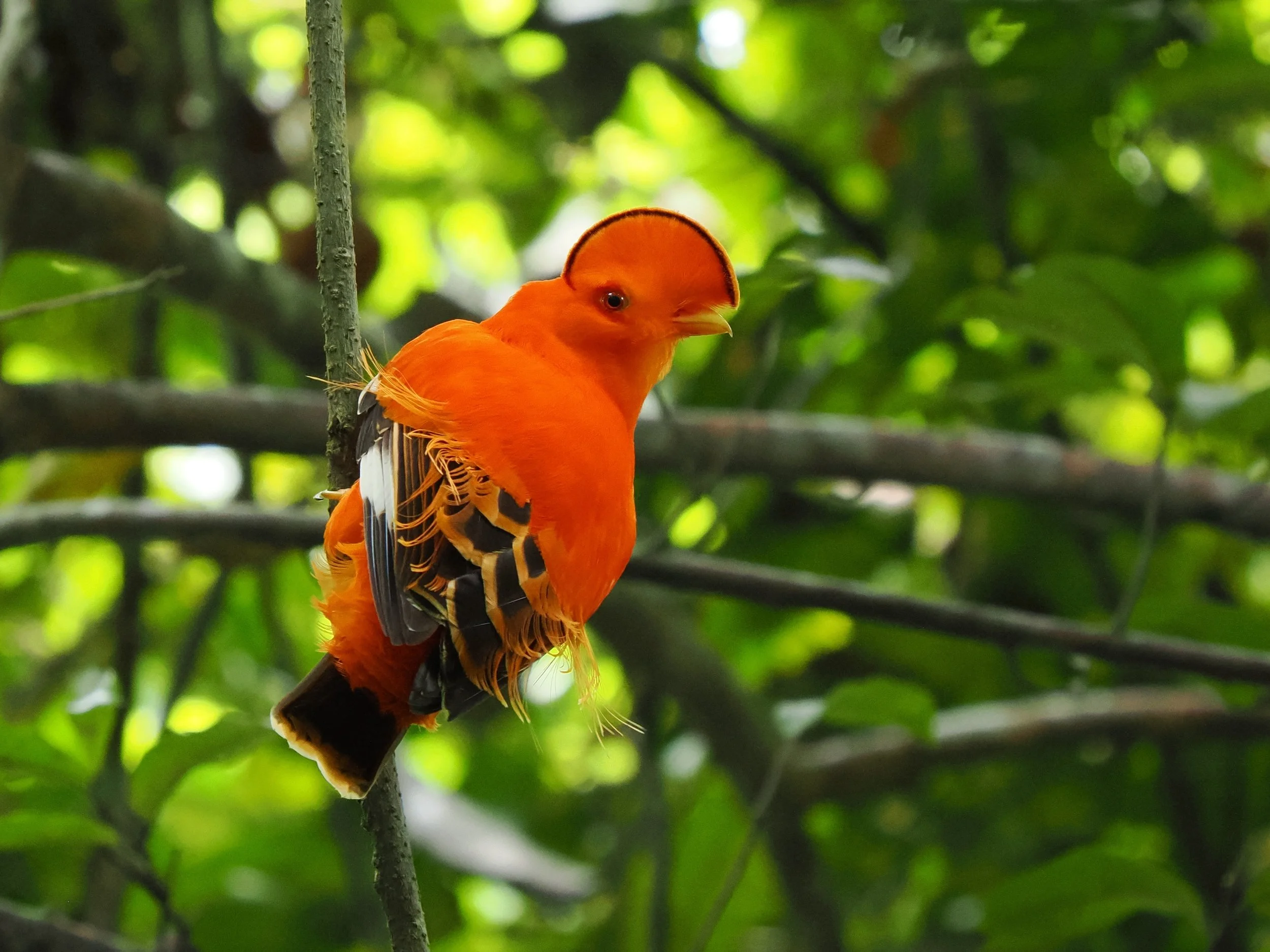
Guianan Cock-of-the-rock
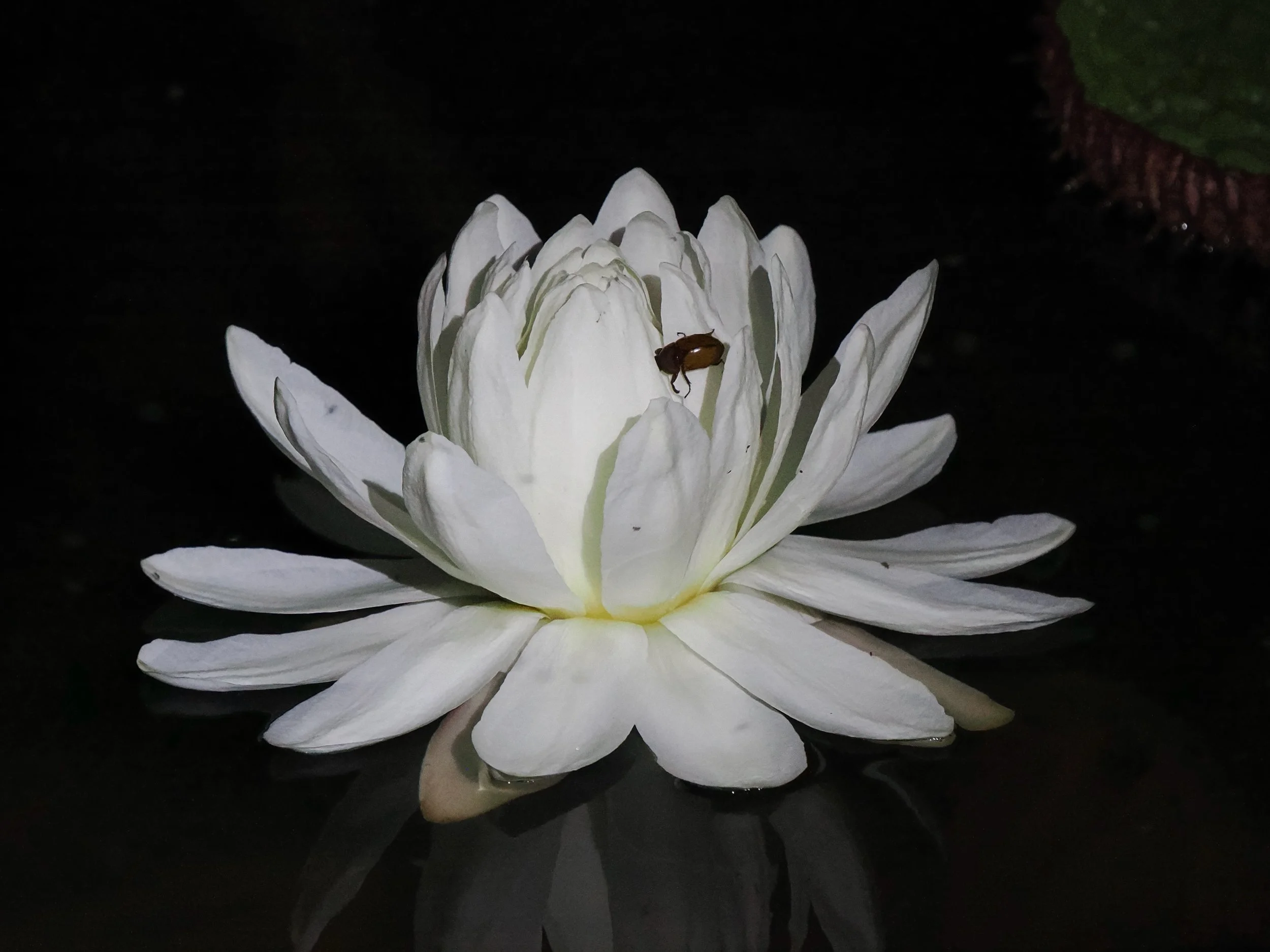
Amazonian Water Lily in flower together with the specific pollinating chafer beetle.
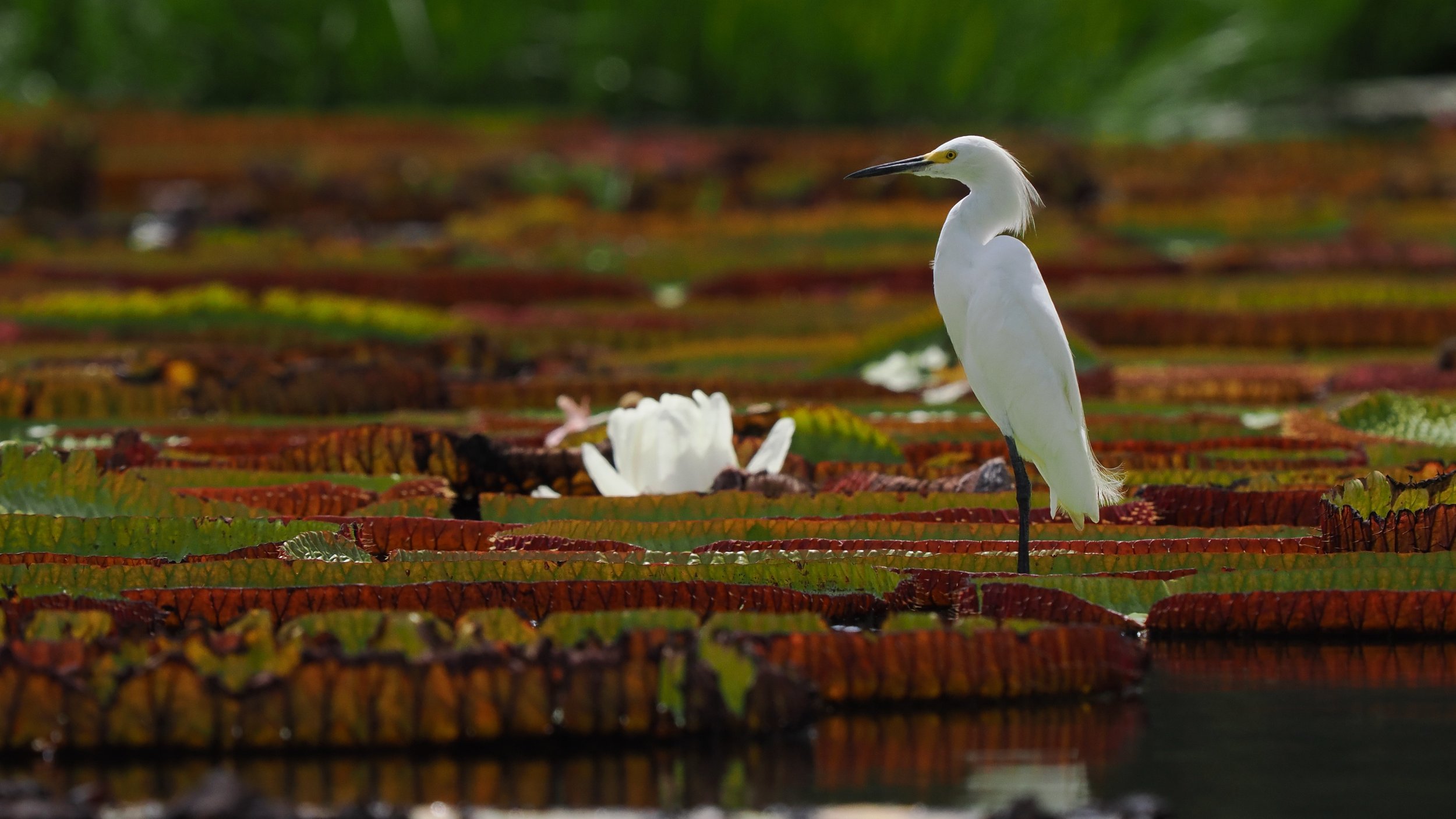
A Snowy Egret fishing from the Giant Amazonian Water Lily's
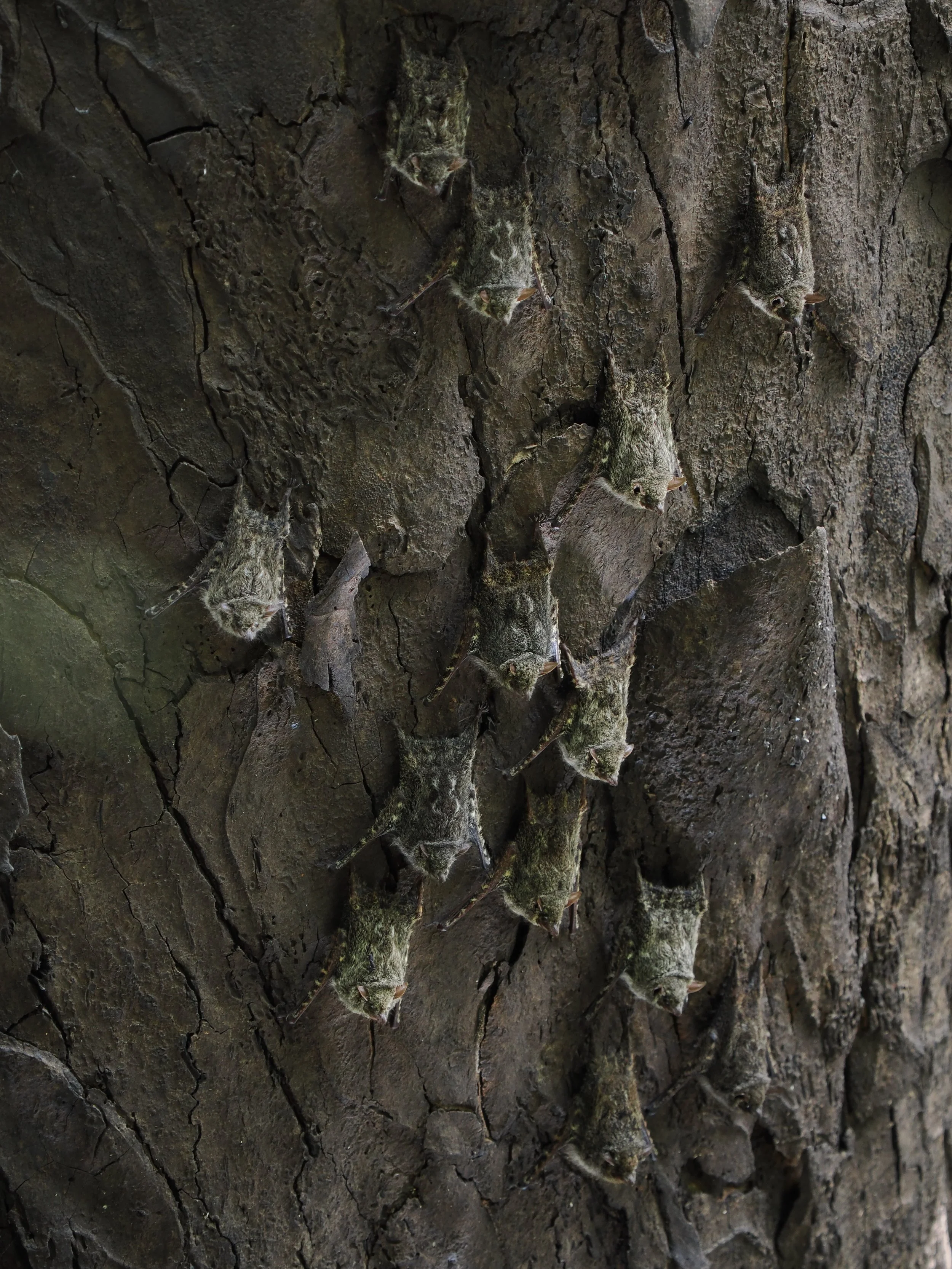
Proboscis Bats roosting on a riverside trunk
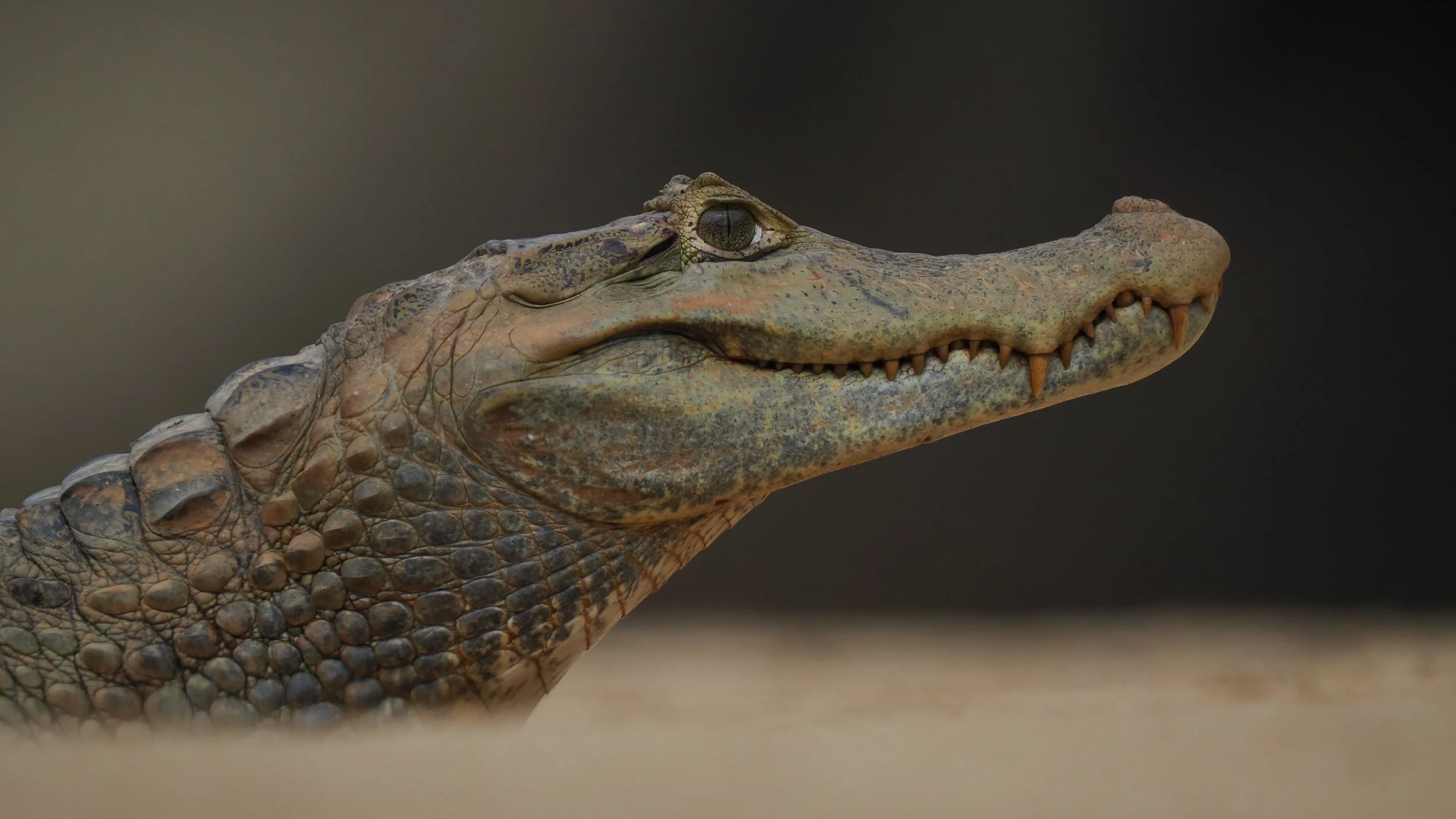
Black Caiman

Goliath Bird-eating Spider
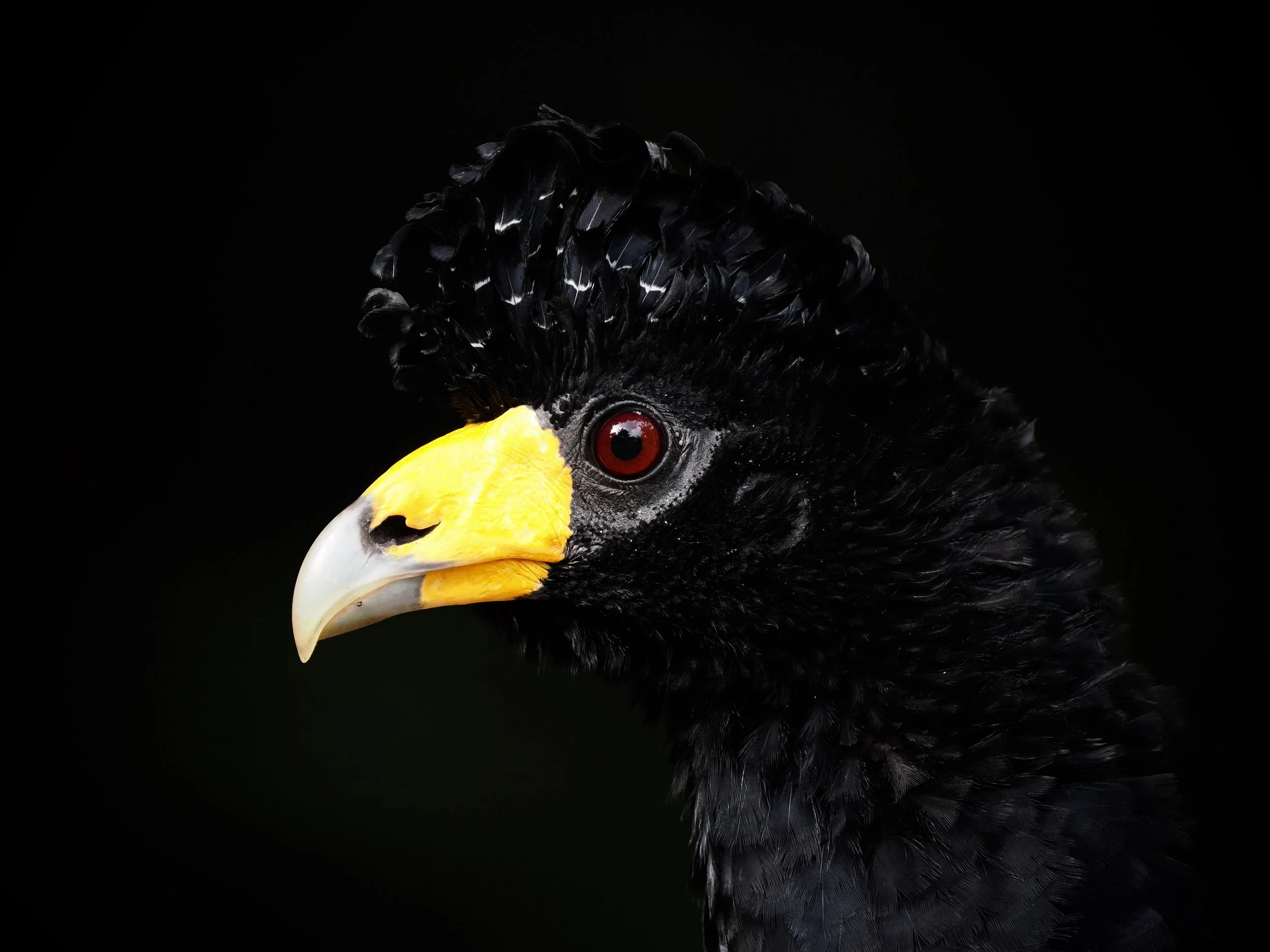
Black Curassow
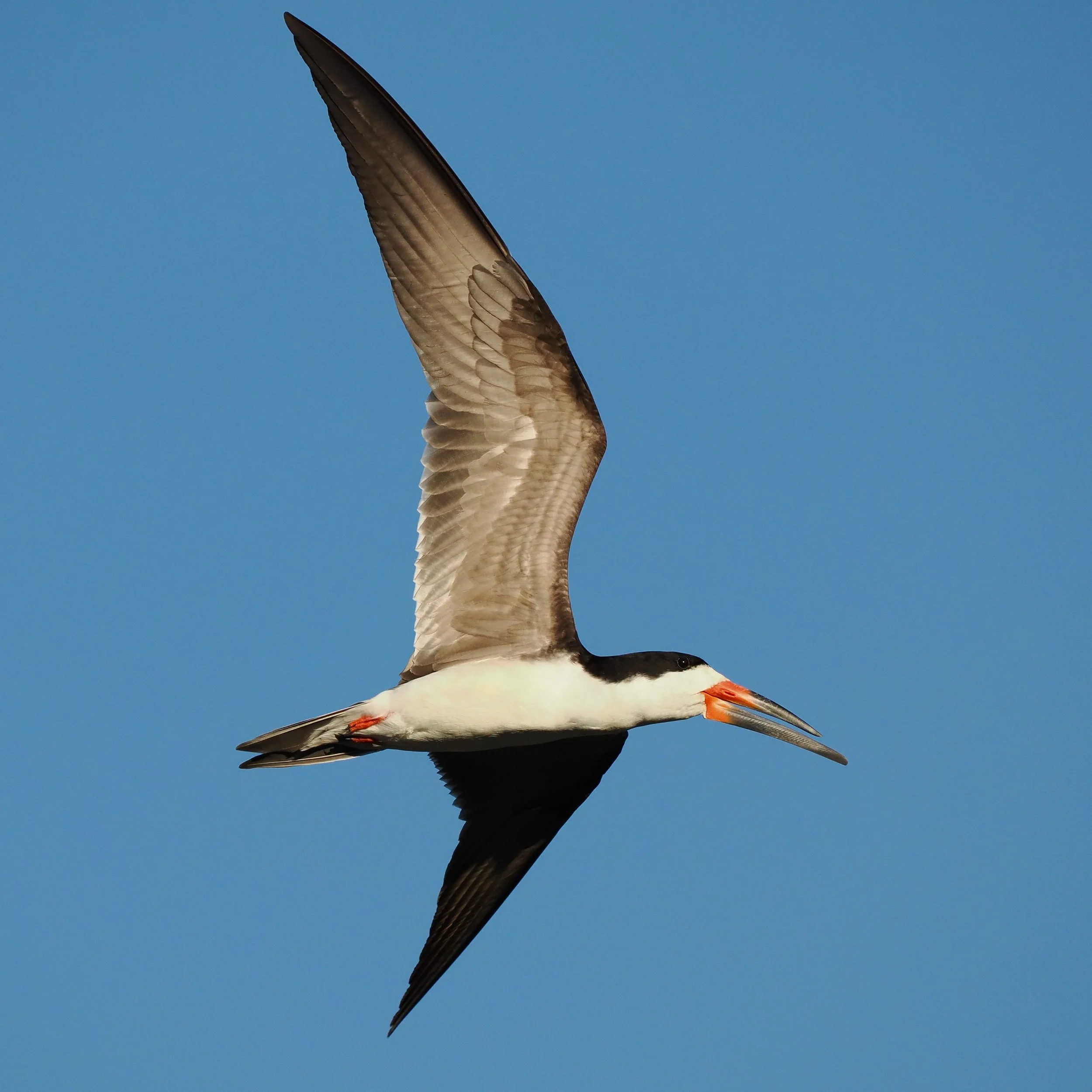
Black Skimmer
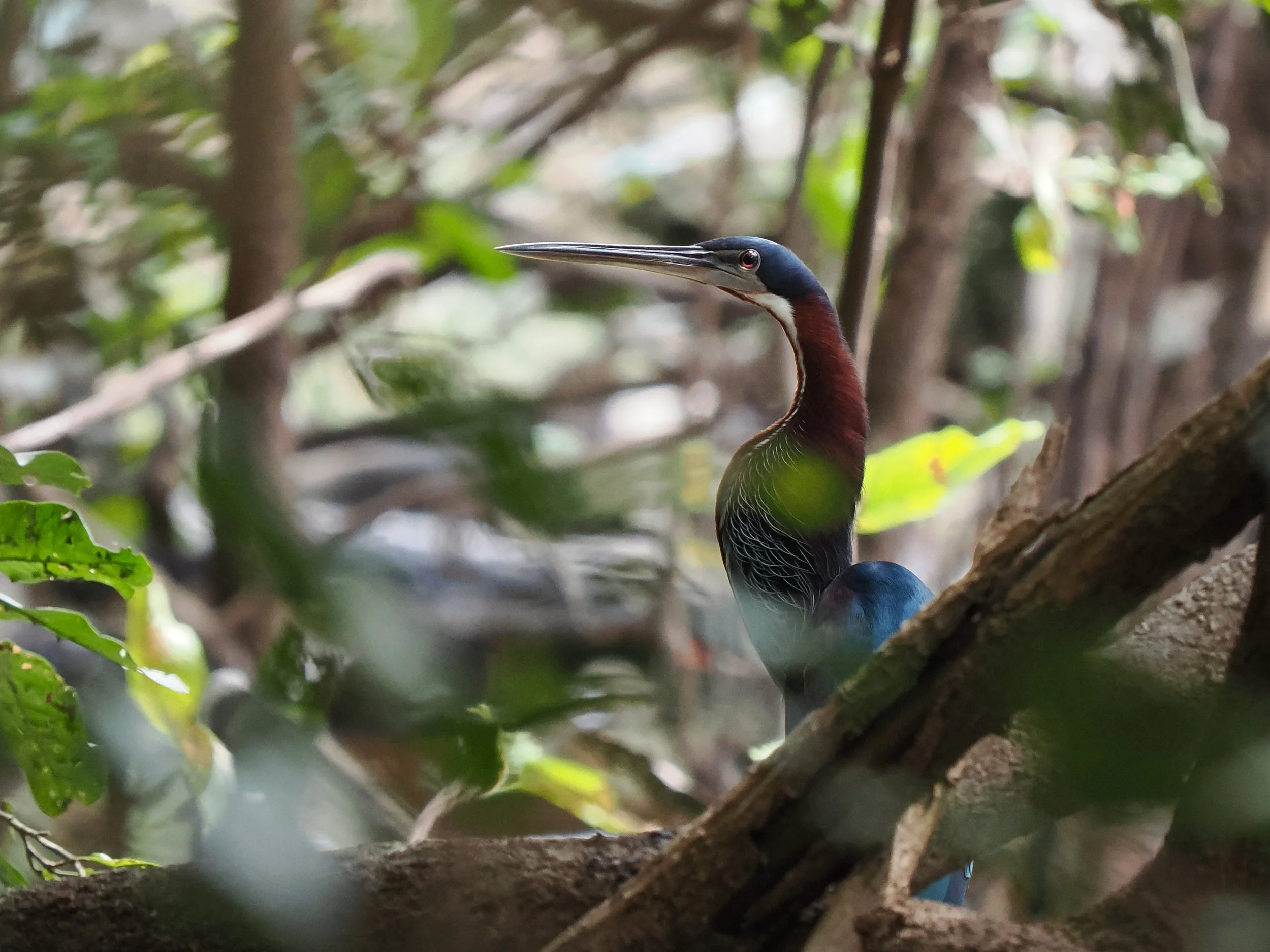
The elusive, but stunning, Agami Heron
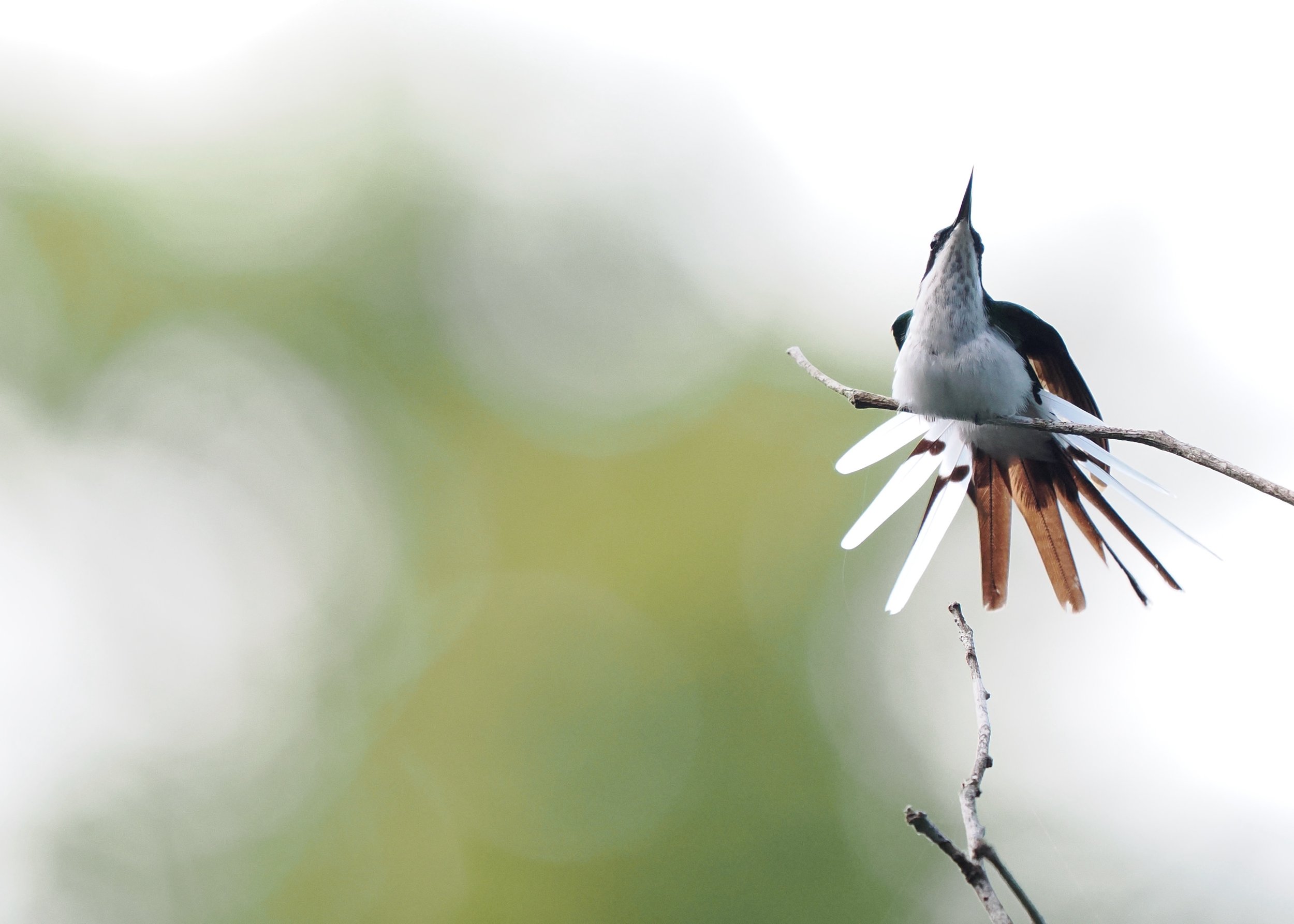
Black-eared Fairy
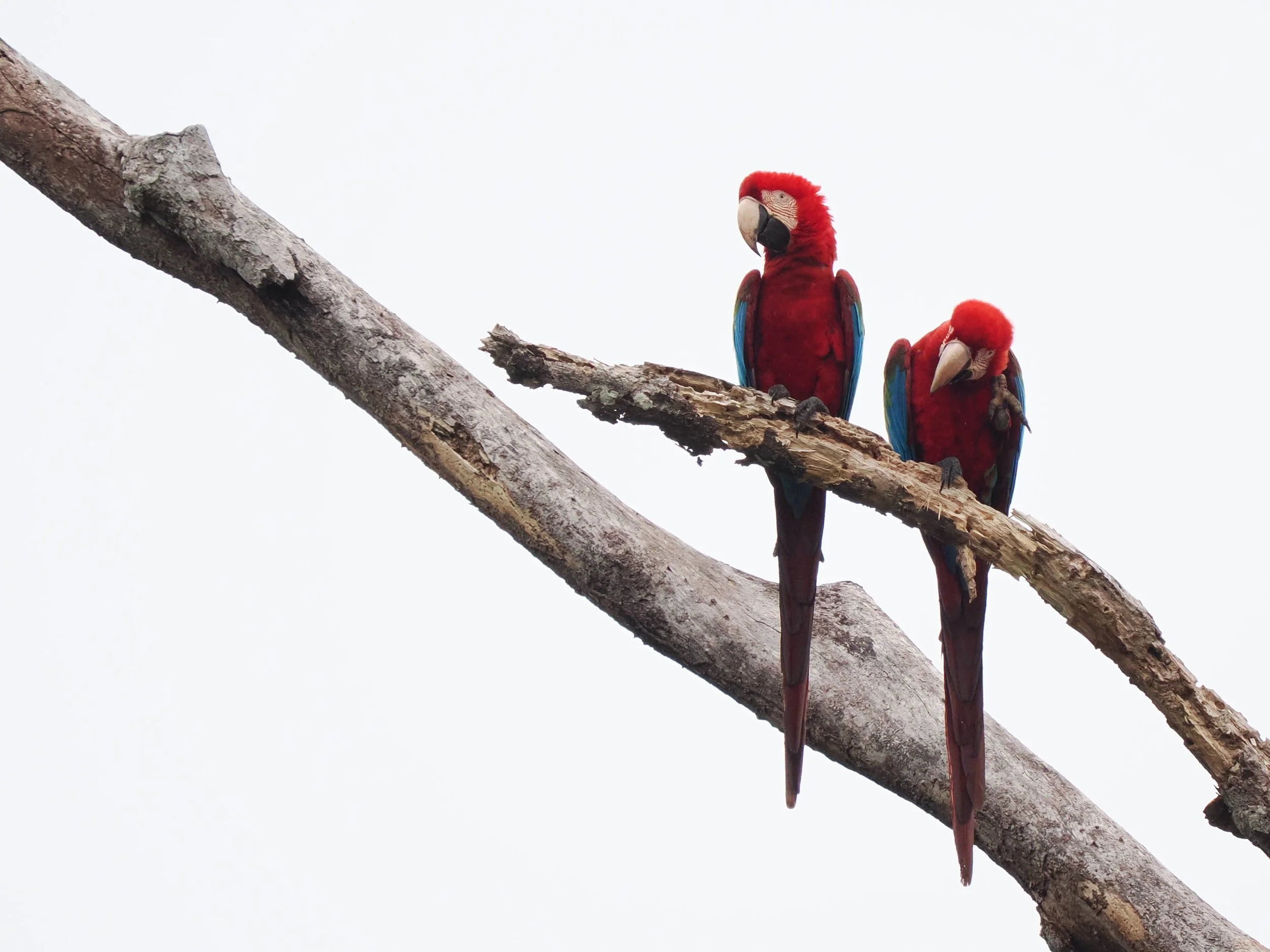
Blue-and-green Macaw
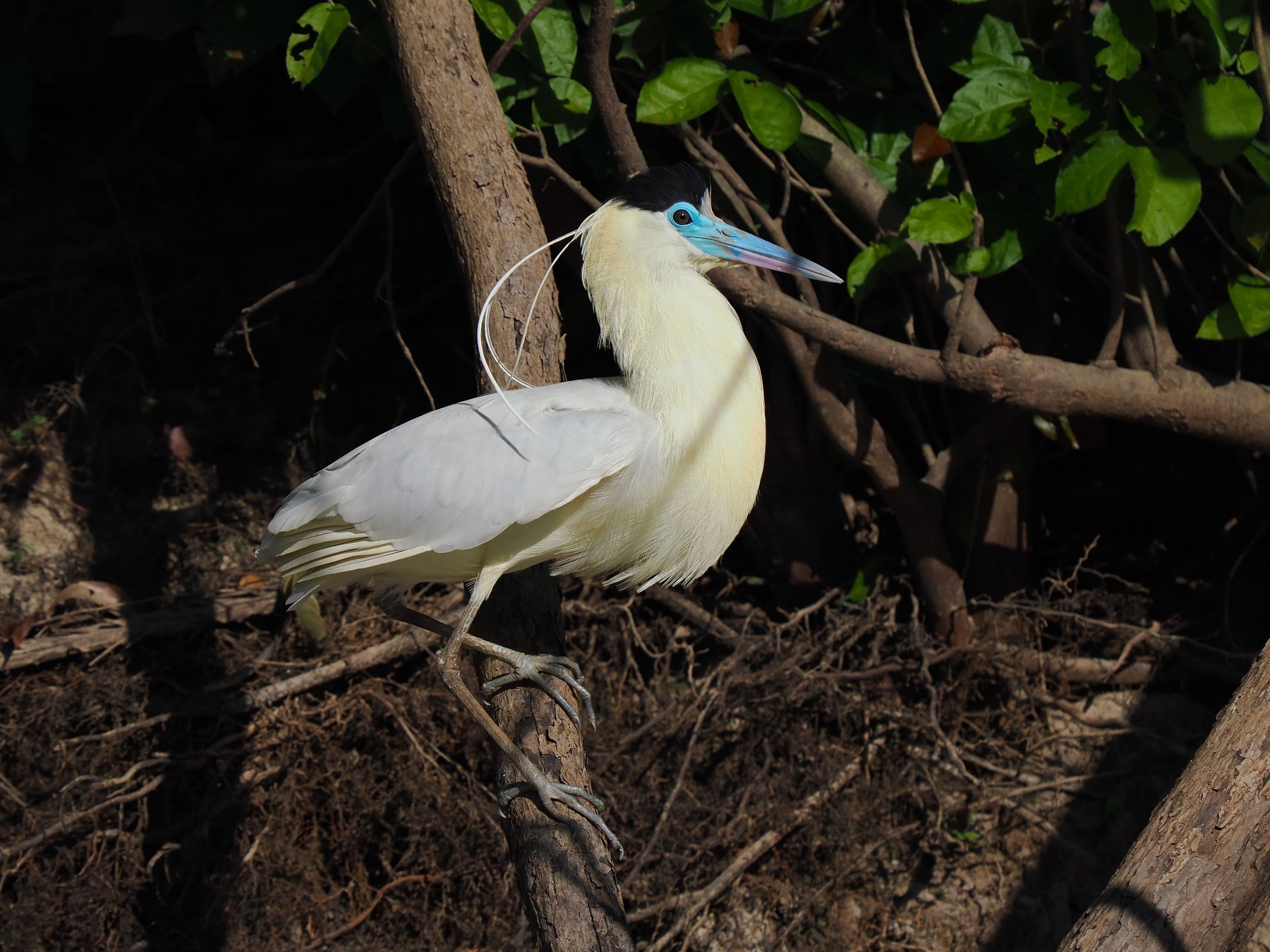
Capped Heron
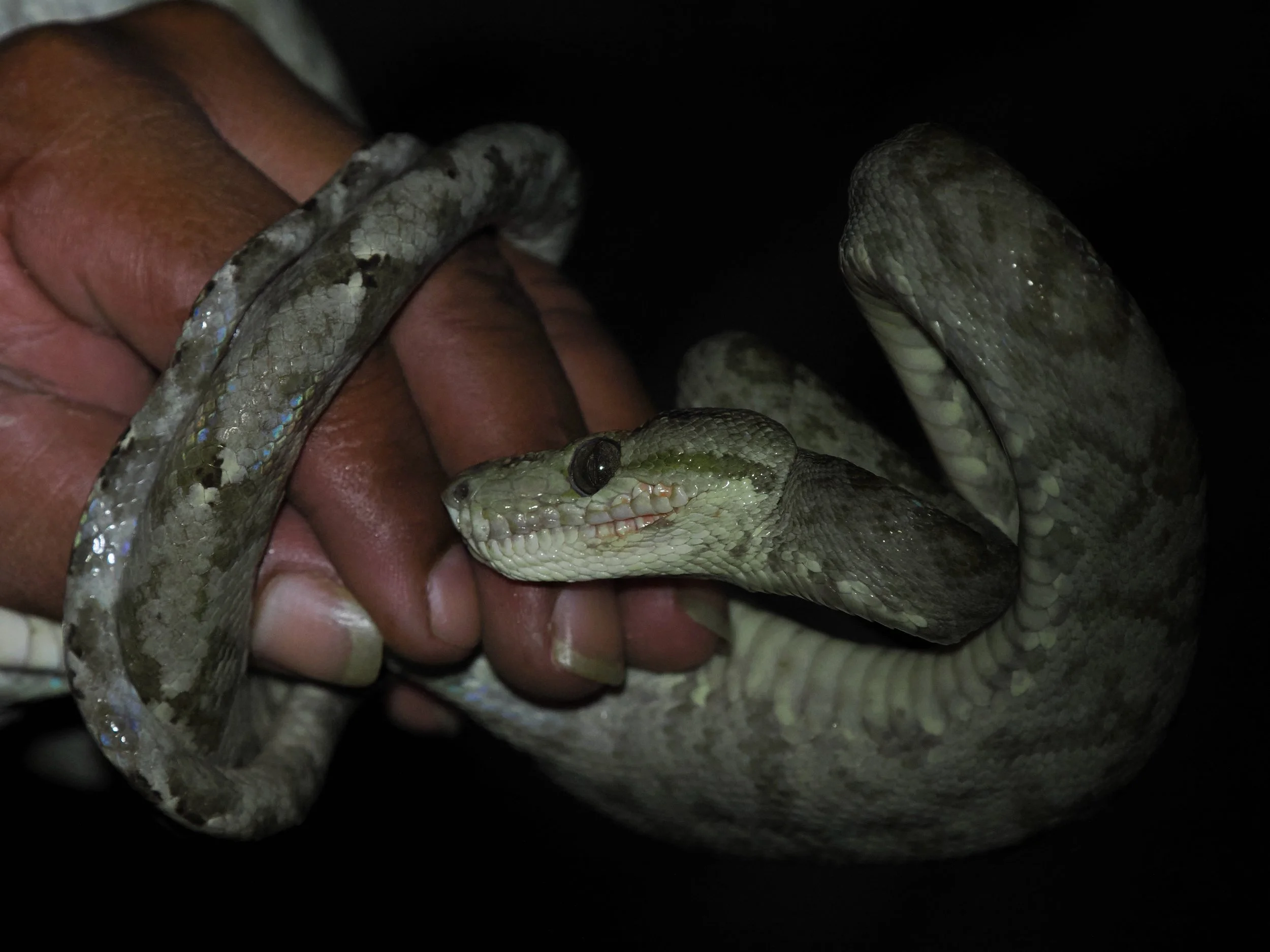
Tree Boa

Giant River Otter
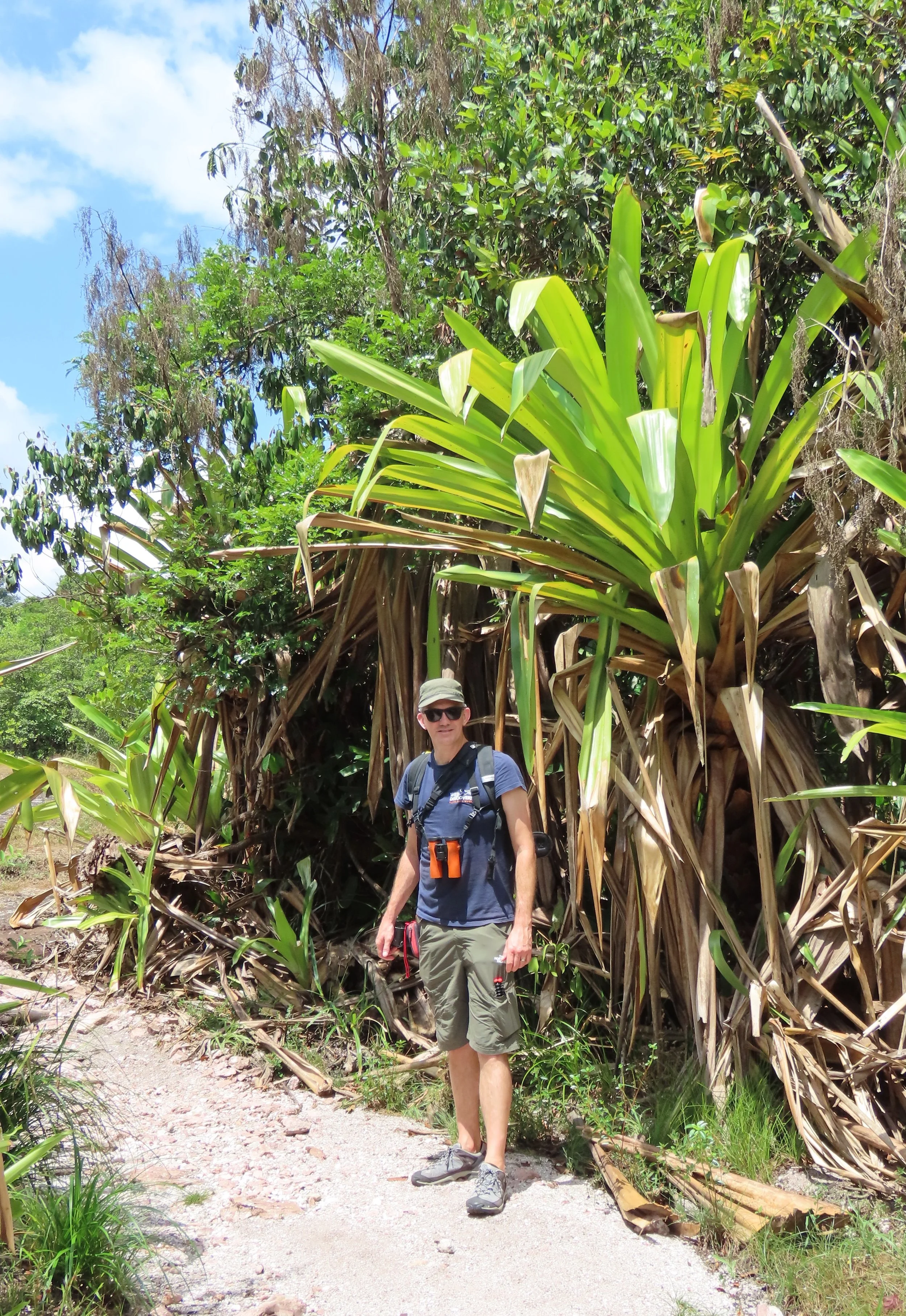
The unique giant Bromeliad forests at Kaieteur
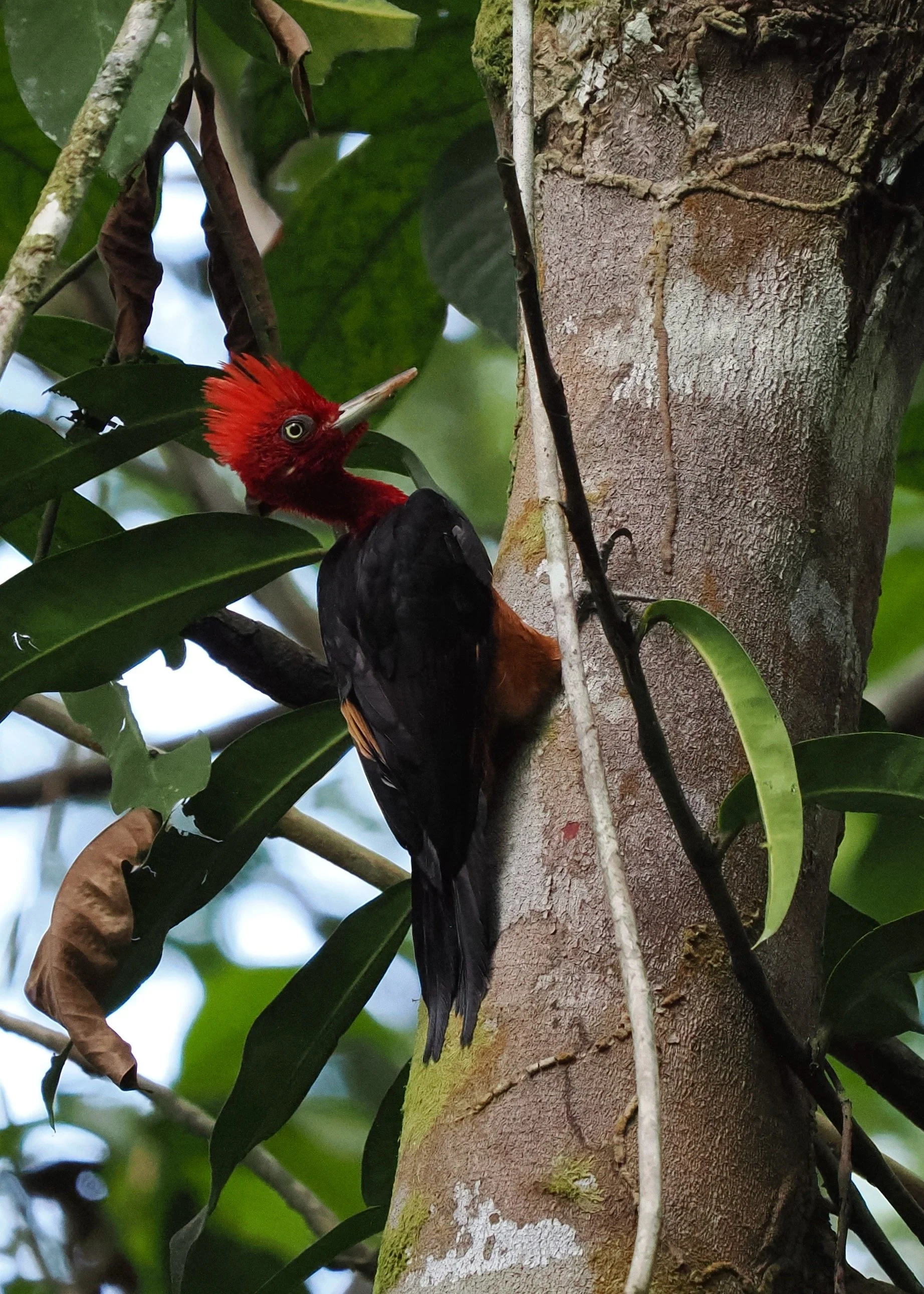
Red-necked Woodpecker
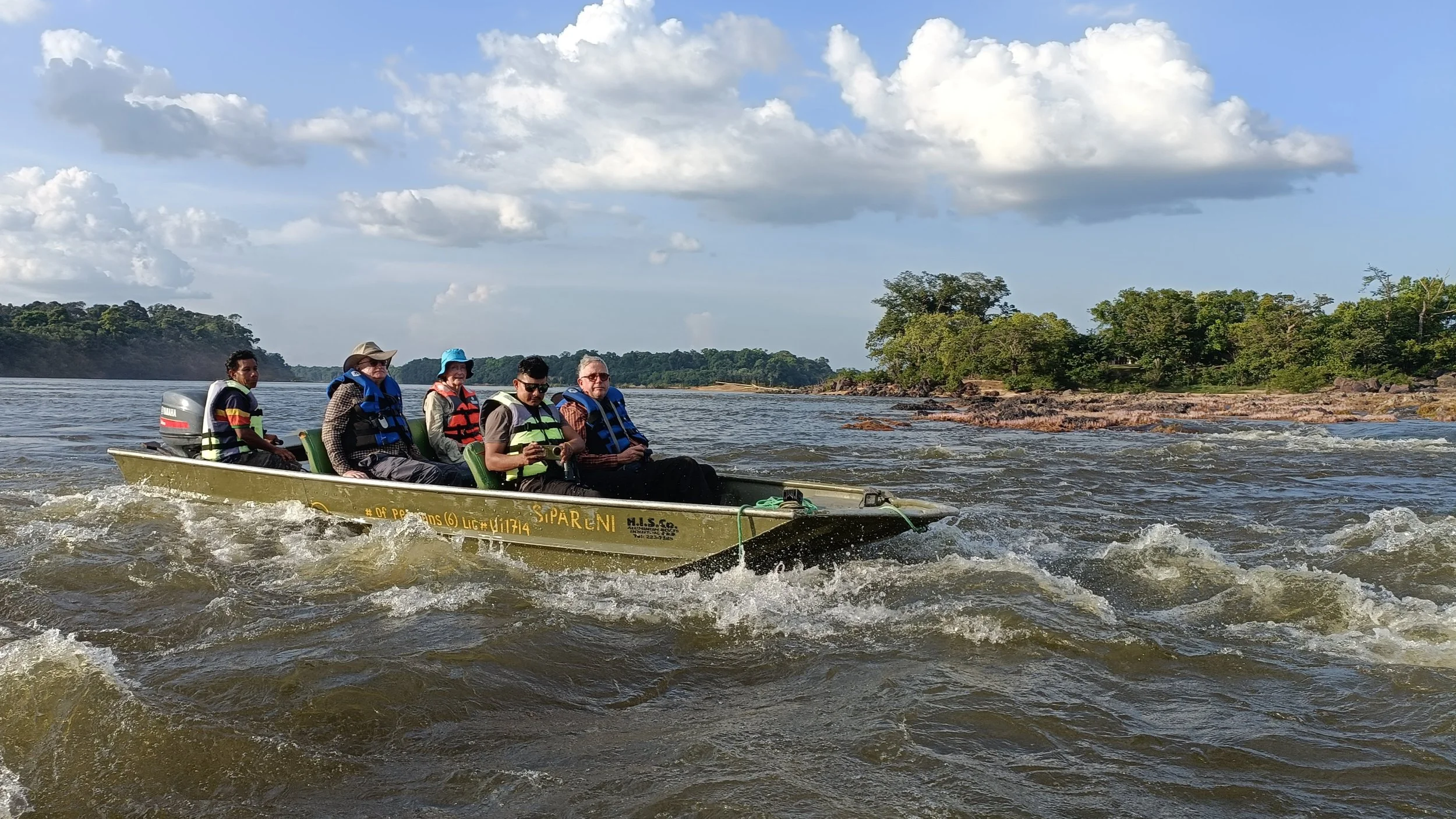
Rapids and river close to Iwokrame

Giant River Otter
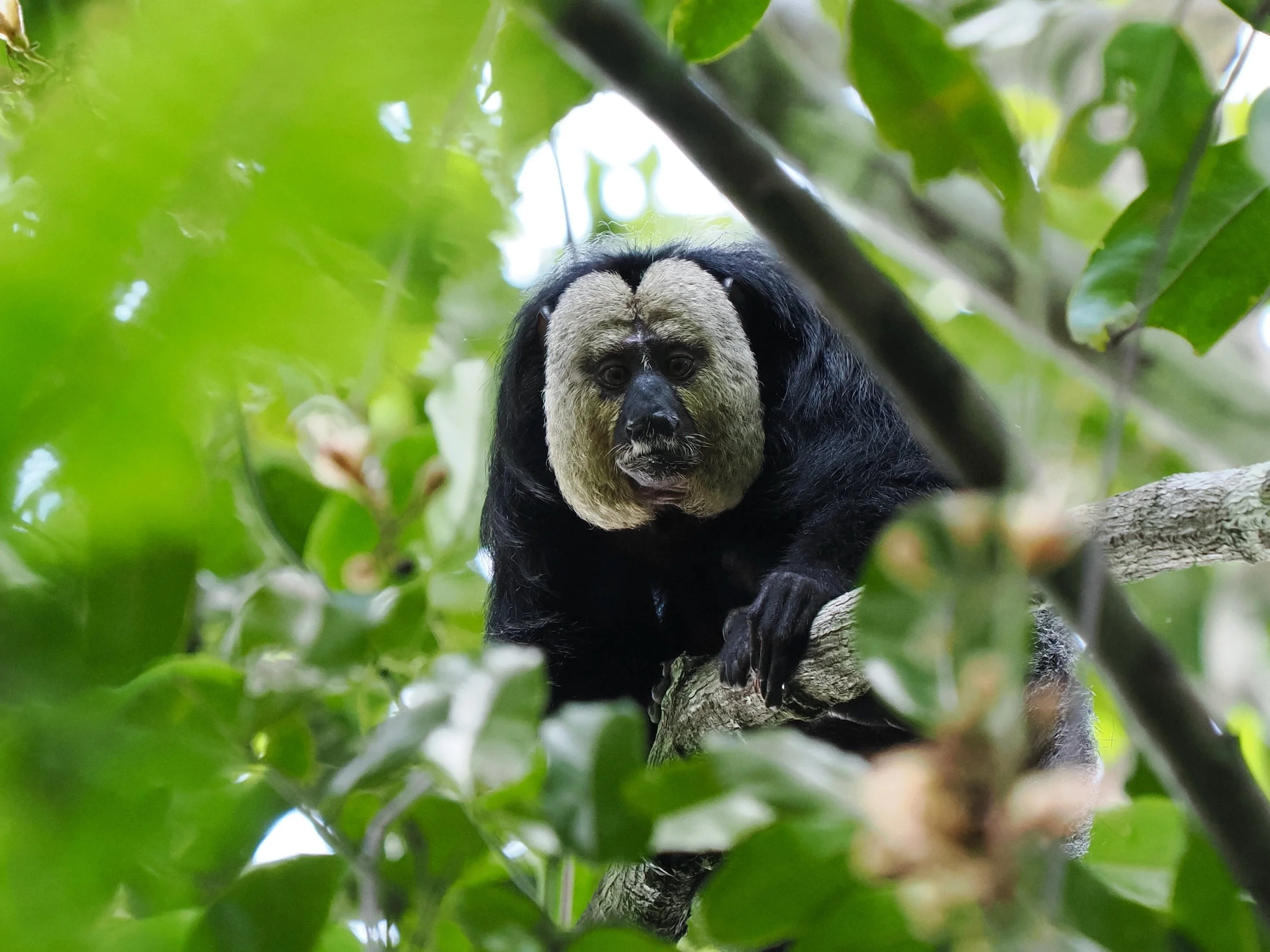
White-faced Saki
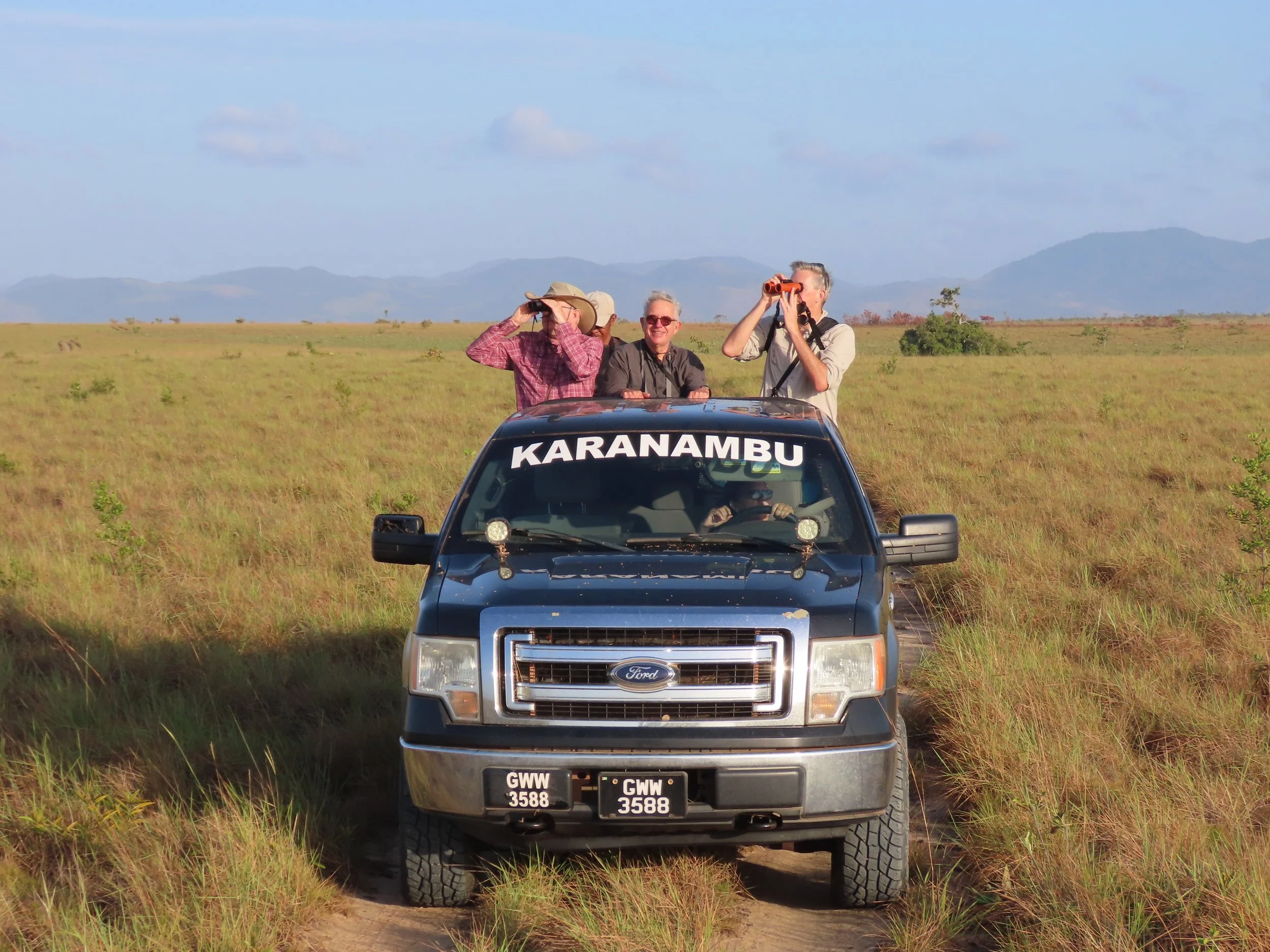
Exploring the savannah at Karanambu
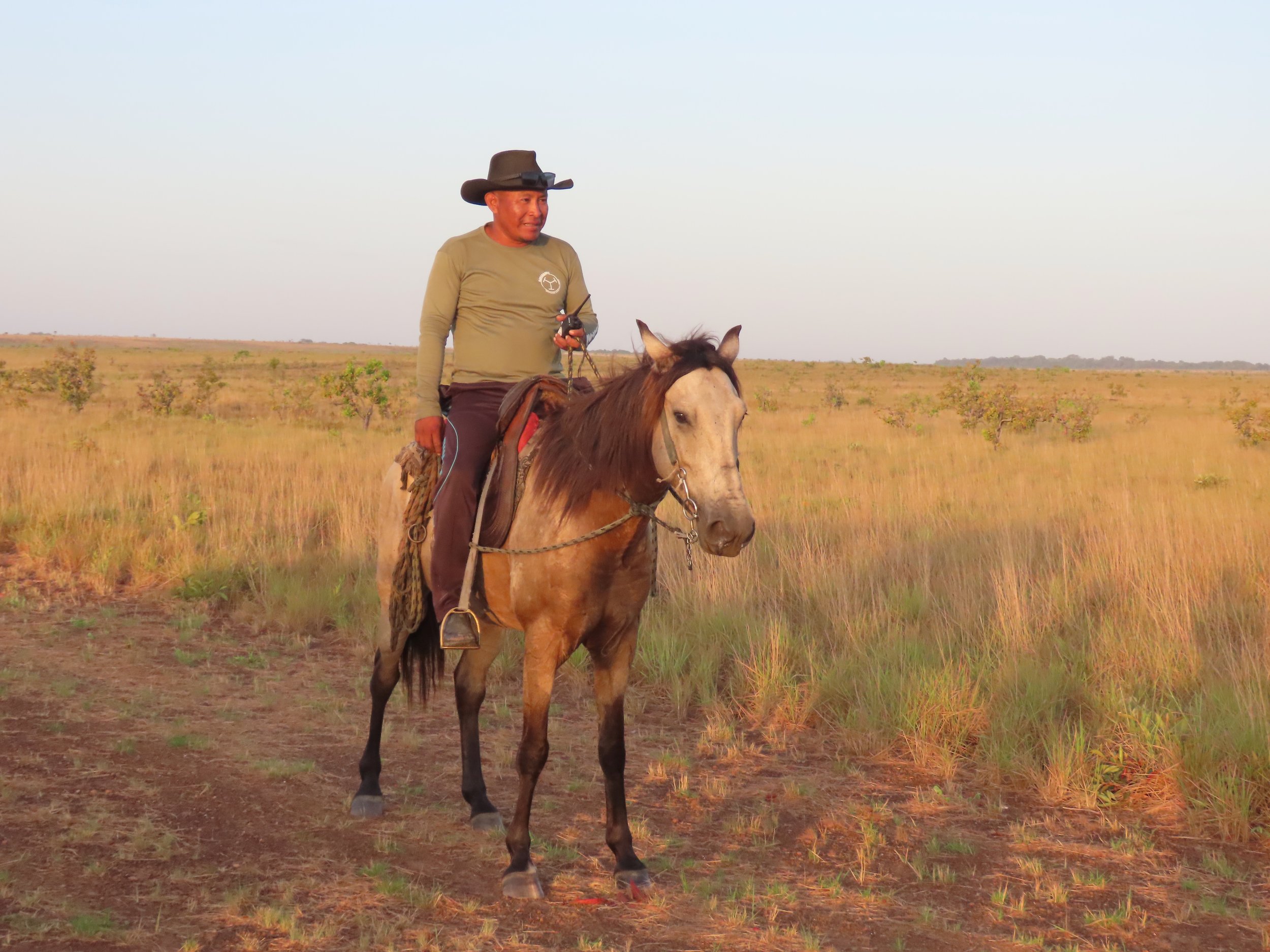
A savannah Gaucho
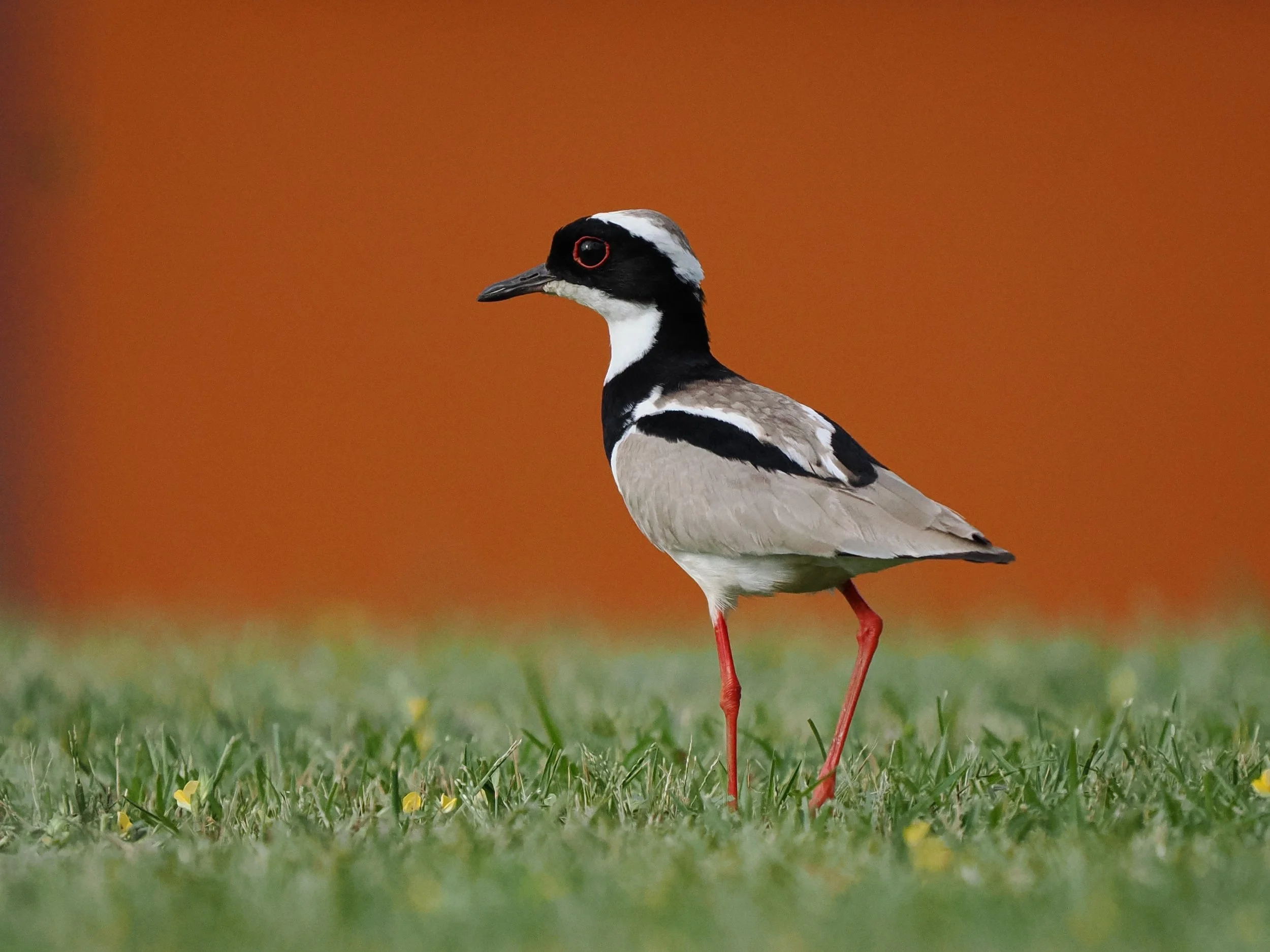
Pied Lapwing
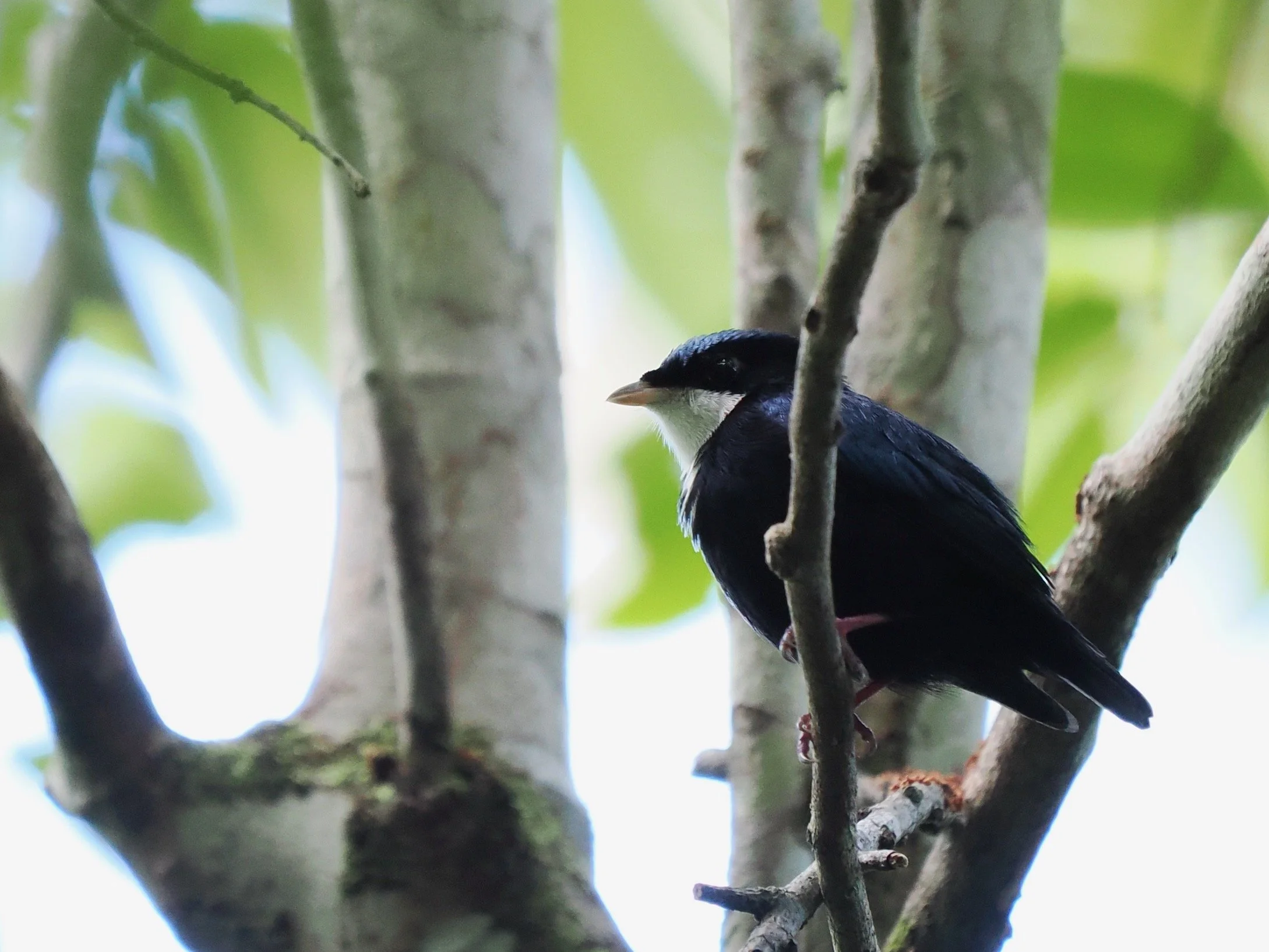
White-throated Manakin
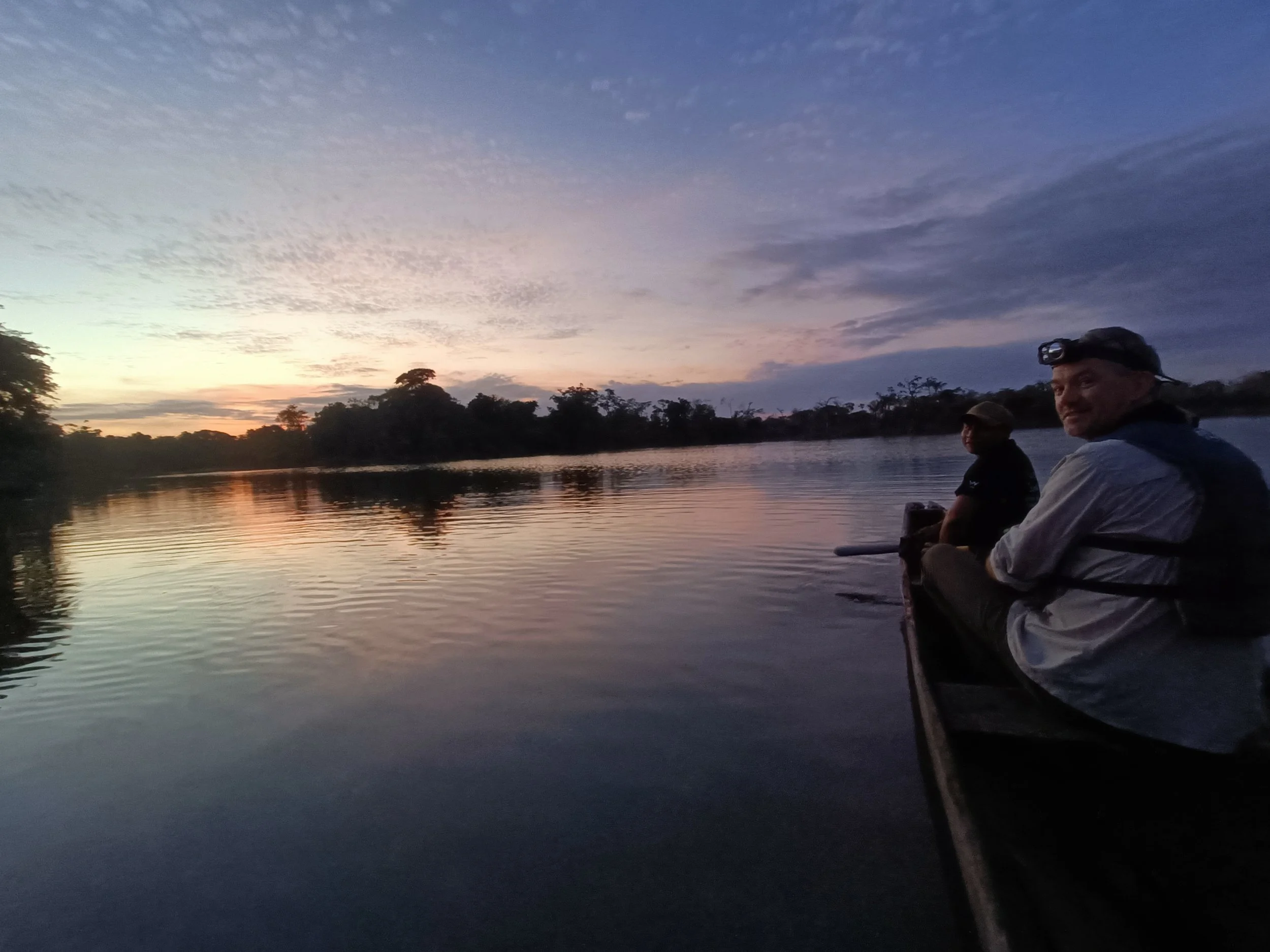
Dawn on the water in search of wildlife
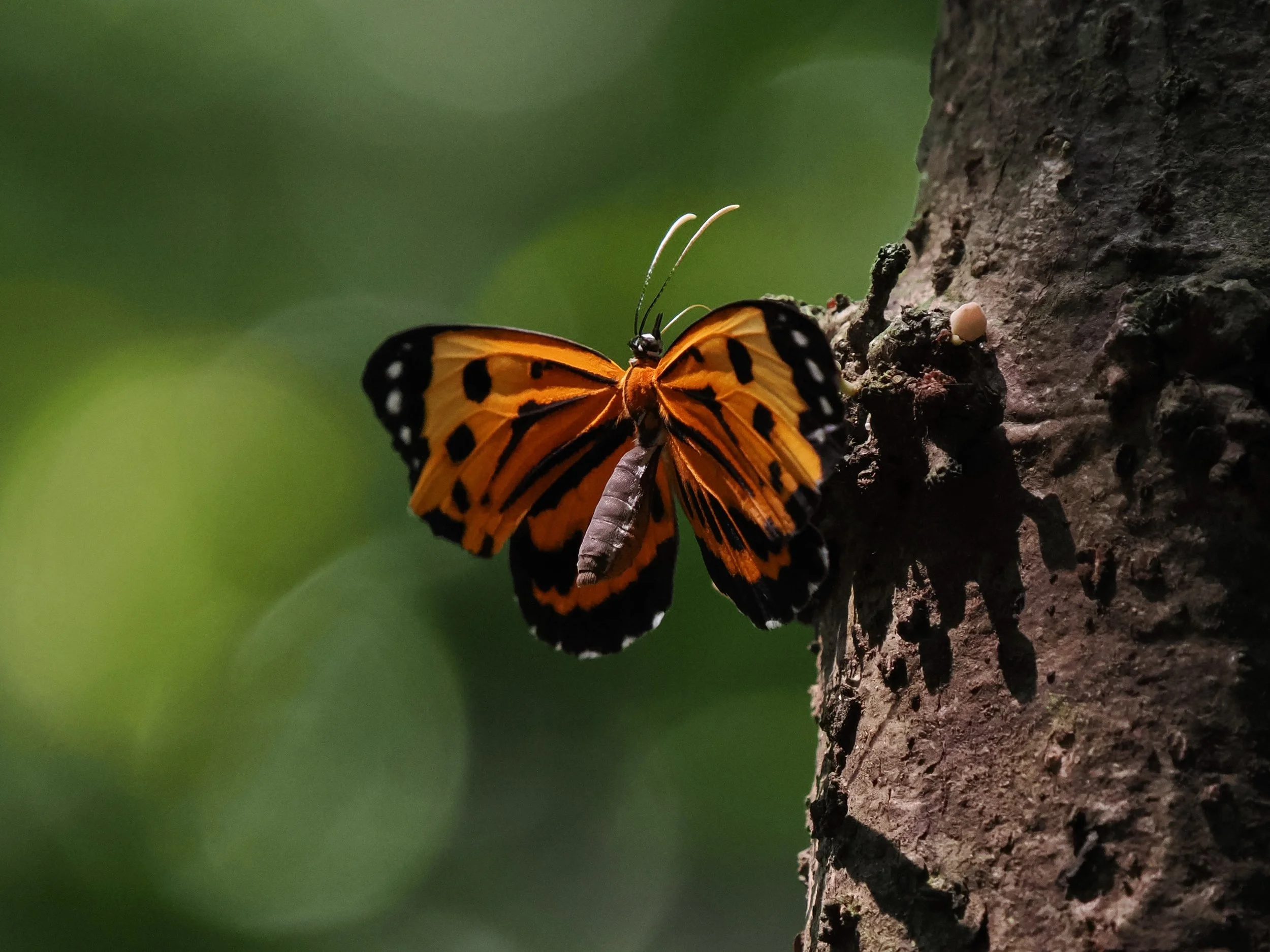
Heliconius butterfly
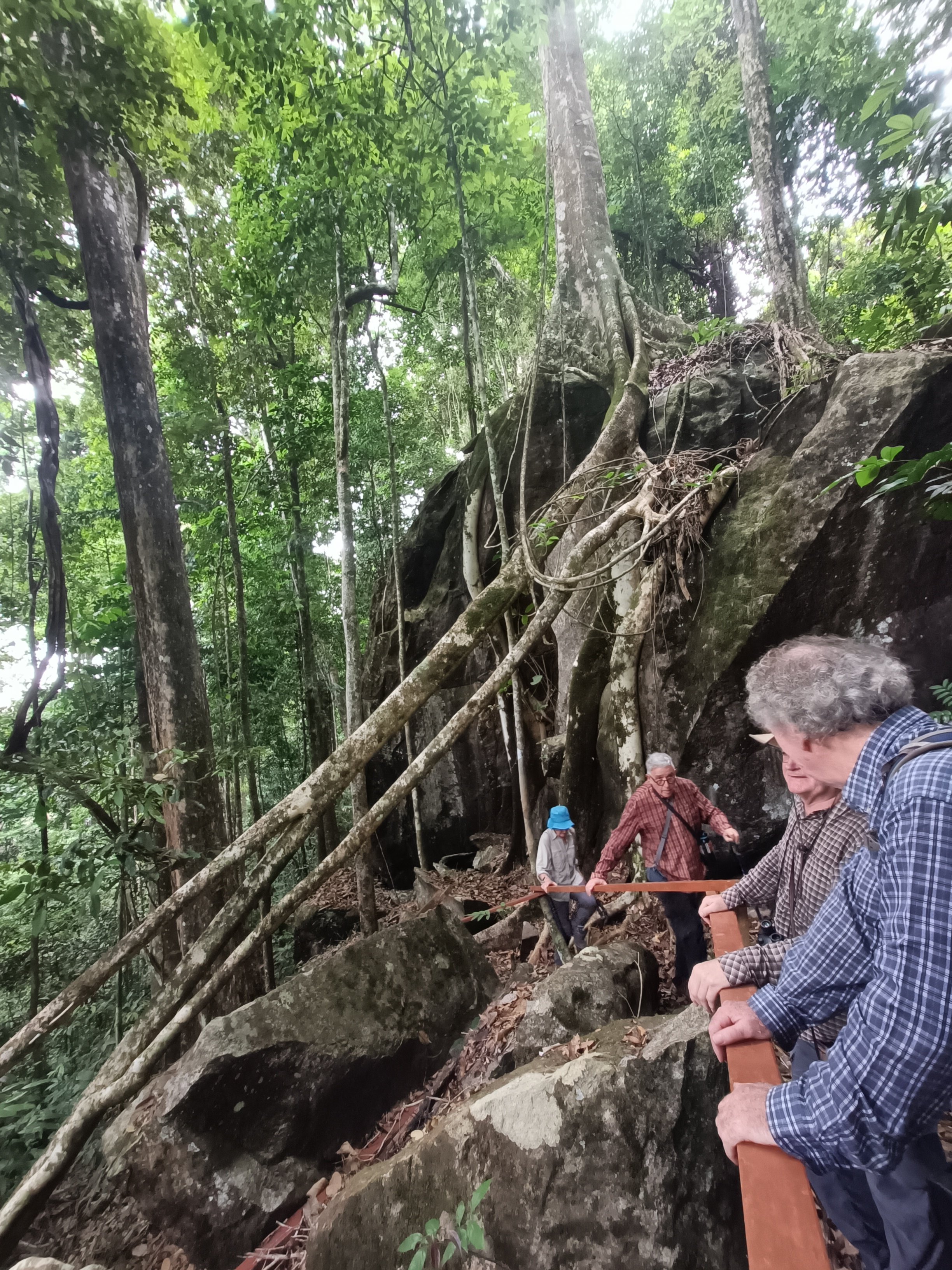
Exploring Turtle Mountain at Iwokrama
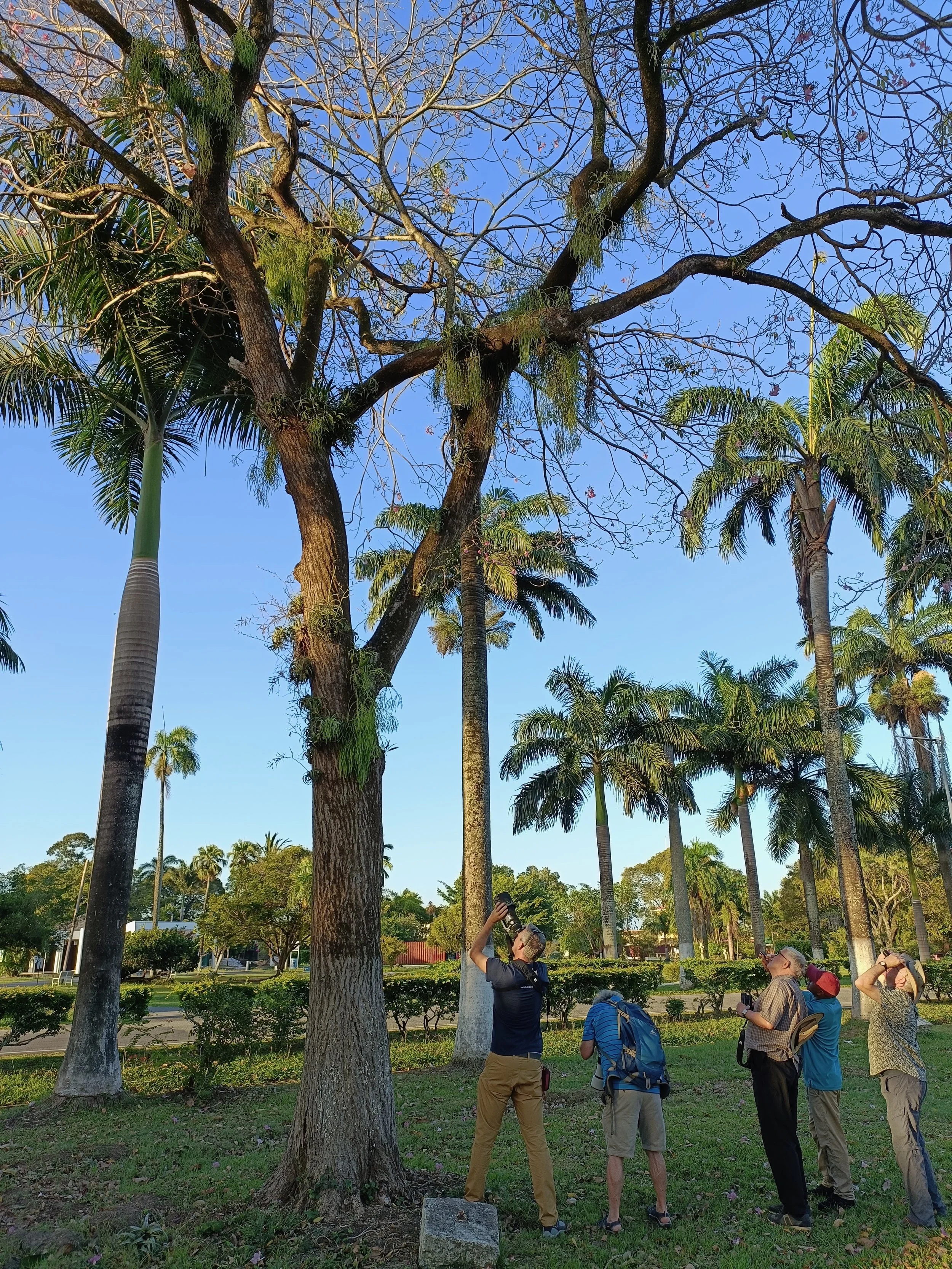
Birding Georgetown Botanic Garden
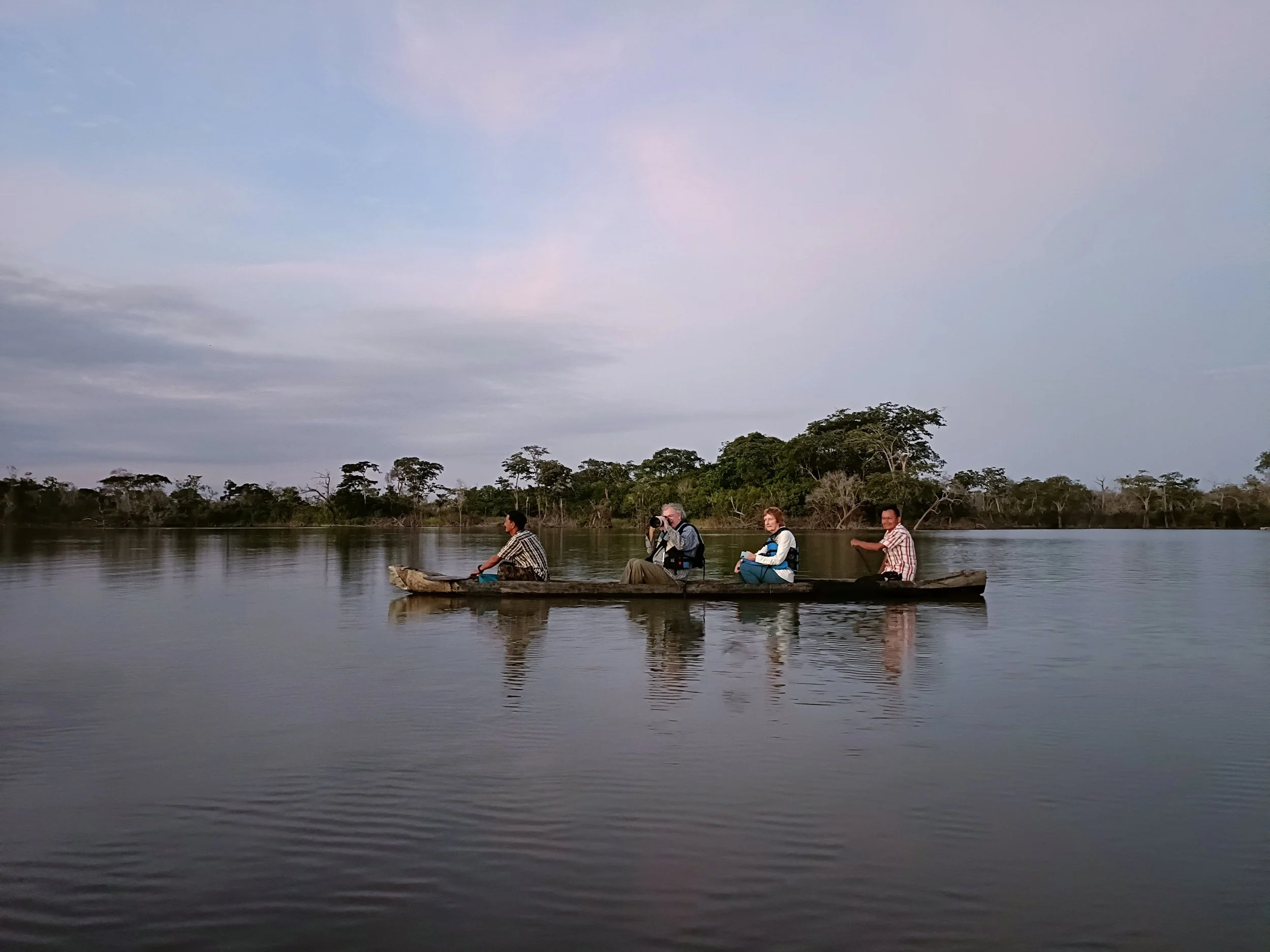
A morning Oxbow paddle
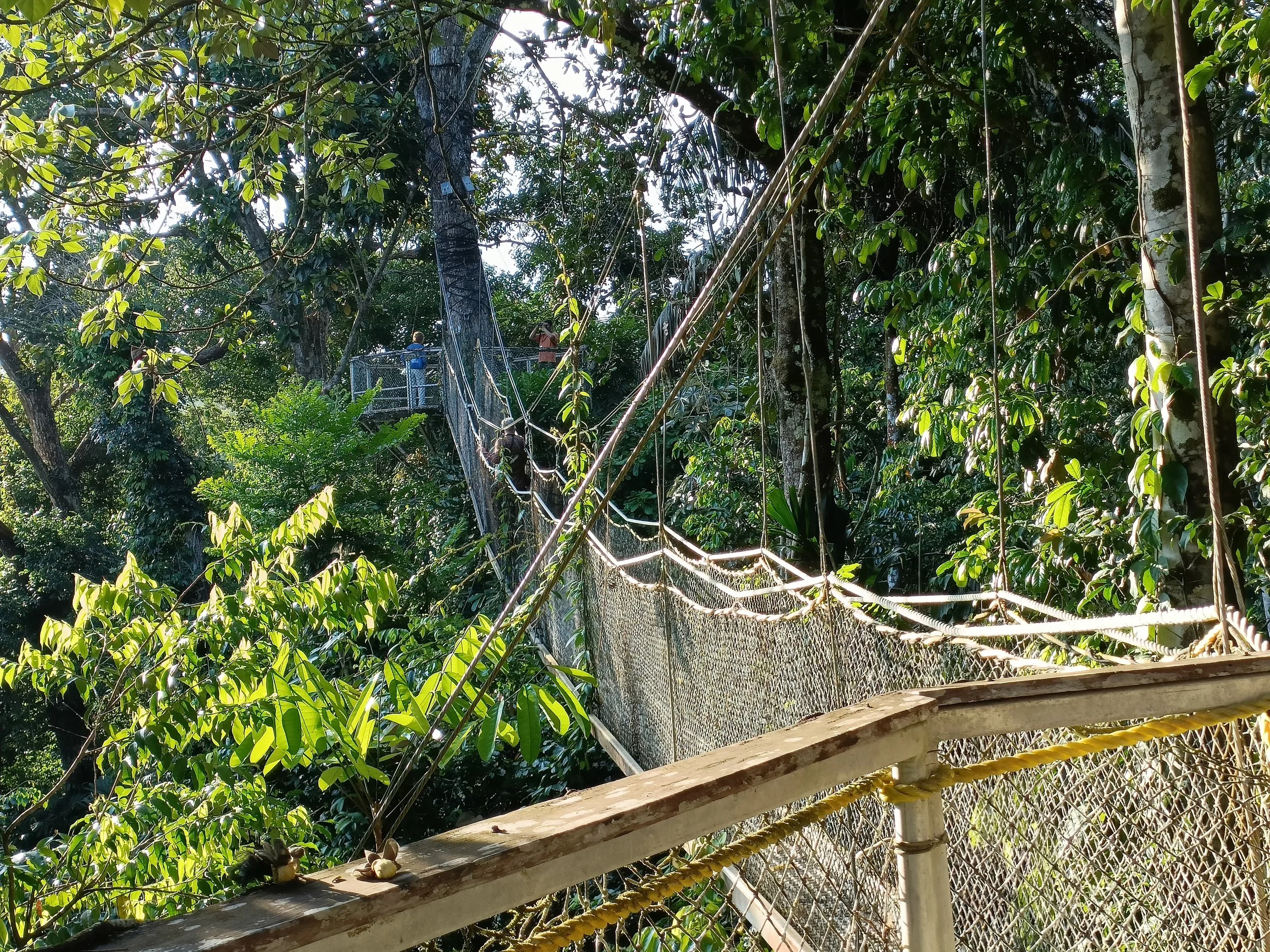
The canopy walkway at Atta

Guianan Red Howler Monkey
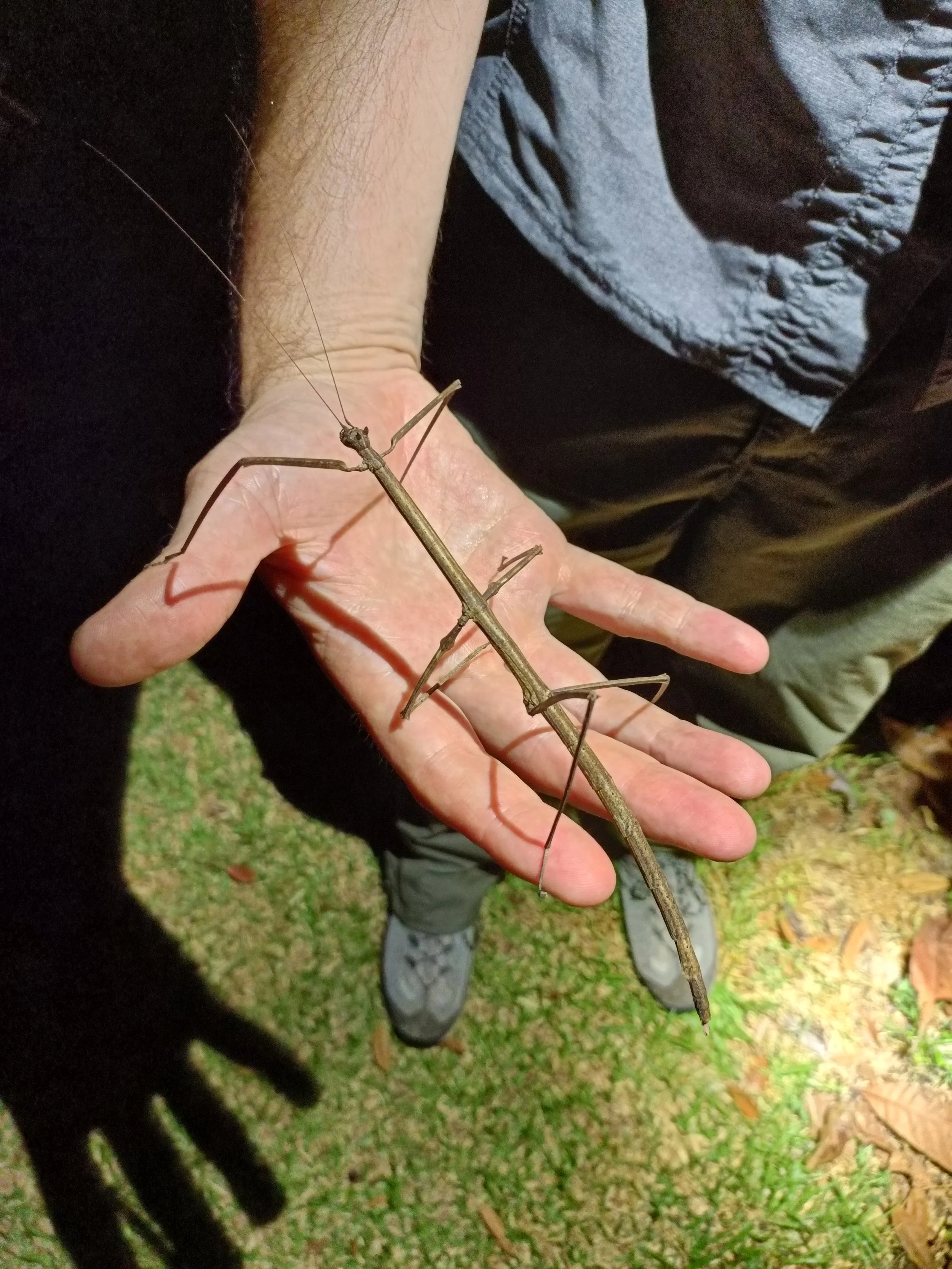
A Giant Stick Insect
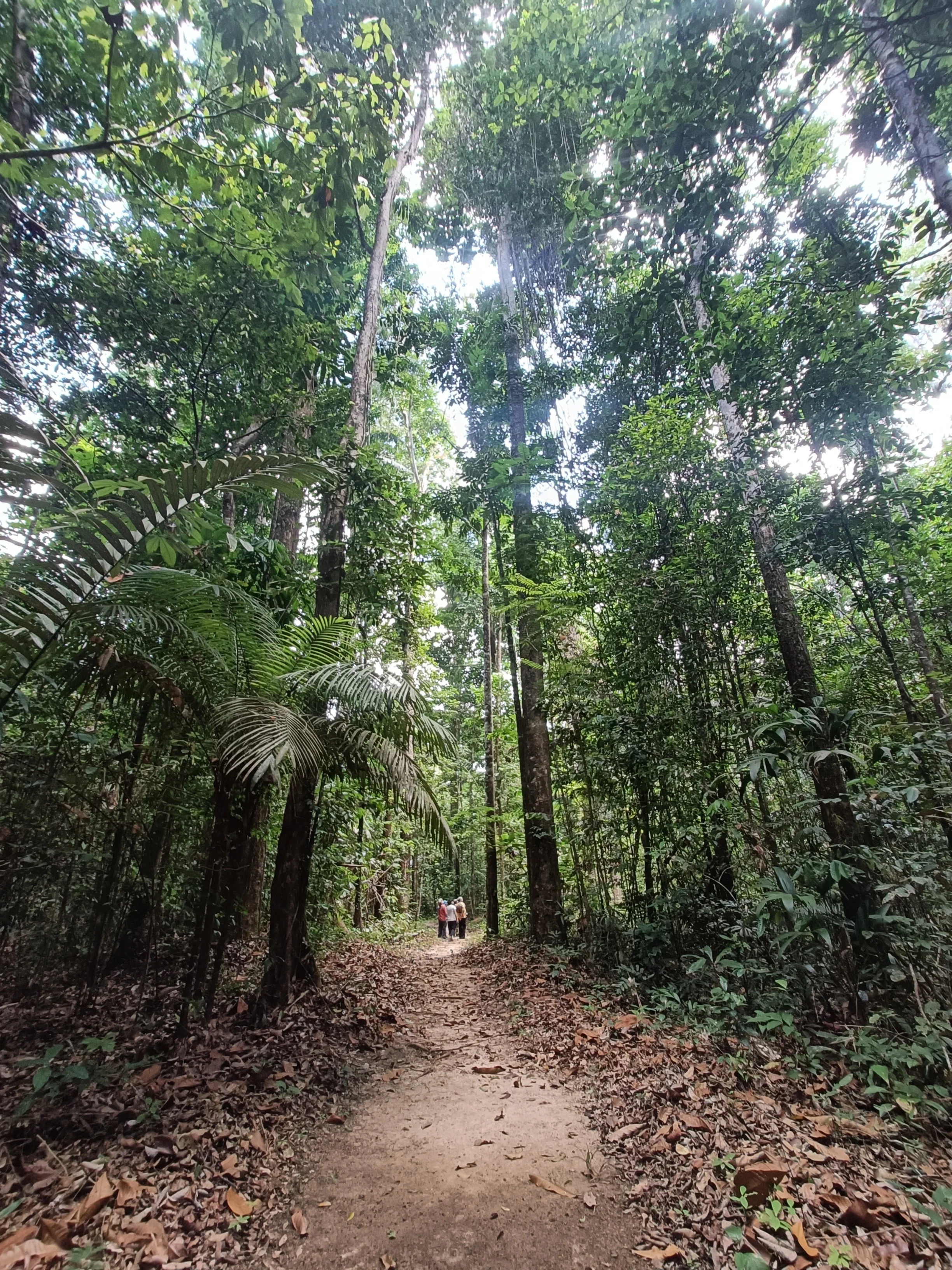
Forest trails at Atta

Red-shouldered Macaw

Great Horned Owl

White-headed Marsh Tyrant
Tour Location
Related Trips

Georgia and Armenia
Birds and Wildlife of the Caucasus

Spring in Southern Spain
Iberian Lynx and Migration

Borneo’s Wildlife
Sabah Rainforest Adventure