

Birding Down Under Expedition
— Remote Subantarctic Wildlife
Highlights
Visit seven unique and rarely visited New Zealand and Australian Subantarctic Islands
Head out in search of an incredible variety of wildlife from penguins to carnivorous plants, albatross to sealions
Expect eight species of penguin and twelve species of Albatross (it’s the world seabird hotspot!)
Listen to incredible tales of ship-wreck survival on these wild islands
Watch Southern Royal Albatross courting and incubating in their colonies
Explore on foot through the remarkable Rata forests home to Yellow-eyed Penguins, pupping New Zealand Sealions and Bellbirds
Enjoy the remarkable Megaherb flora with each island supporting a different assemblage
Search for the mythical Taiko, a critically endangered petrel
Explore some of the largest aggregations of penguins, fur seals and albatrosses on the planet
Visit the quirky Chatham islands where you can combine wildlife watching with exploring the local town.
Join an intimate group of Wild Discovery guests with Group Leader Rachael Iveson-Brown and Expedition Leader and Naturalist Dan Brown as you explore these remarkable islands aboard Heritage Adventurer.
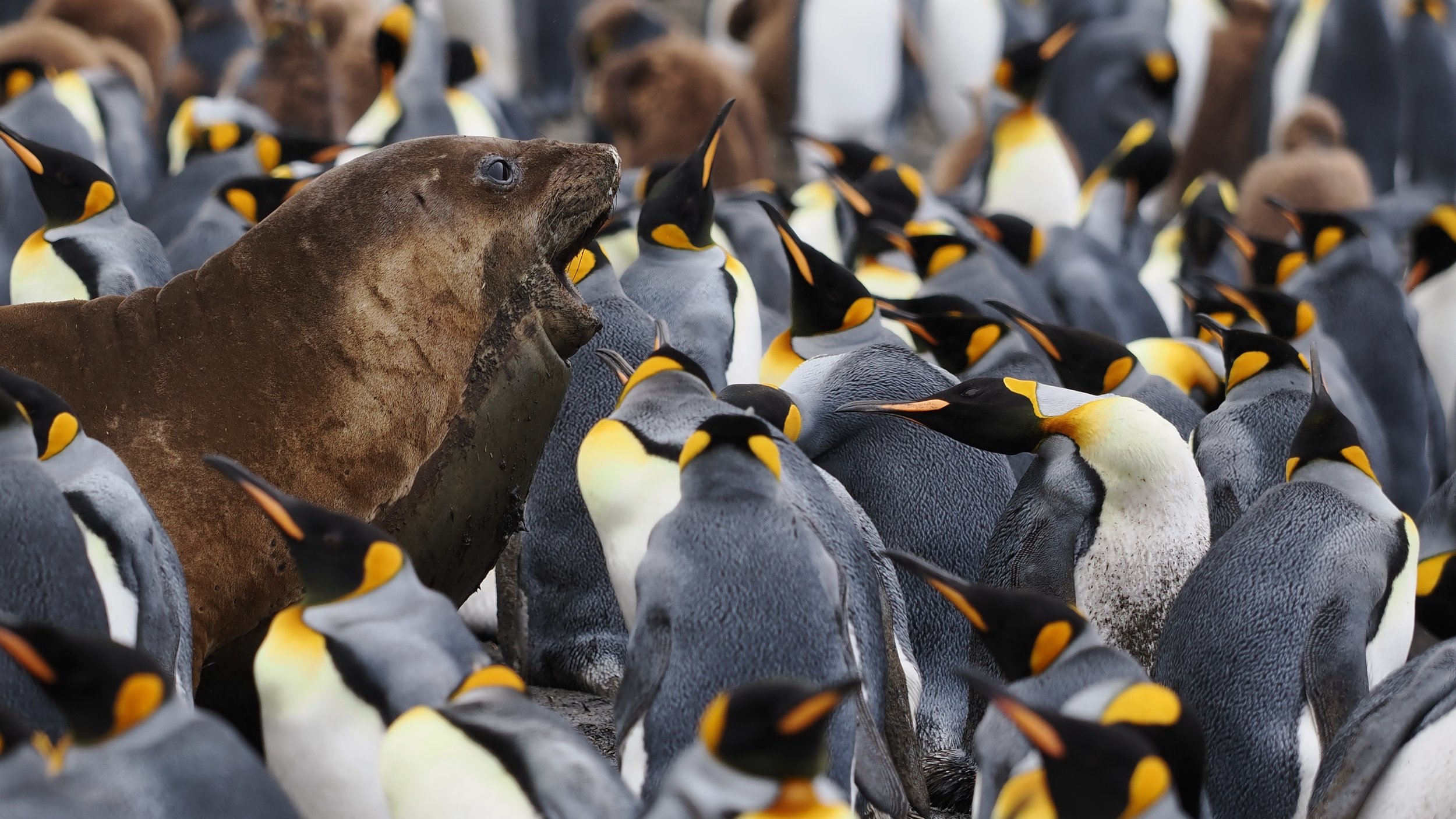
King Penguins and Southern Elephant Seal - Macquarie Island
Overview
Snares, Bounty, Antipodes, Auckland, Campbell, Macquarie, Chatham; pristine and near pristine islands visited by very few, home to an abundance of wildlife and situated in one of the wildest places on the planet. It is time to embark on one of the most unique journeys in wildlife travel: a voyage to islands that, bar the Chathams, are arguably more remote today than when sealers, whalers and government steamers first found their way to these shores in the late 1700s and early 1800s. This is the only voyage that brings all of these extraordinary islands together in one itinerary, run by our friends and trusted partners at Heritage Expeditions aboard the very comfortable and capable Heritage Adventurer. Dan and Rachael know these islands intimately and their expert knowledge, combined with skilled zodiac driving and leadership will get you to places that very few ever see.
These islands sit deep in the wild, weather-beaten latitudes of the Roaring Forties and Furious Fifties, better known to those who love them as the Albatross Latitudes. And rightly so: twelve of the world's albatross species breed here, five of them found nowhere else on Earth. This restless stretch of ocean, where the wind never quite settles, hosts the richest concentration of seabirds anywhere in the world; more than 40 breeding species, representing at least 11 per cent of the planet's entire seabird population and including a number endemic to this region.
With the exception of the Chathams, every island on this journey carries UNESCO World Heritage status, protected fiercely by the Australian and New Zealand governments. Landing here is a privilege, never a given and several islands within the Chatham archipelago hold similarly precious protection.
This voyage is built for enthusiasts of islands and extreme wildlife, penguin devotees and lovers of island endemics. Travellers are drawn to island ecology, botany, geology, photography, or the great human stories of ocean exploration have all found themselves utterly captivated.
Itinerary
Day 1: Queenstown
Guests should make their way to the designated hotel where we will spend the first night of the expedition. This evening there will be an informal get-together at the hotel for dinner; an excellent opportunity to meet fellow adventurers on your voyage and some of our expedition team.
Day 2: Port of Bluff
Today we enjoy breakfast in the hotel restaurant and have the morning free to explore Queenstown before returning to the hotel for lunch and departing for the Port of Bluff to embark your ship. You will have time to settle into your cabin and familiarise yourself with the ship; we will also take the opportunity to conduct a number of safety briefings. You are invited to join the expedition team in the Observation Lounge and up on the Observation Deck as we set our course to The Snares and our adventure begins.
Day 3: The Snares – North East Island
The closest Subantarctic Islands to New Zealand, they were appropriately called The Snares as they were once considered a hazard for sailing ships. Comprising of two main islands and a group of five islands called the Western Chain; they are uninhabited and enjoy the highest protection as Nature Reserves. It is claimed by some that these islands are home to more nesting seabirds than all of the British Isles together. We plan to arrive in the morning, and as landings are not permitted, we will Zodiac cruise along the sheltered eastern side of the main island if the weather and sea conditions are suitable. In the bays, we should see the endemic Snares Crested Penguin, Snares Island Tomtit and Fernbirds. There are hundreds of thousands of Sooty Shearwaters nesting on The Snares; the actual number is much debated. New Zealand Fur Seals can be found on rock platforms around the coast and there will be opportunities to view the forests of large tree daisies Macrolearia lyallii and Brachyglottis stewartiae which forms a canopy over much of the island group. After exploring this archipelago we will continue on our voyage south towards the Auckland Islands.
Day 4: Auckland Islands – Enderby Island
The Auckland Islands group was formed by two volcanoes which erupted some 10-25 million years ago. They have subsequently been eroded and dissected by glaciation creating the archipelago as we know it today. Enderby Island is one of the most beautiful islands in this group and is named after the same distinguished shipping family as one of our previous vessels. This northern most island in the archipelago is an outstanding wildlife and birding location and is relatively easy to land on and walk around. The island was cleared of all introduced animals (pests) in 1994 and both birds and the vegetation, especially the herbaceous plants, are recovering both in numbers and diversity. Our plan is to land at Sandy Bay, one of three breeding areas in the Auckland Islands for the Hooker’s or New Zealand Sea Lion, a rare member of the seal family. Beachmaster bulls arrive on the beach to gather harems and defend them from younger, ambitious males. Hooker’s or New Zealand Sea Lion numbers are in a slow decline and it is now regarded as the most endangered sea lion on the planet. During our day ashore there will be several options, some longer walks, some shorter walks and time to spend enjoying the wildlife. A boardwalk traverses the island to the dramatic western cliffs, from there the ‘long walkers’ will follow the coast and circumnavigate the island. Birds that we are likely to encounter include Southern Royal Albatross, Northern Giant Petrel, Auckland Island Shag, Auckland Island Teal, Auckland Island Banded Dotterel, Auckland Island Tomtit, Bellbird, New Zealand Pipit, Red-crowned Parakeet, Yellow-eyed Penguin and Light-mantled Albatross. There is also a very good chance of seeing the Subantarctic Snipe.
Day 5: At Sea
As we make our way through an area known as the Furious Fifties we will learn more about the flora and fauna as we prepare for our arrival at Macquarie Island. En route there are great birding opportunities which may include the Wandering Albatross, Southern Royal, Black-browed, Campbell, Light-mantled, Salvin’s and Grey-headed Albatross, Northern and Southern Giant Petrel, Sooty Shearwater and Subantarctic Little Shearwater, Fairy, Fulmar and Antarctic Prion. Other species to be on the lookout for include the Soft-plumaged, Mottled, White-headed and White-chinned Petrel, Grey-backed, Wilson’s and Black-bellied Storm-Petrel.
Days 6 to 7: Macquarie Island
The great Australian Antarctic Explorer Sir Douglas Mawson once called Macquarie Island “One of the wonder spots of the world.” You are about to discover why as we spend two days exploring this amazing Island. It was one of the first of the Subantarctic Islands to obtain World Heritage Status and that was largely due to its unique geology. It is one of the few places on earth where mid-ocean crustal rocks are exposed at the surface due to the collision of the Australian and Pacific Plates. The island was discovered in 1810 and was soon ravaged by sealers who introduced various animals including rats, mice, cats and rabbits. The native bird population was virtually eliminated and plants destroyed. The Tasmanian National Parks and Wildlife Service (which administer the island) recently embarked on a very ambitious eradication program which has been successful with a noticeable revival of plants and birds. Macquarie Island is home to four species of penguin, King, Royal (endemic), Gentoo and Eastern Rockhopper. During our visit we will land at two sites (subject of course to weather and sea conditions) and you will get a chance to see, observe and photograph all four species. Macquarie also has a large population of Southern Elephant Seals which in turn provide an important food source for Orca that patrol the coast.
Day 8: At Sea
At sea en route to Campbell Island and time to unwind after the adventures of Macquarie Island. Look for cetaceans and albatross, join a lecture or catch up on your photos and journaling.
Day 9: Campbell Island – Perseverance Harbour
Today we explore Campbell Island, New Zealand's southernmost Subantarctic territory, whose history is as rich as the other islands we visit. Discovered in 1810, it was occupied by sealers who introduced rats and cats, then farmed from 1895 to 1934. Coastwatchers were later stationed there during the war, and the site became a manned NZ Meteorological Service research station until 1995. Farm animals were removed by 1990, vegetation recovered, and cats died out naturally. In an unprecedented large-scale eradication programme, the Department of Conservation successfully removed the rats, clearing the way to reintroduce the endangered Campbell Island Flightless Teal and allowing Subantarctic Snipe to recolonise from nearby islets. The vegetation, which botanist Sir Joseph Hooker called a "Flora display second to none outside the tropics," is superb with a brilliant mix of Megaherbs present. We'll offer walking options from an extended trek to Northwest Bay to an easier route to Col Lyall Saddle, both offering time with nesting Southern Royal Albatross, just one of five species of albatross that breed on the islands, and we should also enjoy the Campbell Island Shag, another endemic species.
Day 10: At Sea
At sea en route to the Antipodes, it is a day for pelagic birding with over twenty species of tubenose possible.
Day 11: Antipodes Islands
The Antipodes group of islands is the most isolated and perhaps the least known of New Zealand’s Subantarctic Islands. Sealers lived here in the decades immediately after their discovery in 1806. The islands are of volcanic origin, but are heavily eroded and very dramatic, especially the western shoreline. The largest of the group is Antipodes Island. Landings are not permitted so we plan to cruise along the coastline by Zodiac where we have a good chance of seeing the Antipodes Parakeet, the largest of New Zealand’s parakeets. This species has an entirely green head. We will also look for the Reischek’s Parakeet, a subspecies of the Red-crowned Parakeet. Good views of both Erect-crested and Eastern Rockhopper Penguins can be expected along the coast where they often breed in mixed colonies and the same sections of coast can hold both New Zealand and Subantarctic Fur Seals.
Day 12: Bounty Islands
We arrive at the incongruously named Bounty Islands, the remote northernmost of the five New Zealand Subantarctic groups, discovered by Captain Bligh just months before the infamous mutiny. Here inhospitable granite knobs, tips of the submerged Bounty Platform, are lashed by the ocean. They are home to thousands of Salvin’s Albatross, Erect-crested Penguins, Fulmar Prions and the endemic Bounty Island Shag – the world’s rarest. We plan to arrive in the early morning and if conditions are suitable we will cruise by Zodiac around the granite outposts to take a closer look at the birds which breed there. New Zealand Fur Seals which were almost hunted to extinction in the Subantarctic Islands are present in large numbers. Sailing towards the Chatham Islands there are opportunities to see a good selection of birdlife. This could include more northerly species such as Cook’s, Pycroft’s and Black-winged Petrels and there is even the chance of Chatham Island Petrel and the Taiko, one of the rarest seabirds on the planet with a population of fewer than 150 birds.
Day 13: Pyramid Rock and South East Island
As we continue toward the Chatham Archipelago, there are excellent opportunities for pelagic birding today with similar species to the previous day as well as White-faced Storm-petrel and Broad-billed Prion. This afternoon we will cruise around spectacular Pyramid Rock, a basalt outcrop south of Pitt Island. This is the only breeding place of the Chatham Island Albatross. During the afternoon we arrive at South East Island. This has to be one of the world’s greatest nature reserves and landings are not permitted. However, we should obtain good views of the very rare New Zealand Shore Plover and Chatham Island Oystercatcher from the Zodiacs as we cruise along the coast. We should also see the Pitt Island Shag which nests on the island.
Day 14: Chatham Islands – Waitangi
The Chatham Archipelago consists of one large island and numerous smaller islands and rocky islets. Only two of the islands are inhabited. They represent New Zealand’s eastern most territory. The islands were originally settled by East Polynesians. In the 1400s the population became isolated and interestingly developed its own distinct culture. The islands were discovered by Europeans in the 1790s. Sealers and settlers followed and then in the 1830s Māori from New Zealand invaded killing and enslaving many of the indigenous people. Today we will visit one of the original private reserves established by a local family on the south coast of the main island where there is a very good chance to see the endemic Chatham Island Pigeon and Warbler. We will travel by local bus to the reserve. Near our landing in Waitangi there is a good chance of seeing the endemic Chatham Island Shag. This afternoon and evening we cruise back along the south coast where we hope to see the Taiko arriving back to the island at dusk.
Days 15 to 16: At Sea
En route to Bluff we will cross the Chatham Rise, a large, relatively shallowly submerged part of the Zealandia continent that stretches east from the South Island of New Zealand. Nutrient rich waters from the south mix with warm northern waters and there is an overlap between northern pelagic species and birds from southern latitudes, so we can expect great pelagic sightings. For those out all day between 20-30 species of tubenose are possible together with a substantial diversity of cetaceans which in this region can include some of the least known beaked whales on the planet. We will recap the highlights of our expedition and enjoy a farewell dinner tonight as we complete the last few miles of our journey.
Day 17: Invercargill/Queenstown
Early this morning we will arrive in the Port of Bluff. After a final breakfast we bid farewell to our fellow voyagers and take a complimentary coach transfer to either Invercargill or Queenstown Airports. In case of unexpected delays due to weather and/or port operations we ask you not to book any onward travel until after midday from Invercargill and after 3pm from Queenstown.
Note: During our voyage, circumstances may make it necessary or desirable to deviate from the proposed itinerary. This can include poor weather and opportunities for making unplanned excursions. Your Expedition Leader will keep you fully informed. Landings at the Subantarctic Islands of New Zealand are by permit only as administered by the Government of New Zealand. No landings are permitted at The Snares, Antipodes or Bounties.
Date: 1st to 17th December 2027
Prices (per person)
Further detail about each type of suite is provided below the table.
| Cabin Type | Availability | Price Per Person (GBP) |
| Main Deck Single Suite (sole occupancy) | 1 Suite remaining | £19,695 per person |
| Superior Single Suite (sole occupancy) | 1 Suite remaining | £21,995 per person |
| Superior Deck 4 Suite (Double/twin) | 2 Suites | £16,650 per person* |
| Superior Deck 5 Suite (Double/twin) | 2 Suites | £17,175 per person* |
| Worsley Suite (Double/twin) | 1 Suite remaining | £22,150 per person |
* Sharing is available in Superior Deck 4 Suites, Superior Deck 5 Suites only.
If a single suite is not available but you would still prefer a suite to yourself please contact us for the price.
Price is per person provided in Great British Pounds Sterling.
Main Deck Single Suite £19,695
Main Deck Single Cabins on Deck 3 are a spacious 22m2 in size and feature two porthole windows, king bed, lounge area, writing desk, private en-suite bathroom with shower, ample storage and a flat screen entertainment system. Size: 22m2 (235.SqFt)
Superior Single Suite £21,995
Superior Single Cabins on Deck 5 are a spacious 22m2 and feature large panoramic windows, king bed, lounge area, writing desk, private en-suite bathroom with shower, ample storage and a flat screen entertainment system. Size 22m2 (235.SqFt)
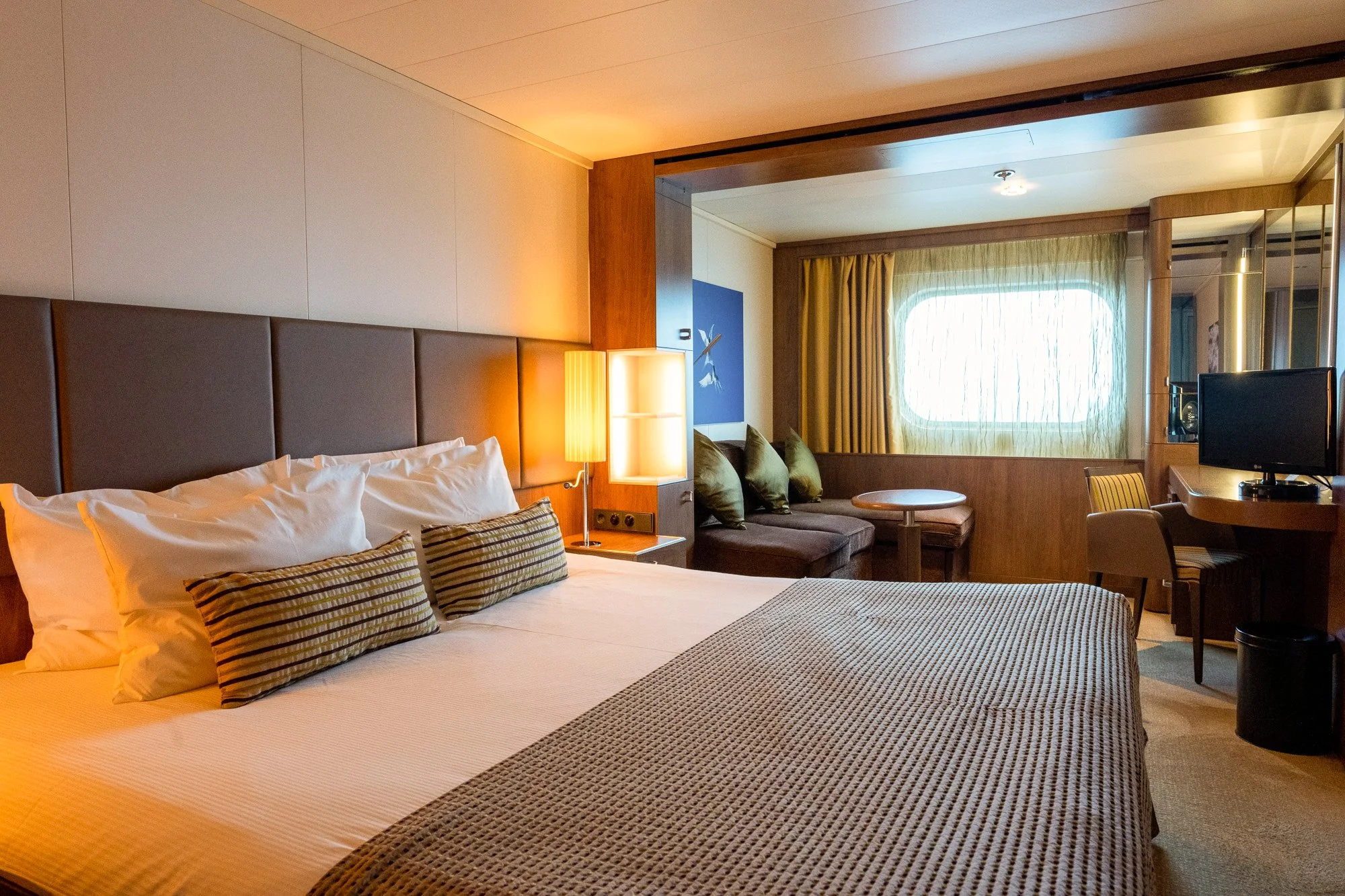
Superior Deck 4 Suite £16,650*
Superior Cabins on Deck 4 are a spacious 22m2 and feature large panoramic windows, king or two single beds, lounge area, writing desk, private en-suite bathroom with shower, ample storage and a flat screen entertainment system. Size: 22m2 (235.SqFt)
Superior Deck 5 Suite £17,175*
Superior Cabins on Deck 5 are a spacious 22m2 and feature large panoramic windows, king or two single beds, lounge area, writing desk, private en-suite bathroom with shower, ample storage and a flat screen entertainment system. Size: 22m2 (235.SqFt)
Worsley Suite £22,150
Located on Deck 6, Worsley Suites are a spacious 22m2 and feature large panoramic windows, king or two single beds, comfortable chaise-style lounge suite, writing desk, private en-suite bathroom with shower, ample storage and a flat screen entertainment system. Size: 22m2 (235.SqFt)
What’s included?
Expert services of a designated group leader as well as the full Heritage Expeditions lecture and expedition staff
Day 1 - One night hotel accommodation (incl. dinner/breakfast) Queenstown, New Zealand
Welcome reception in Queenstown hotel
Day 2 - Transfer to the ship, Heritage Adventurer
All on board ship accommodation with meals, house beer, wine and soft drinks served with dinner and lunch
Two 10GB wifi vouchers
24 hour tea, coffee and biscuits available on board
All expedition shore excursions
Programme of lectures by noted naturalists
Discovery landing fees
Post-cruise transfer to either Invercargill or Queenstown Airports
Two native trees planted on your behalf in our woodland grove
What’s not included?
Travel/flights before or after tour start/end
Trip cancellation insurance, cruise-specific insurance or any other travel insurance
Visas
Standard alcoholic beverages at times outside of those stated in ‘What’s Included’
Premium alcoholic beverages
Other items of a personal nature, e.g. laundry, souvenirs, etc.
Kayaking
For full details of our Booking Conditions click here and complete the online booking form.
Both Rachael and Dan will be members of the Expedition Team on board Heritage Adventurer. If a minimum number of bookings of 10 guests is achieved then Rachael will be your dedicated Wild Discovery group leader. In addition to Dan and Rachael there is a wider Expedition team, including bird, wildlife and history guides, employed by Heritage Expeditions who are there to assist everyone.
For all our tours and expedition cruises we work very closely with a dedicated agent Sacha Barbato, at Travel Counsellors. He is essentially now our “in house” flight consultant and we recommend using him for your flights. You can read about the services he offers and his contact details in our blog post link here.
Your Ship

M/V Heritage Adventurer
Length 124m
Built 1991
Passenger capacity 140
Zodiac fleet 14
Gallery
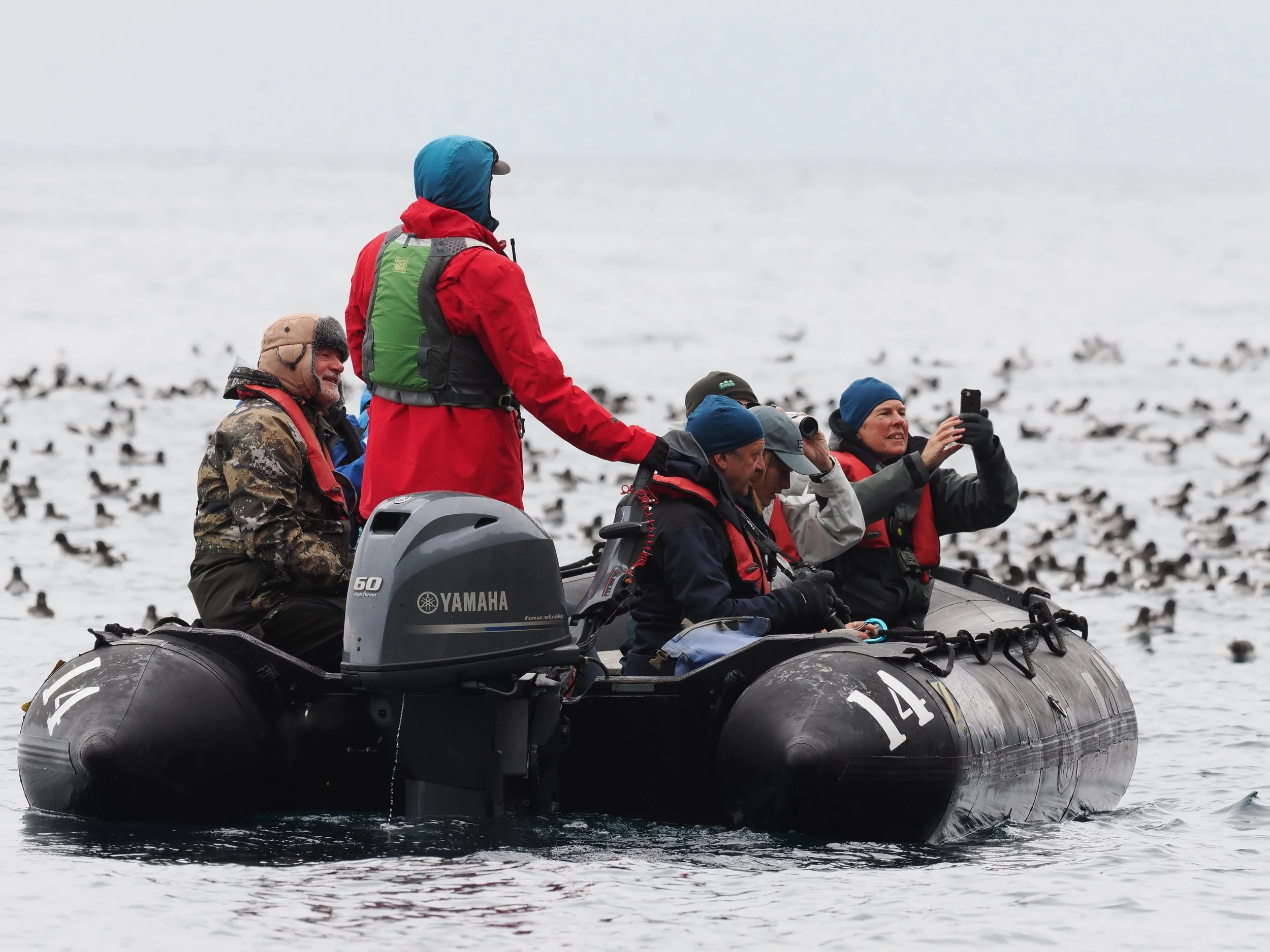
Zodiacing around the Snares amongst Cape Petrels

Snares Fernbird

Snares Crested Penguins and New Zealand Fur Seal
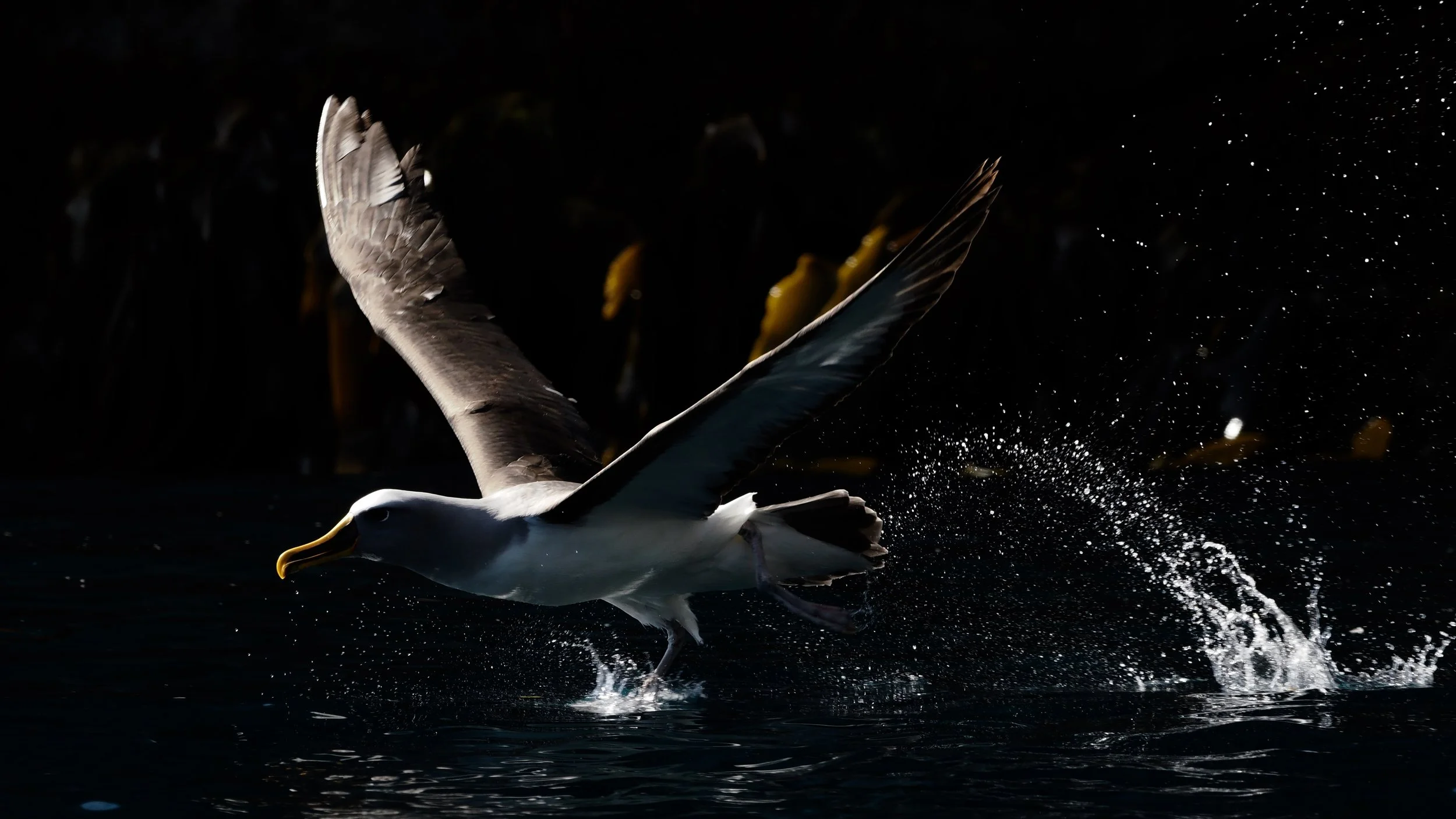
Buller's Albatross

Snares Tomtit
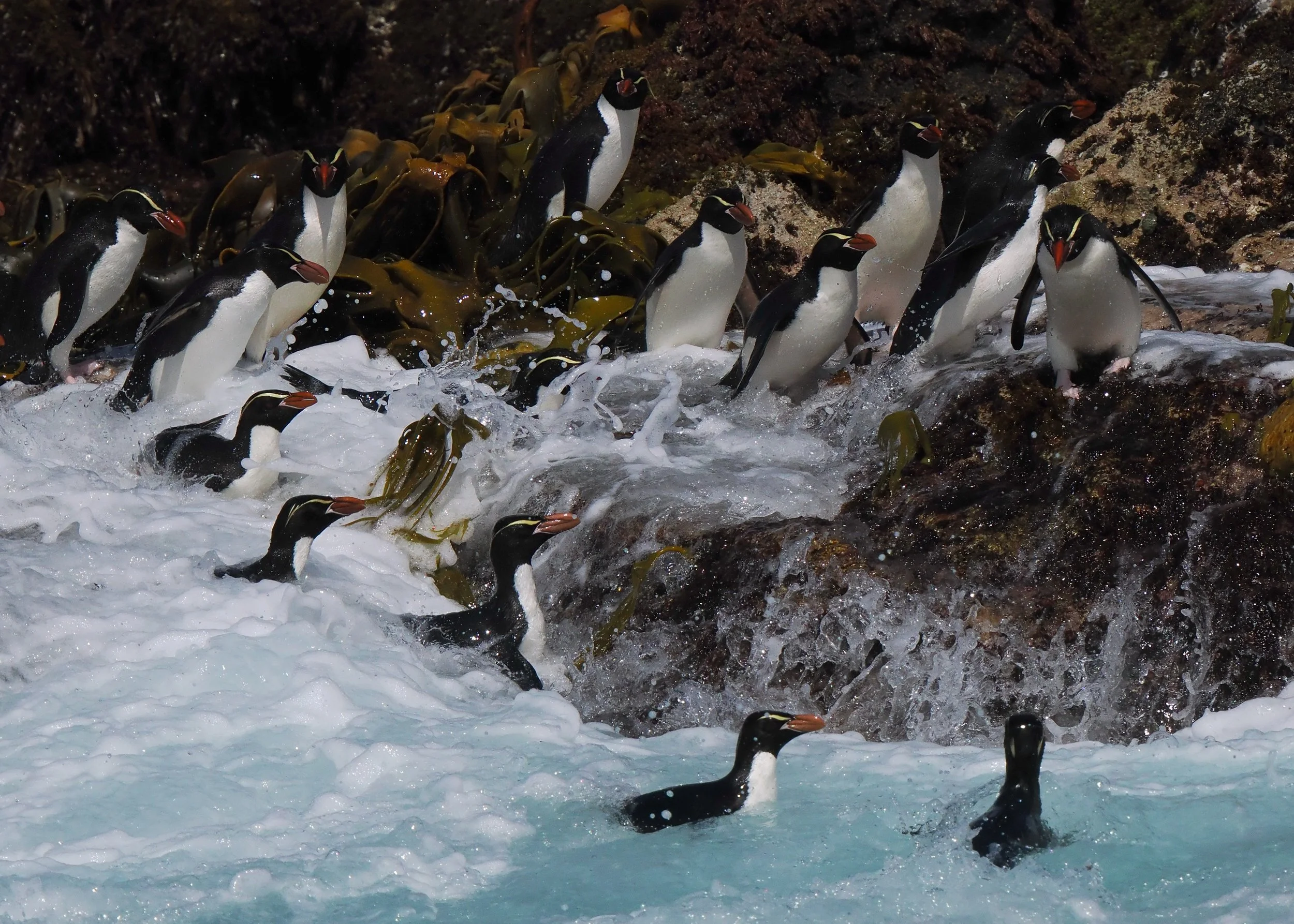
Snares Crested Penguins exiting the ocean

The Rata in flower on Enderby Island

Subantarctic Snipe found of Enderby and Campbell Islands

Yellow-eyed Penguins on Enderby Island
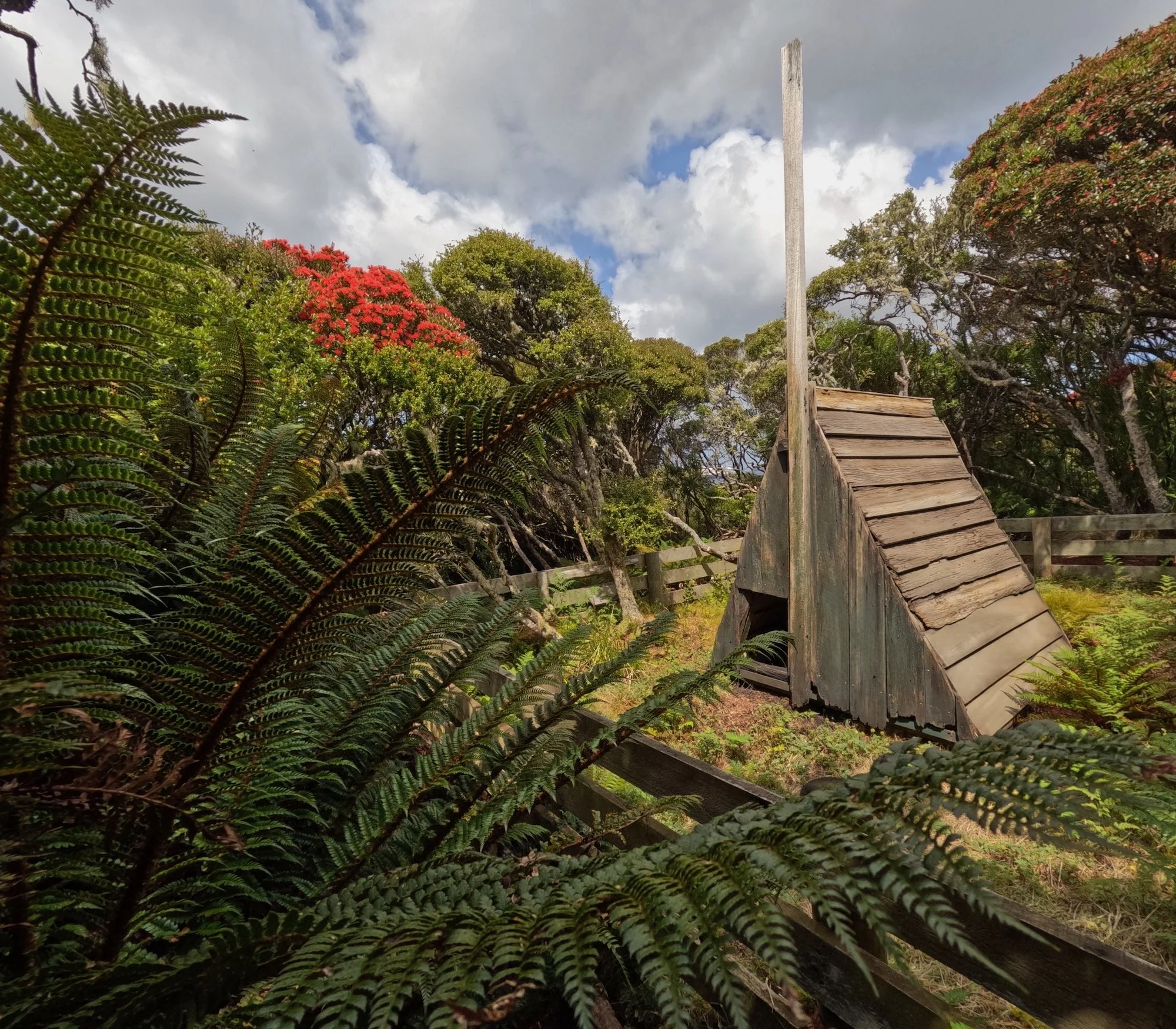
The Stella Hut, a refuge for ship wrecked sailors on Enderby

New Zealand Sea Lions on Enderby Island
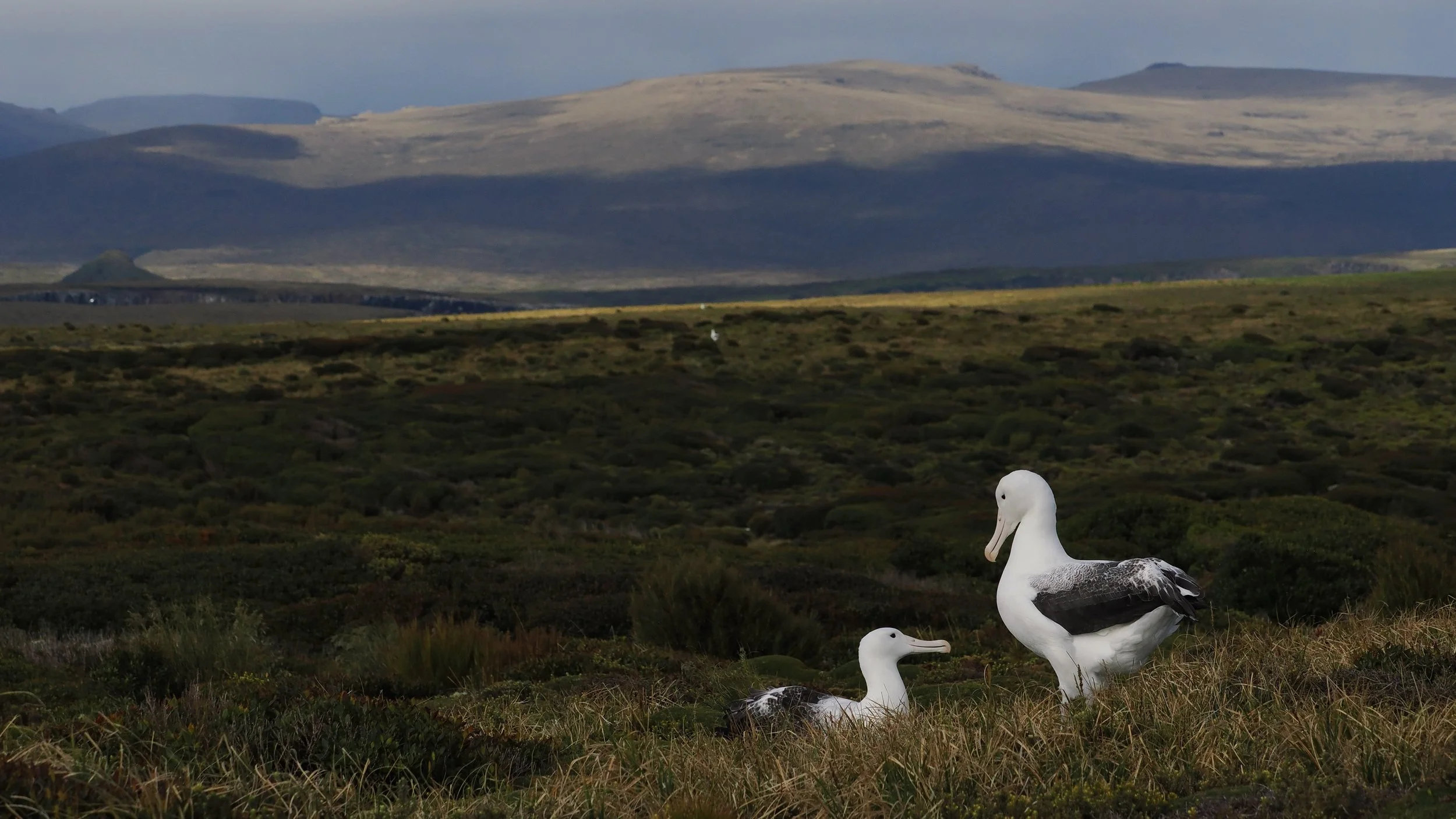
Southern Royal Albatross on Enderby Island

New Zealand Falcon, Enderby Island

New Zealand Sea Lion

Auckland Island Teal
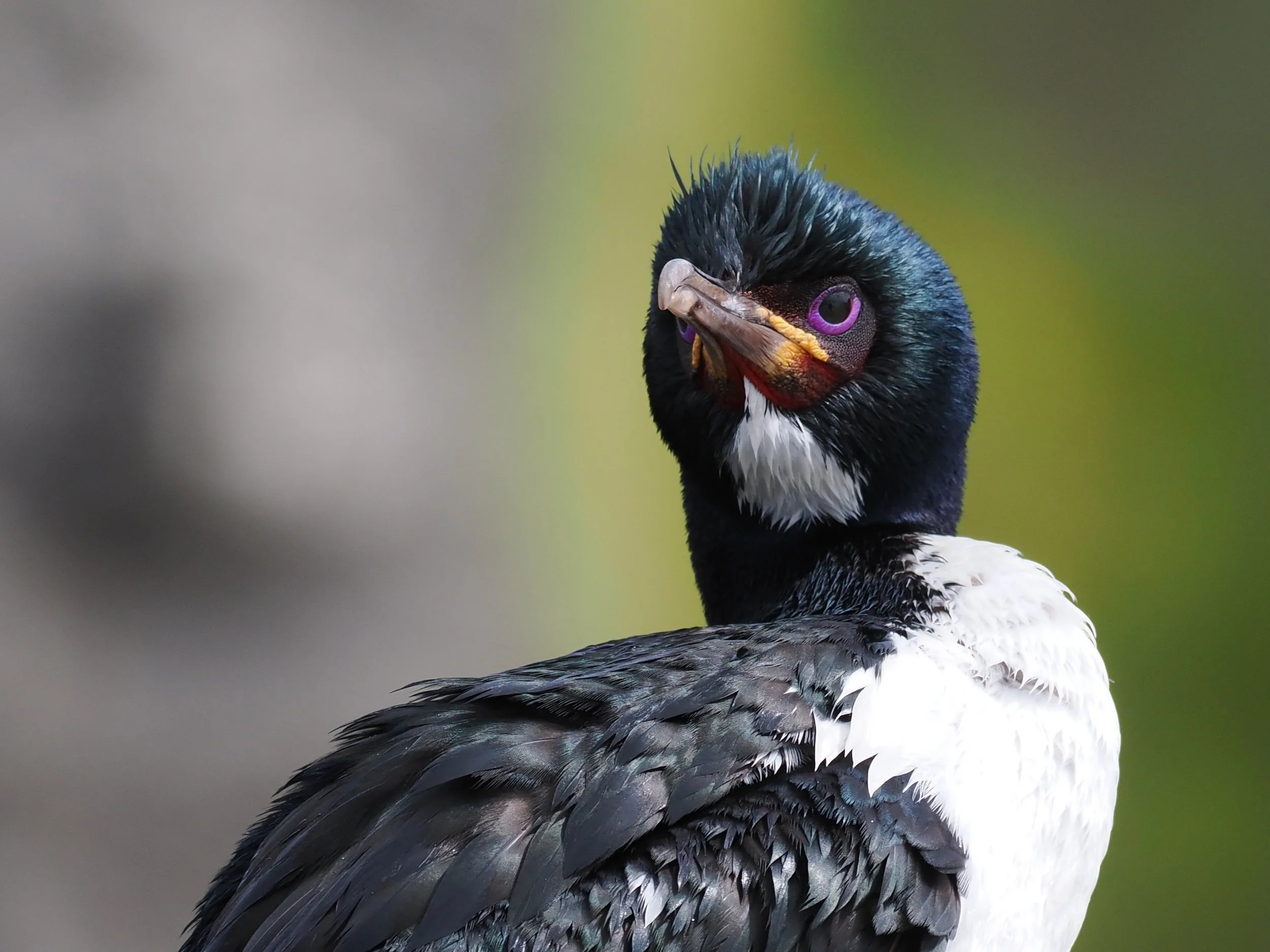
Auckland Island Shag

Auckland Island Tomtit

Taiko, also known as Magenta Petrel on the Chathams
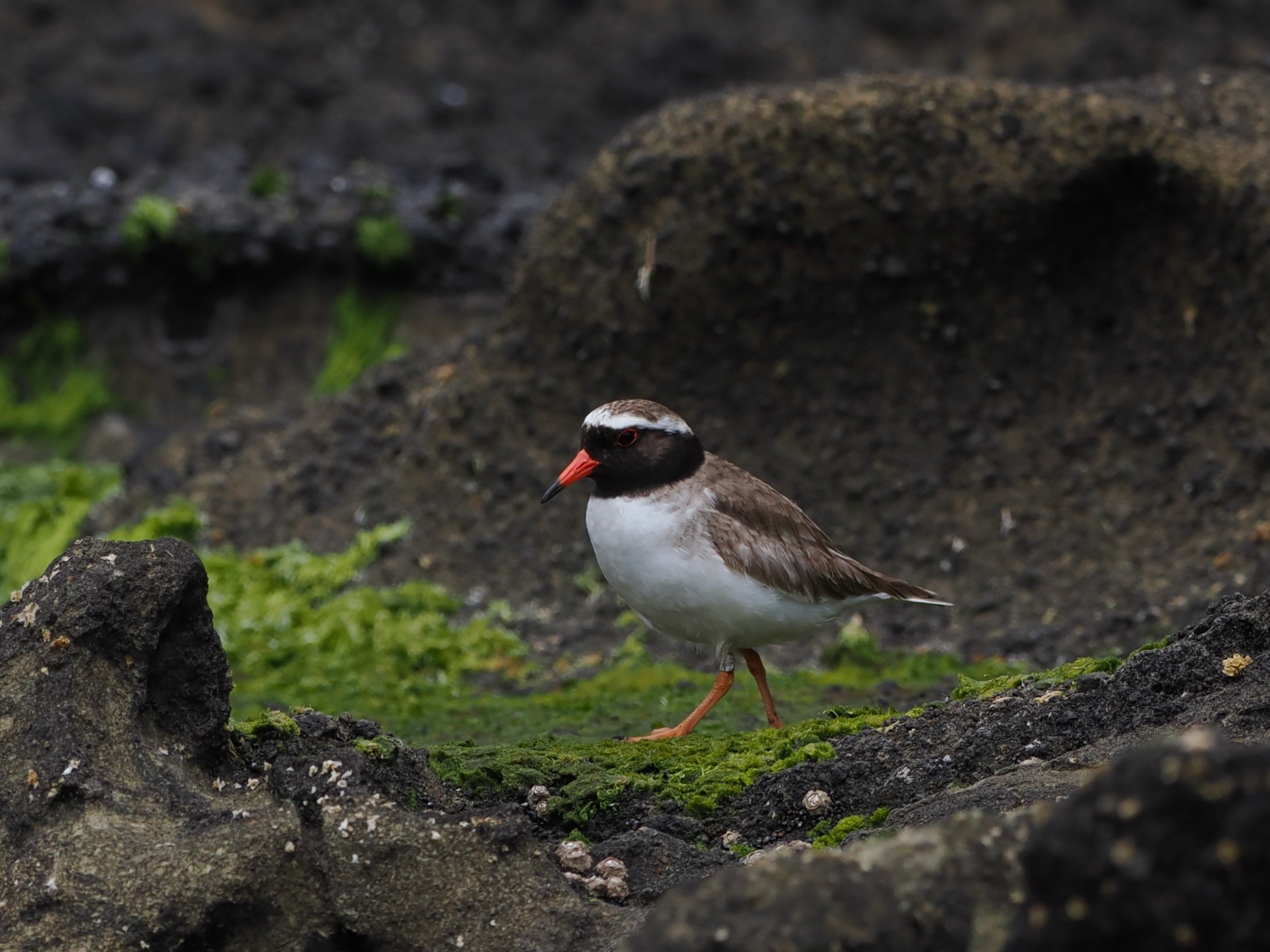
Shore Plover can be seen on Southeast Island

Pit Shag

Chatham Pigeon

Chatham Oystercatcher

Buller's Albatross

Chatham Albatross
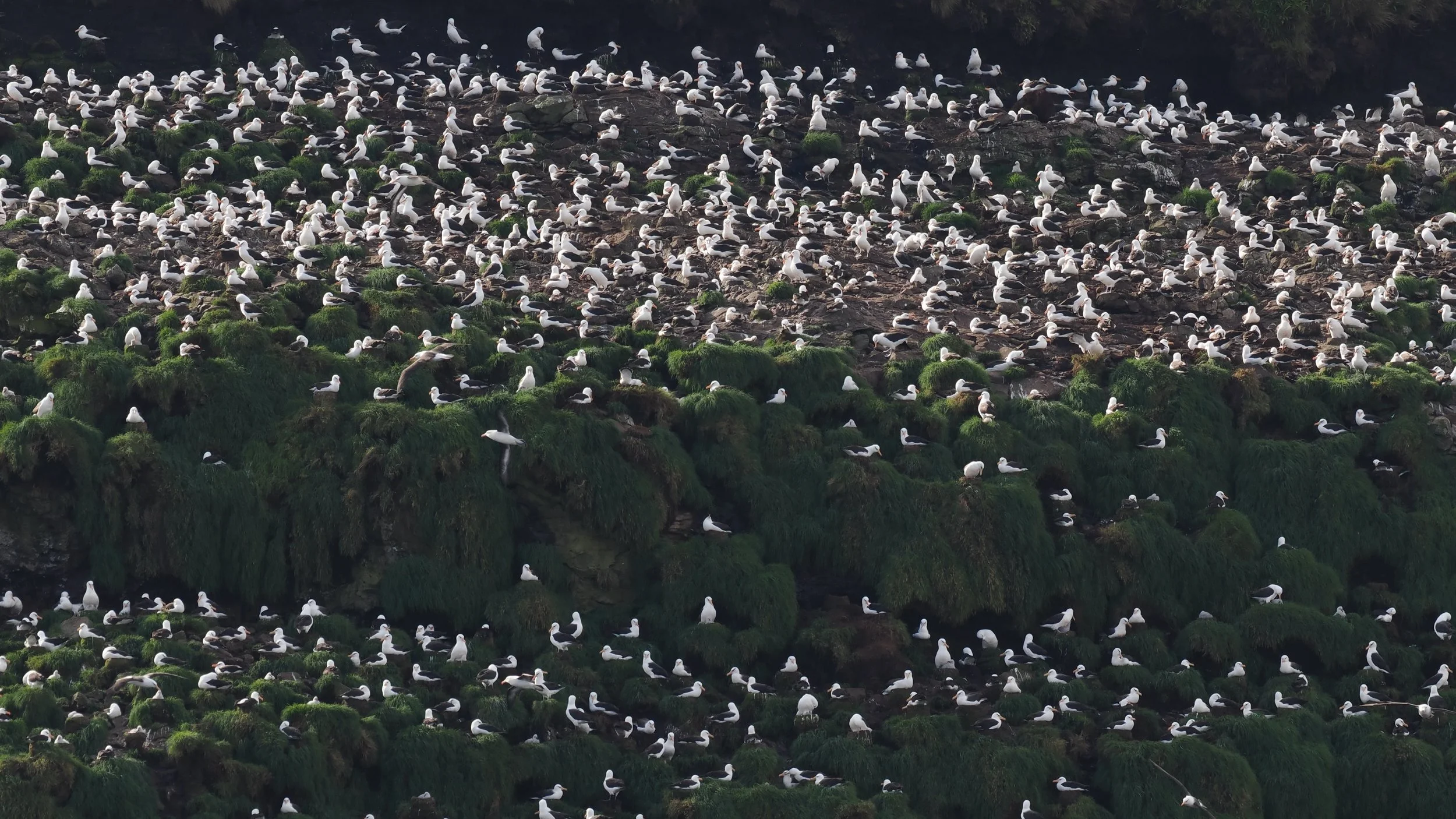
Campbell Albatross colony

Southern Royal Albatross on Campbell Island

Campbell Island Shag

Campbell Island Teal

Bounty Islands and Salvin's Albatross

Fulmar Prion and Erect-crested Penguin

Bounty Shag
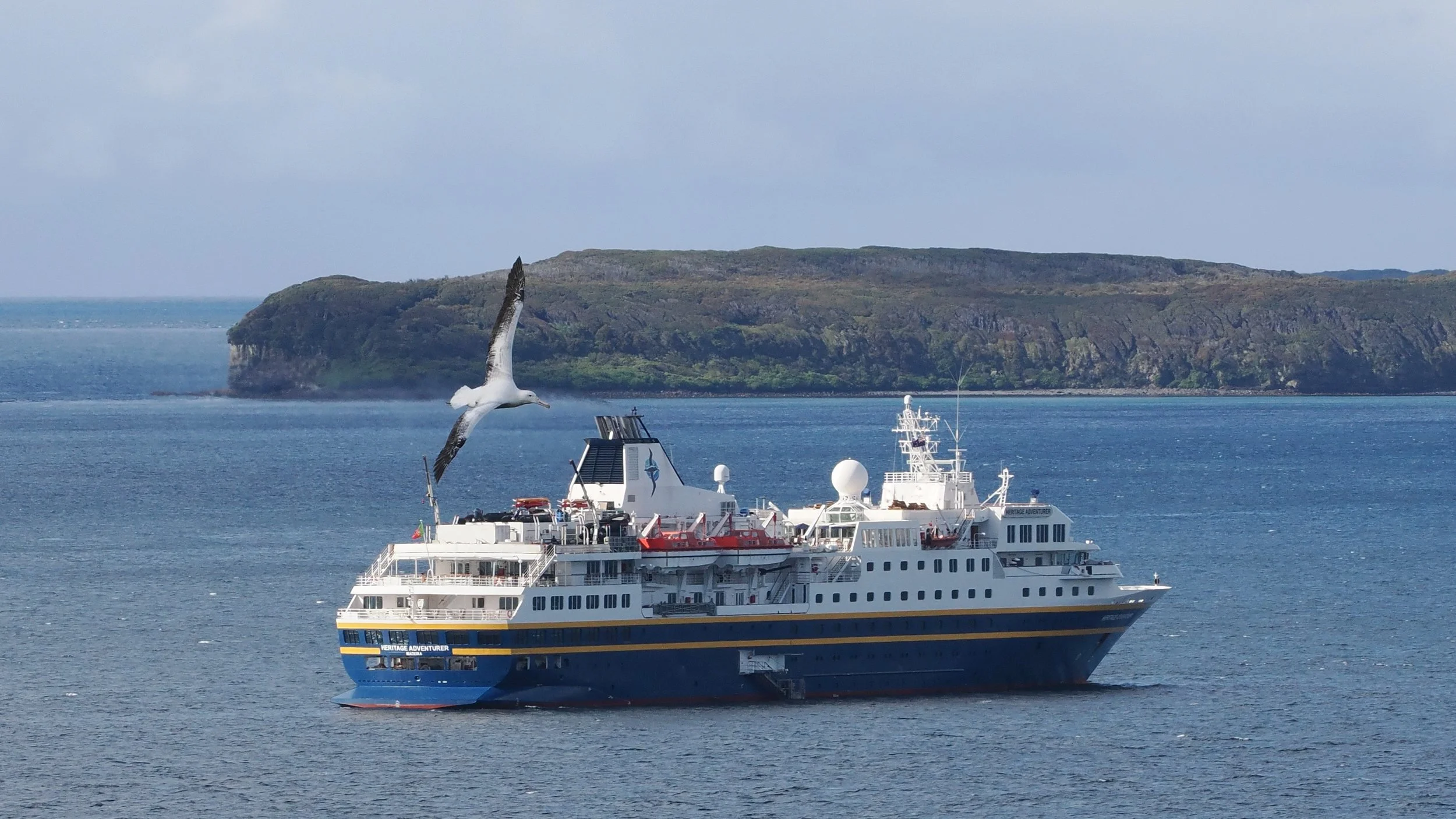
A Southern Royal Albatross in front of our ship Heritage Adventurer
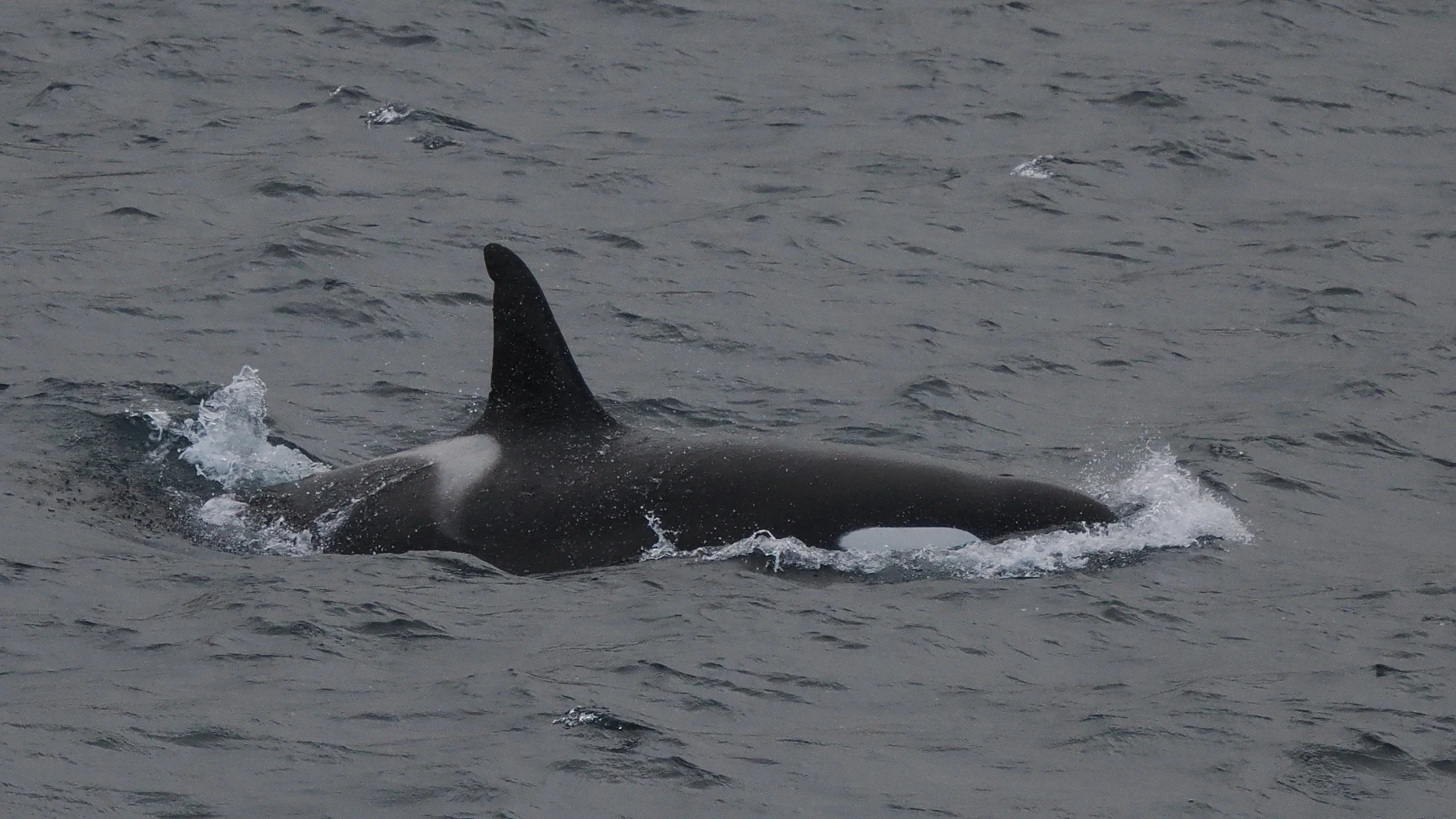
Orca are possible especially around Macquarie Island
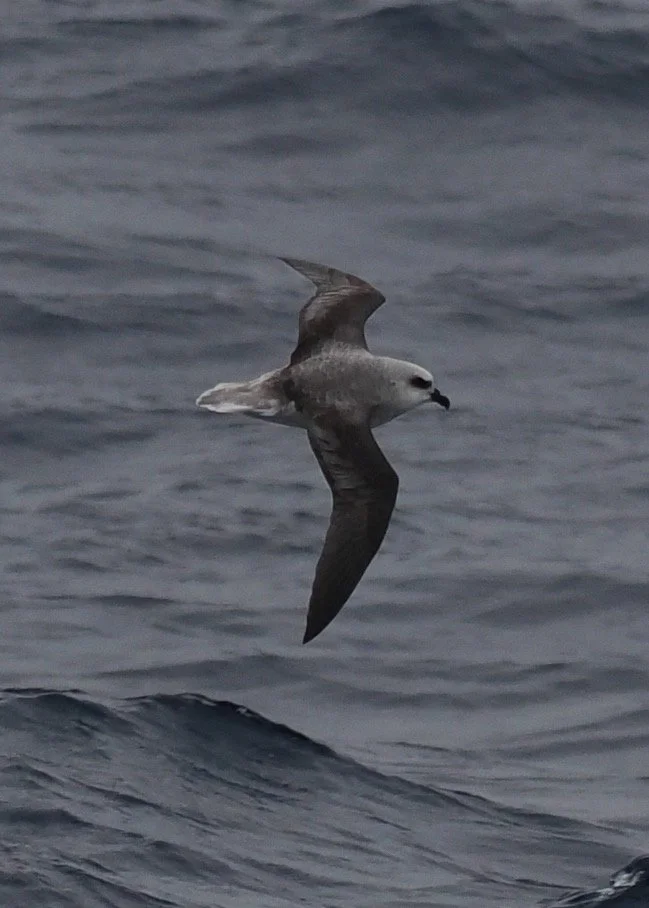
White-headed Petrel

Antipodean Albatross are easily seen around the Antipodes

Erect-crested and Eastern Rockhopper Penguins watching the zodiacs

Antipodean Parakeet (together with Reischek's) can be seen on the Antipodes

Eastern Rockhopper Penguins on Macquarie island
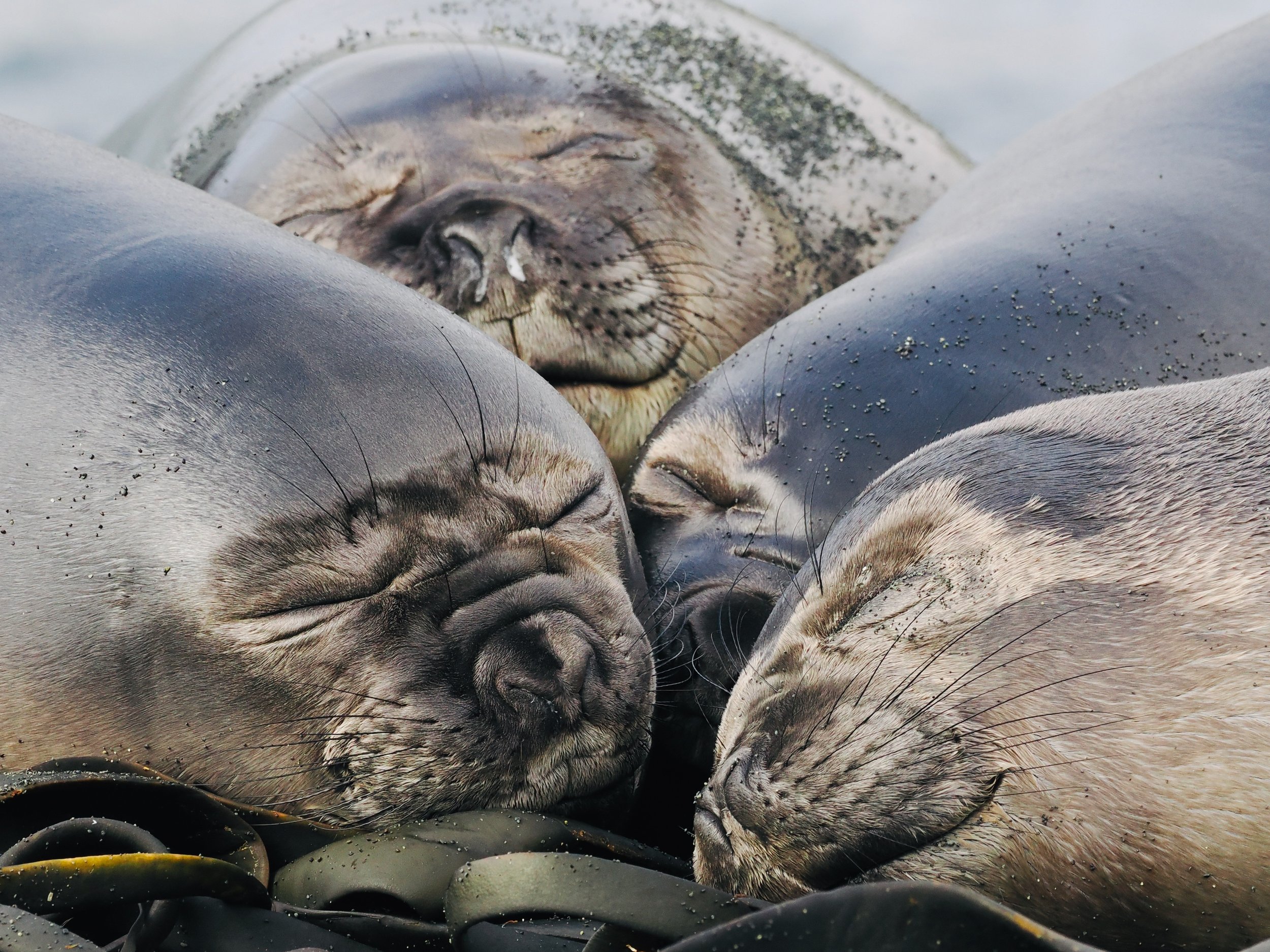
Elephant Seal pups cluster together

A near adult Elephant Seal on Sandy Bay, Macquarie Island
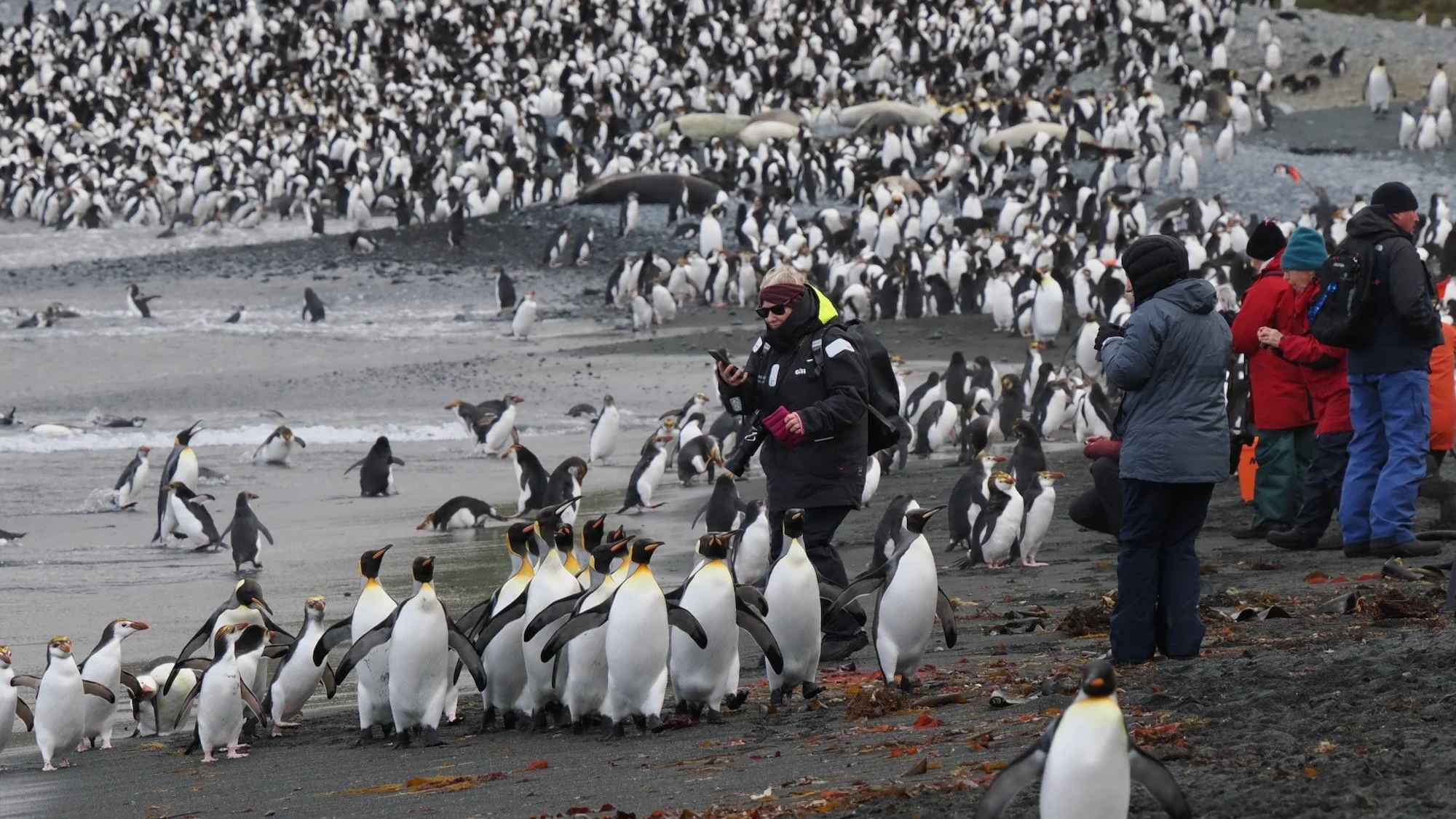
Enjoying the wildlife spectacle on Macquarie
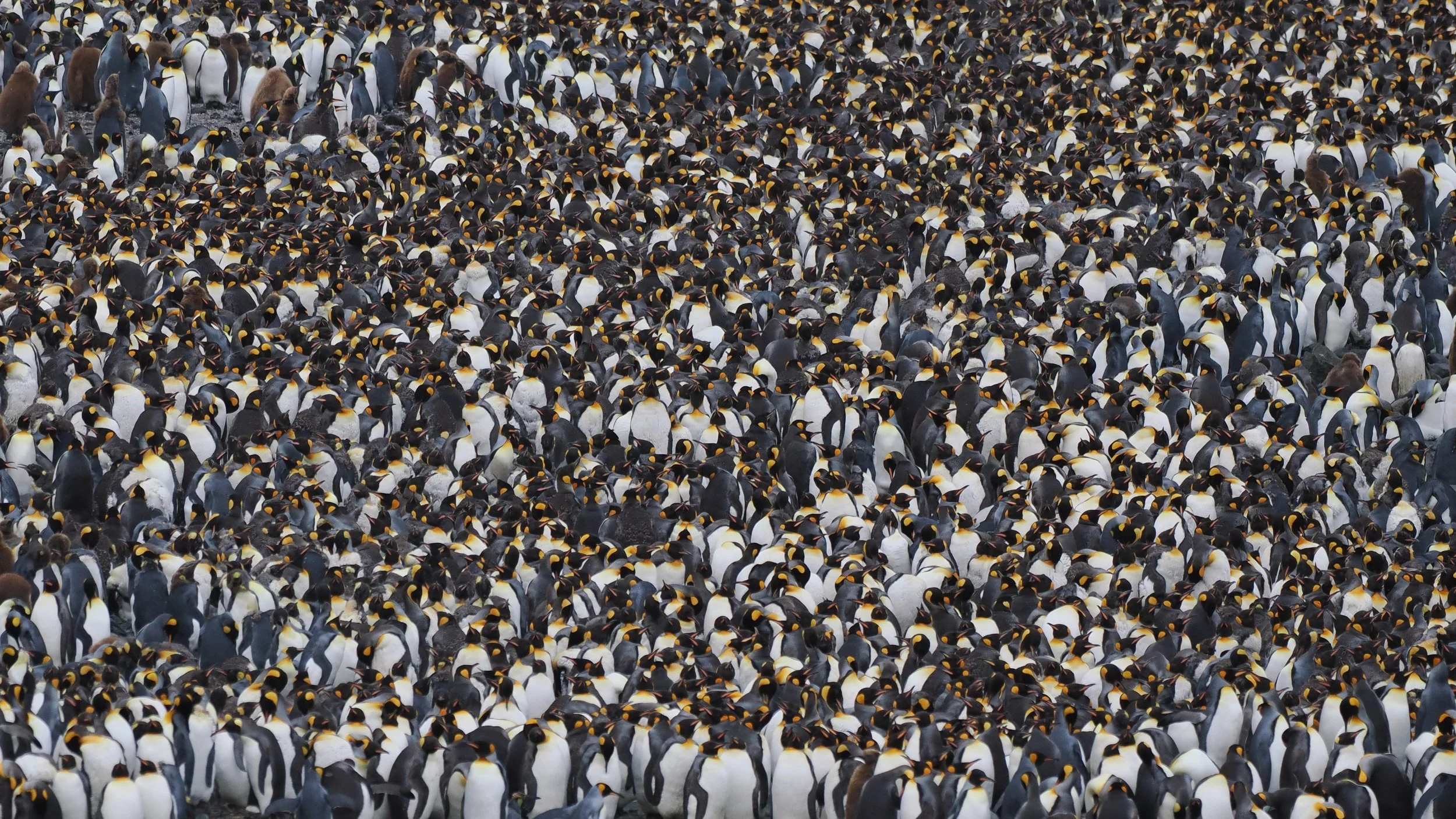
King Penguins galore on Macquarie Island
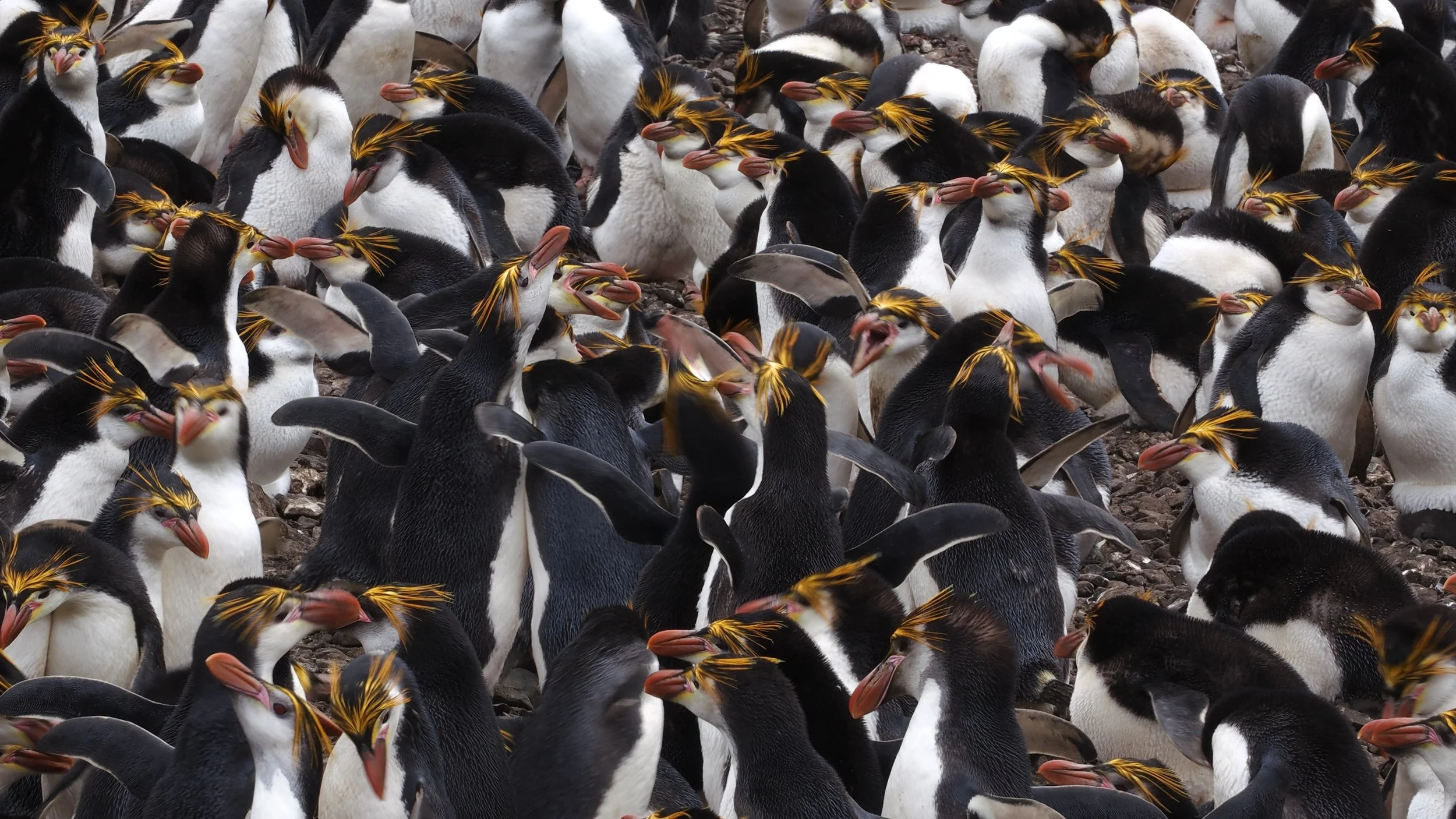
Royal Penguins are endemic to Macquarie
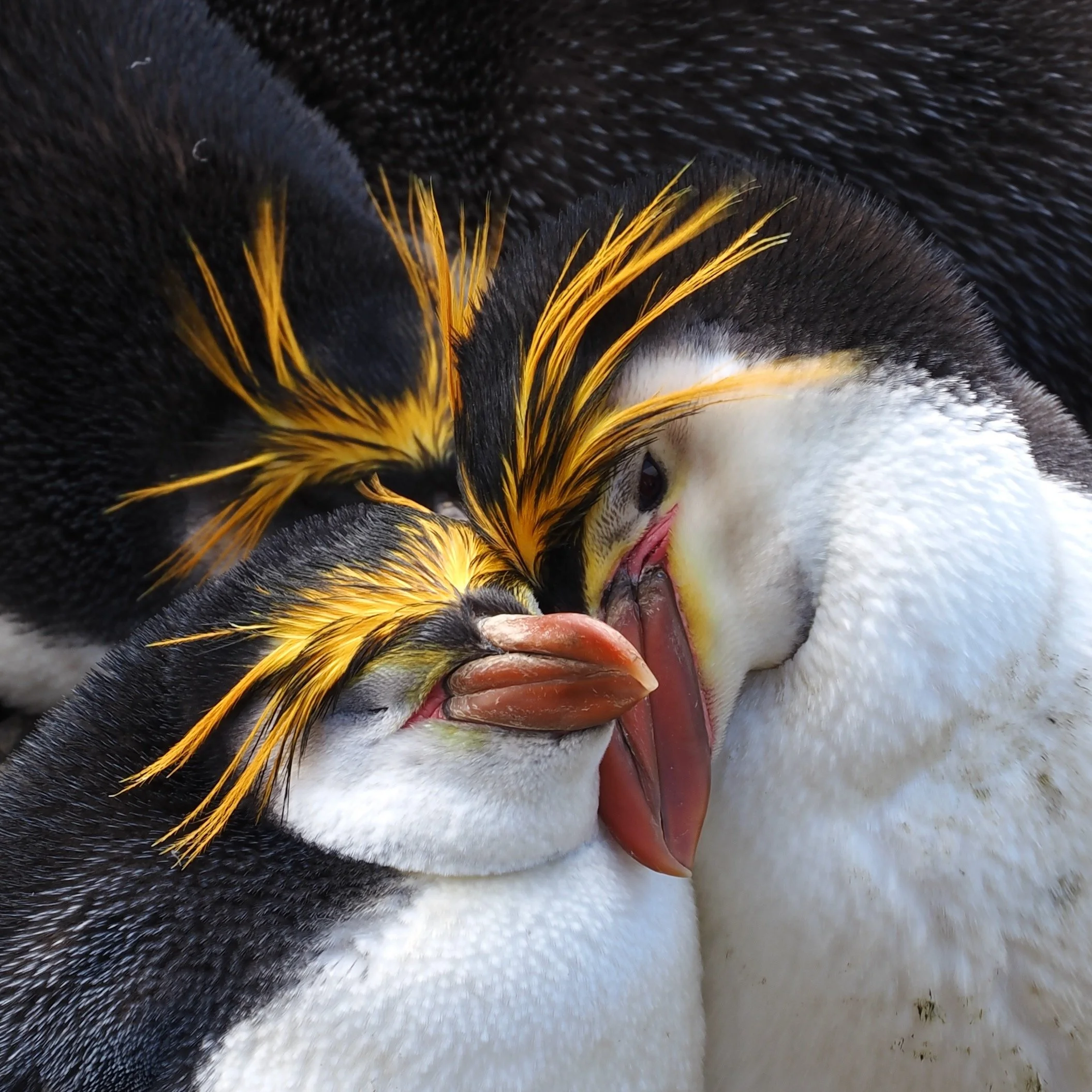
Royal Penguins

One of the megaherbs; Pluerophyllum hookeri

King Penguin

Elephant Seals on the beach at Sandy Bay

Heritage Adventurer Deck Plan
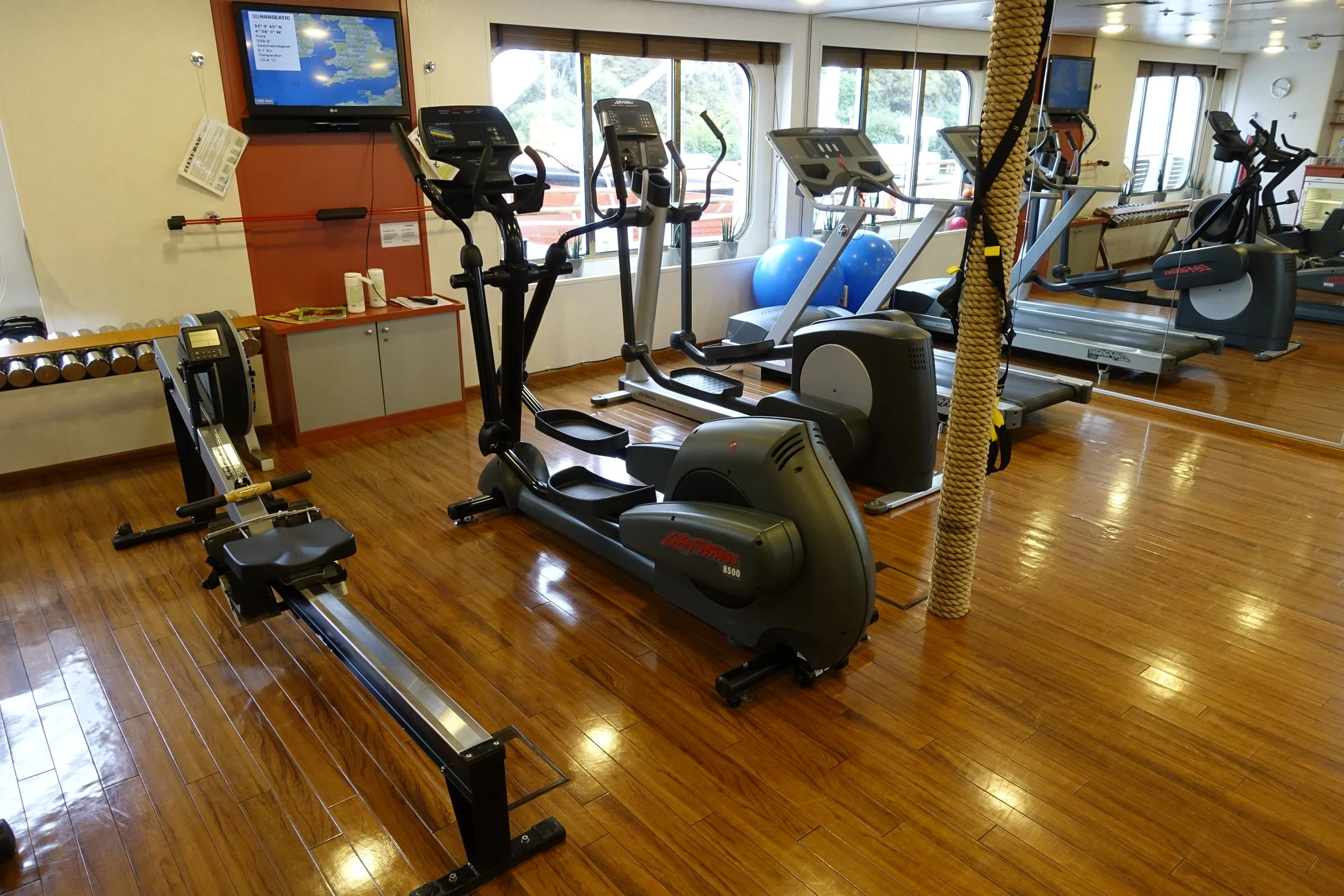
Gym
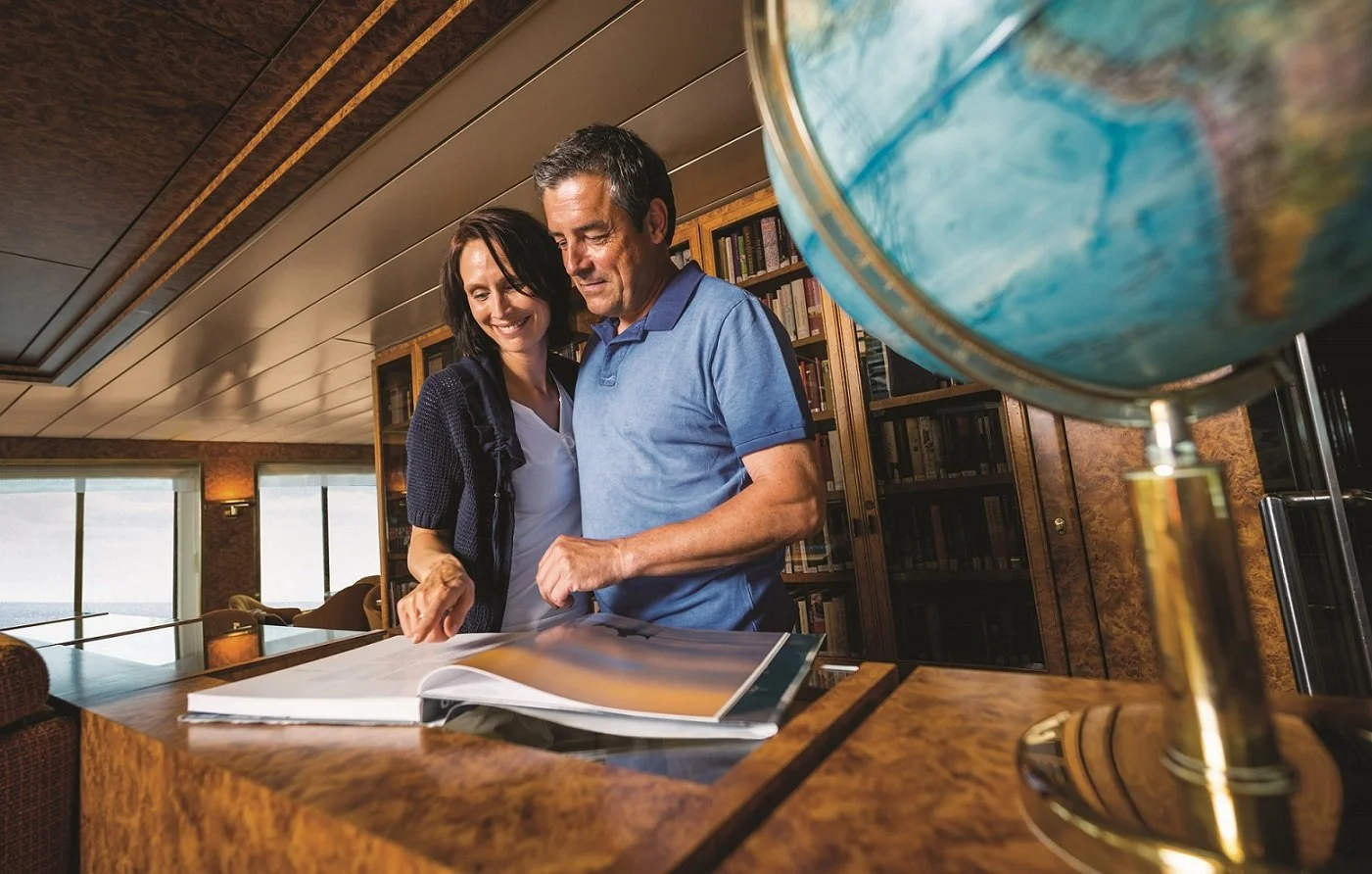
The ship has a well-stocked Library
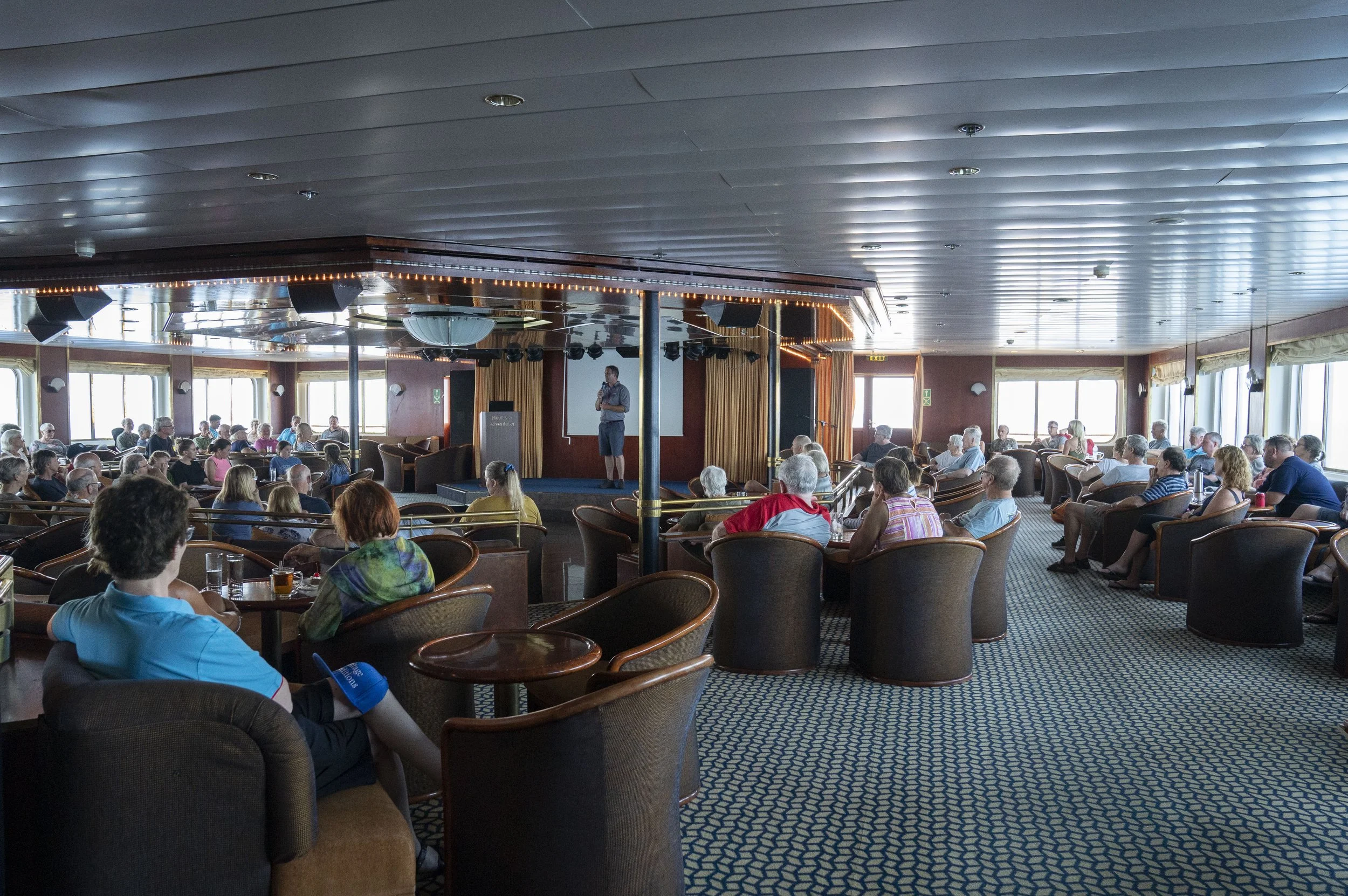
Lounge
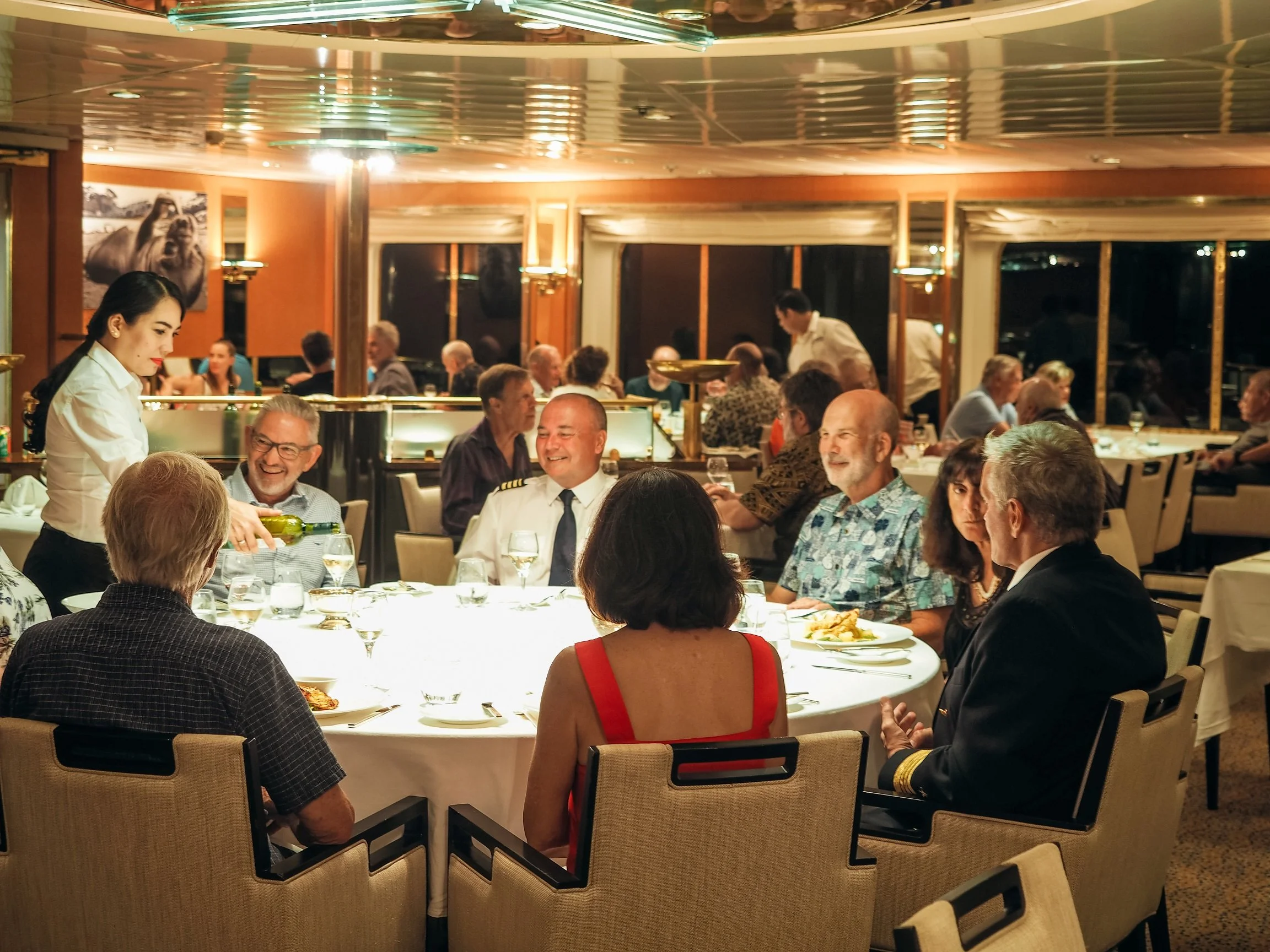
DIning Ro
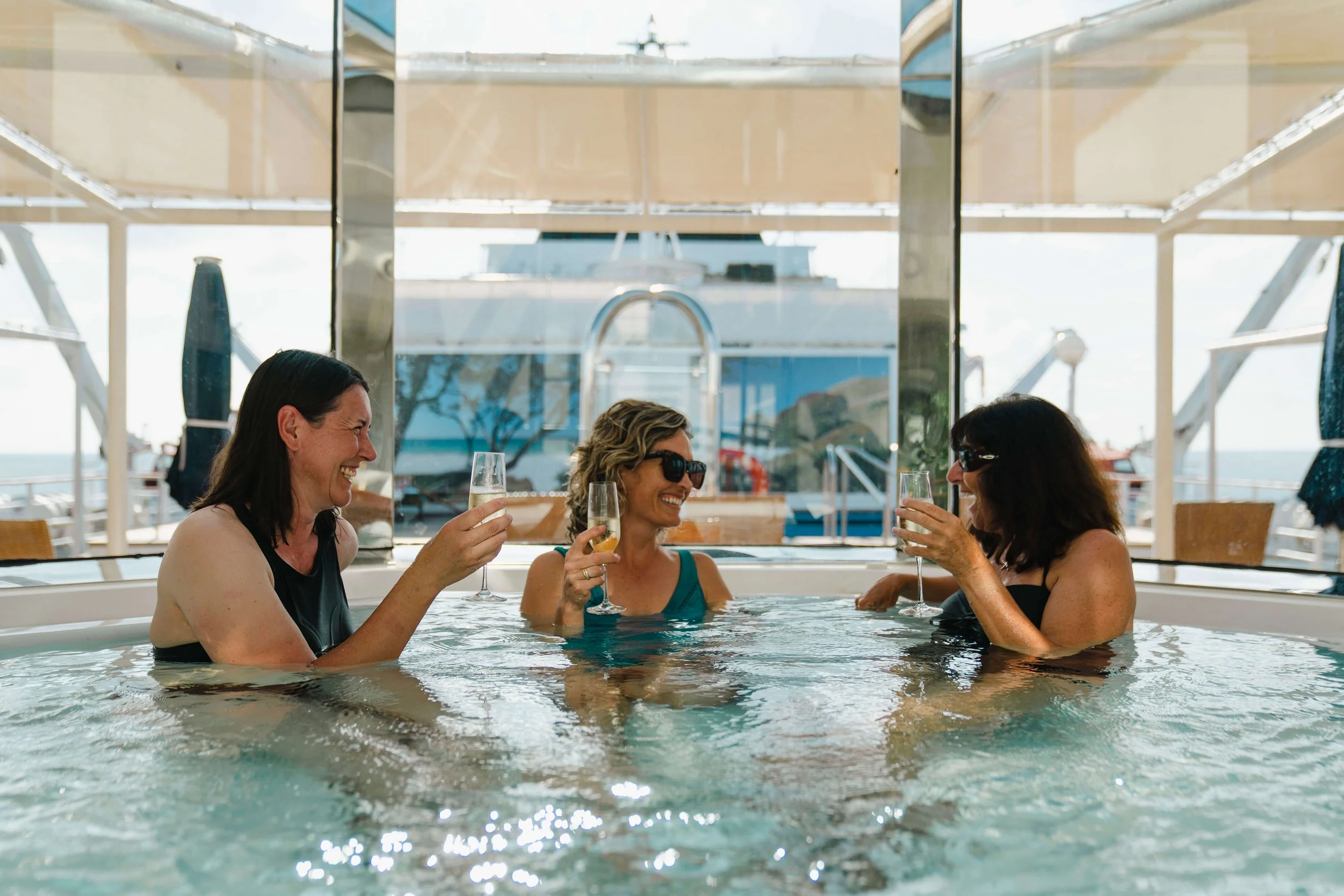
Jacuzzi
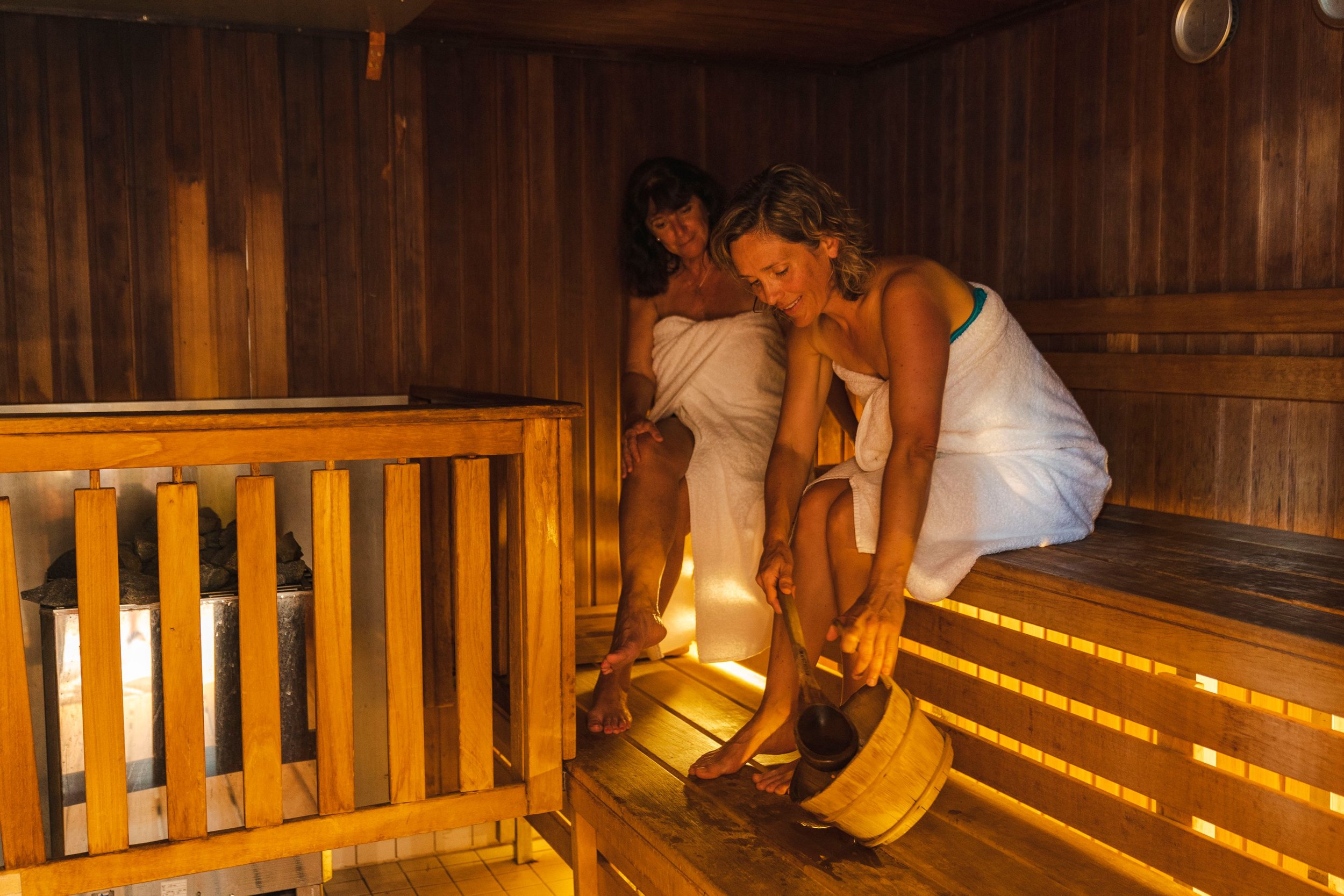
Sauna
Tour Location
Related Trips
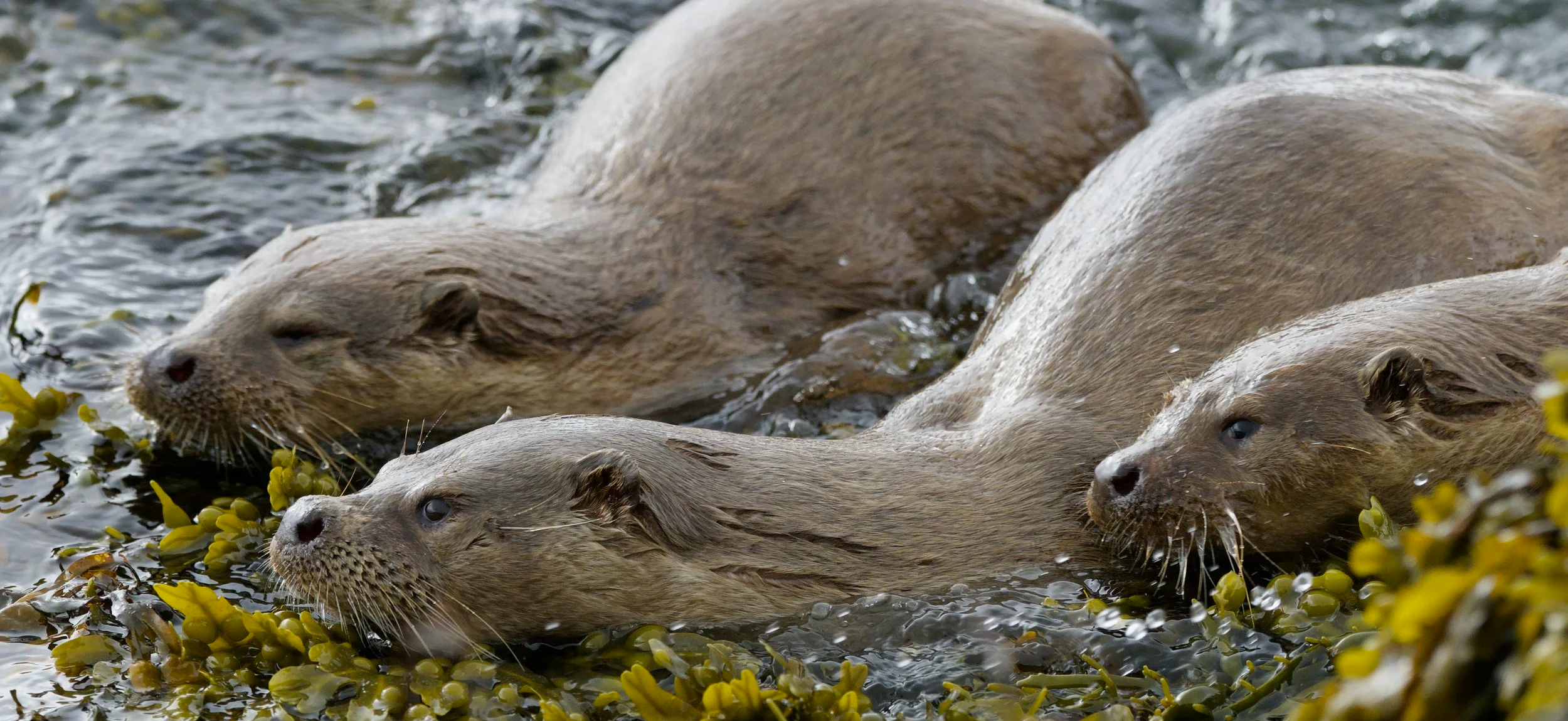
Wild Scotland Conservation Cruise
Unexplored Islands and Wildlife
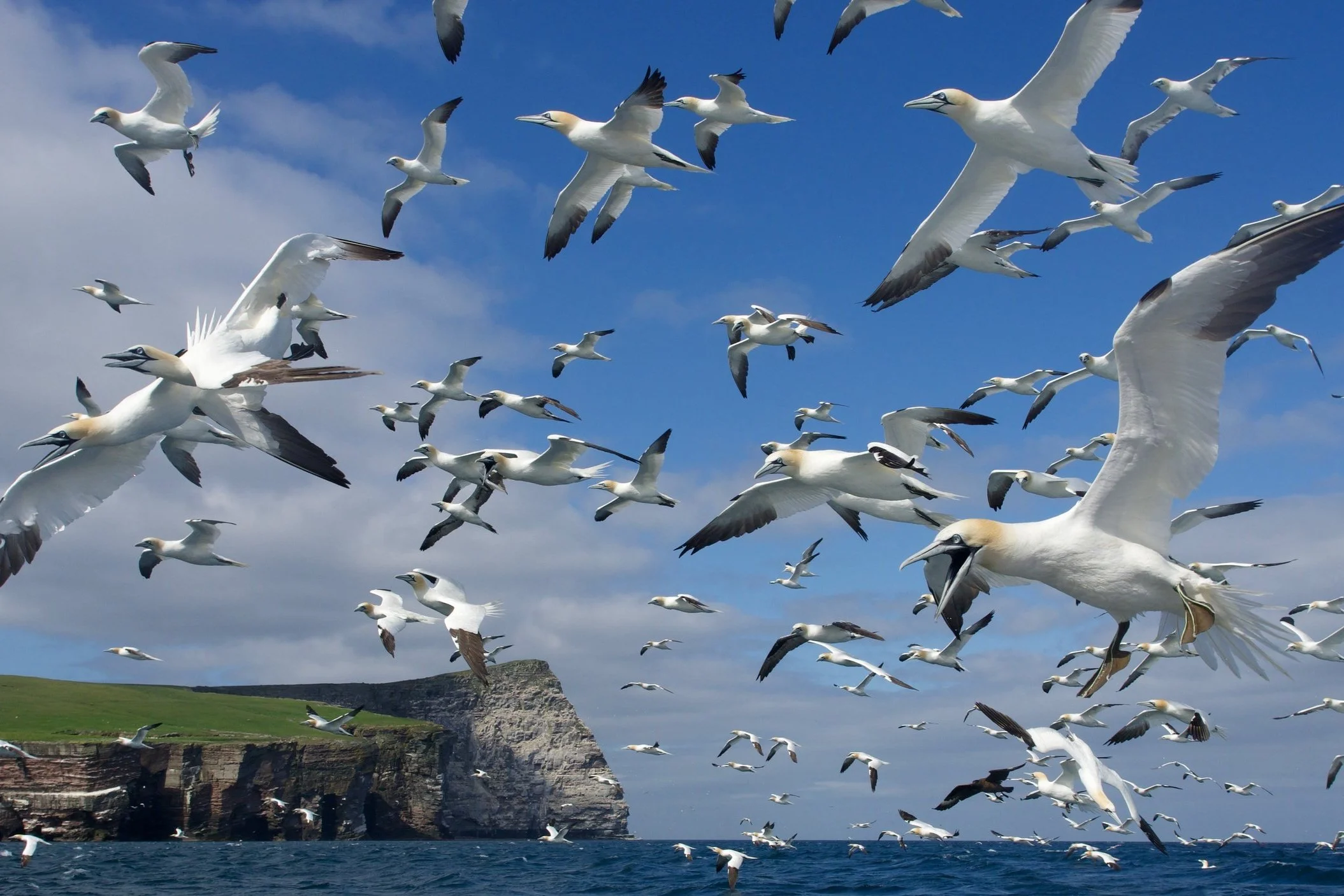
Spectacular Shetland Wildlife
The ultimate UK wildlife experience!
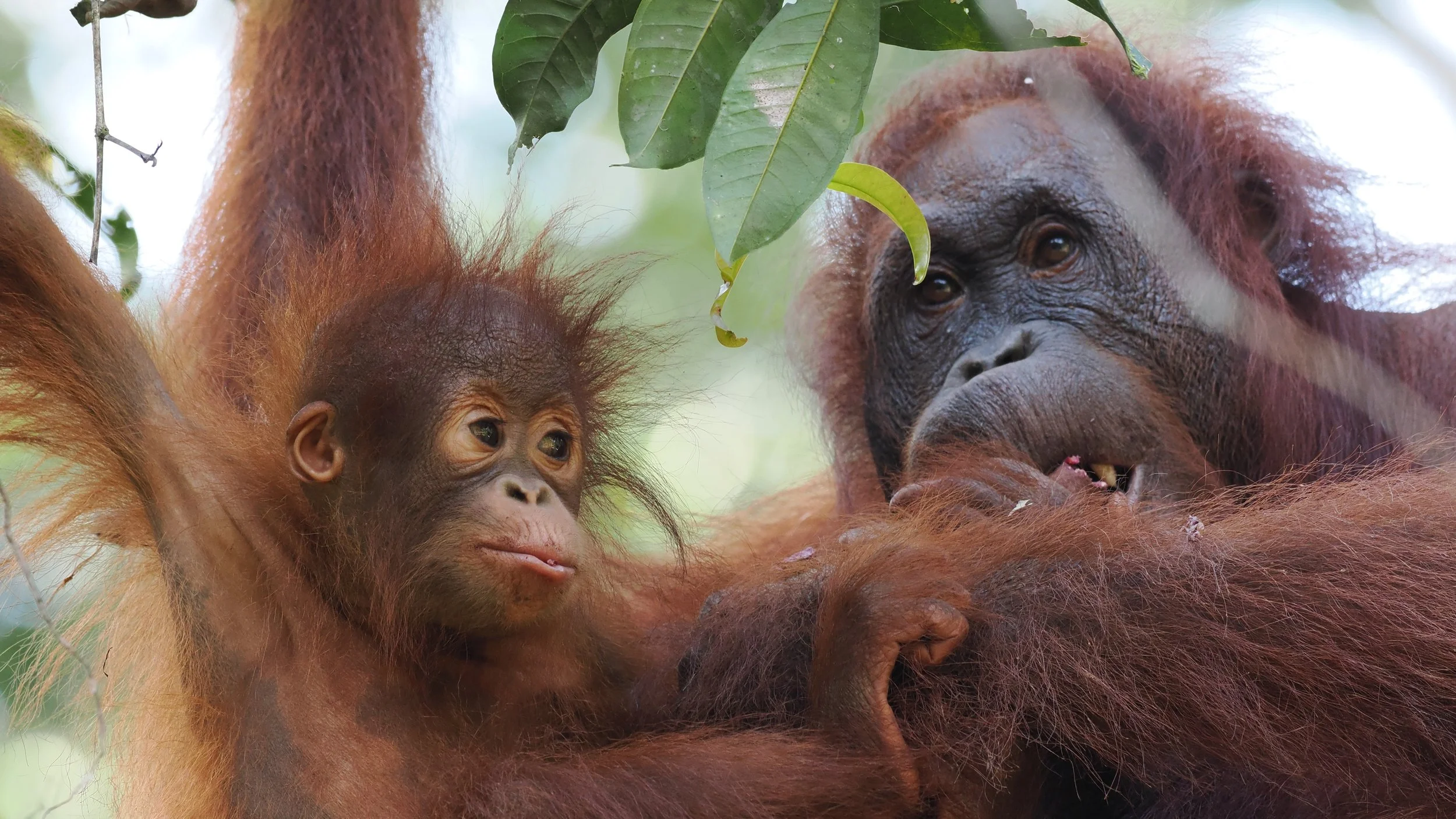
Borneo’s Wildlife
Sabah Rainforest Adventure